

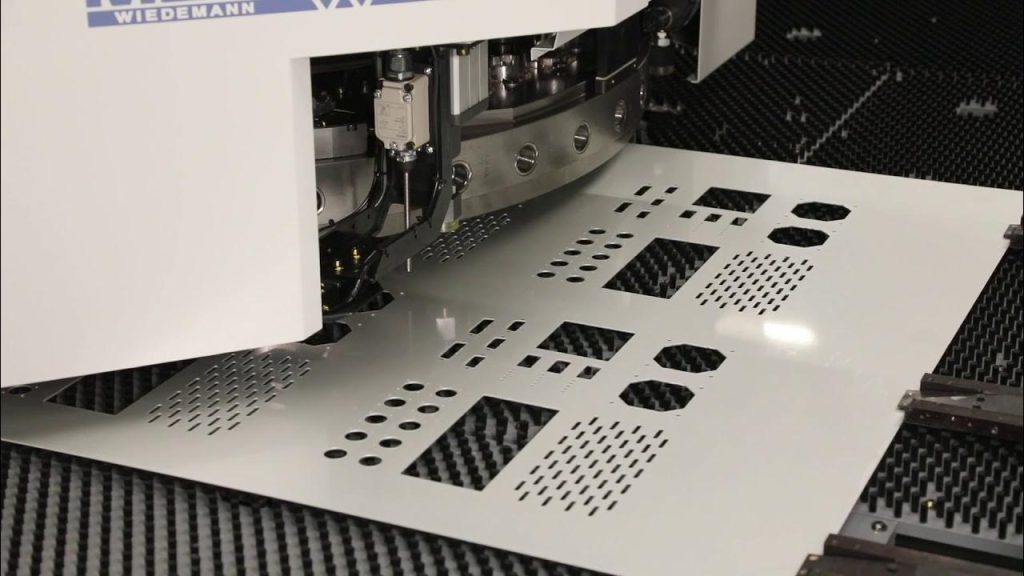
In today’s manufacturing industry, efficiency, precision, and consistency are more critical than ever. Power punch machines, long valued for their ability to cut, shape, and form metal sheets, have undergone significant technological advancements to meet these demands. Modern machines incorporate automation, digital controls, and intelligent systems to enhance productivity, reduce human error, and optimize operations. Understanding the role of automation and technology in these machines highlights their importance in contemporary industrial processes.
Integration of Automated Systems
One of the most significant advancements in modern power punch machines is the integration of automated systems. Automated feeding, material handling, and die-changing mechanisms reduce the need for manual intervention, allowing continuous and high-speed production. Automated systems can handle repetitive tasks more efficiently than manual labor, reducing cycle times and improving throughput. Many Power Punch Machine operations now include robotic feeders that position metal sheets accurately, ensuring precise punching and minimizing material waste. Automation also improves safety by reducing operator exposure to moving components and potential hazards.
Computerized Controls and CNC Technology
Modern power punch machines often feature computer numerical control (CNC) systems, allowing operators to program complex punching patterns with high accuracy. CNC technology ensures that each cycle is consistent, which is particularly important for industries requiring tight tolerances. Operators can store multiple programs for different production runs, reducing setup time and allowing quick transitions between products. Digital controls also allow real-time monitoring of performance parameters, such as punch force, speed, and cycle count, enabling manufacturers to optimize production and prevent equipment overloading.
Smart Sensors and Real-Time Monitoring
The integration of smart sensors has further enhanced the functionality of modern power punch machines. Sensors can monitor various operational parameters, including pressure, vibration, alignment, and material thickness. Real-time data from these sensors allows operators and automated systems to adjust operations on the fly, ensuring consistent quality and preventing potential damage to the machine. Predictive maintenance is also possible through sensor monitoring, identifying wear or stress on components before failure occurs. This reduces downtime, lowers repair costs, and extends the machine’s lifespan.
Adaptive and Servo-Driven Systems
Servo-driven systems are becoming increasingly common in advanced power punch machines. These systems use electric servo motors to control punch speed, position, and force with precision. Unlike traditional hydraulic or mechanical drives, servo systems offer greater adaptability, allowing the machine to adjust for varying material thicknesses and complex punching patterns. Adaptive controls optimize energy usage by providing the exact force needed for each operation, enhancing efficiency and reducing wear on components. This combination of precision, efficiency, and flexibility makes servo-driven machines ideal for high-performance applications.
Connectivity and Industry 4.0 Integration
Modern power punch machines are also being designed to integrate seamlessly with Industry 4.0 initiatives. Connectivity features enable machines to communicate with factory networks, providing data on production output, machine health, and maintenance schedules. This interconnected approach allows manufacturers to analyze performance trends, optimize production lines, and implement predictive maintenance strategies. Integration with enterprise resource planning (ERP) systems ensures better workflow management, inventory tracking, and supply chain coordination.
Enhanced Safety Features
Technological advancements have also improved safety in modern power punch machines. Automated light curtains, safety interlocks, and emergency stop systems minimize the risk of operator injury. Sensors and monitoring systems can detect anomalies or misalignments, stopping the machine before accidents occur. These safety technologies, combined with reduced manual handling due to automation, create a safer working environment while maintaining high production efficiency.
Reduced Waste and Energy Efficiency
Automation and advanced controls in modern power punch machines contribute to material and energy efficiency. Optimized punching sequences reduce scrap by accurately positioning each cut on the sheet metal. Energy-efficient drives, regenerative systems, and intelligent control of force output reduce electricity consumption without compromising performance. This not only lowers operational costs but also supports sustainable manufacturing practices.
Future Trends in Automation
The future of power punch machines will likely involve even greater levels of intelligence and integration. Artificial intelligence (AI) and machine learning could allow machines to predict and correct errors in real-time, improving accuracy and reducing downtime. Further integration with robotics and smart factory systems will enable fully automated, high-speed production lines capable of adapting to varying product designs and volumes. These innovations will continue to enhance productivity, reliability, and flexibility in industrial manufacturing.
Conclusion
Automation and technology have transformed the capabilities of Power Punch Machine operations. From automated feeding and CNC controls to smart sensors, servo-driven systems, and Industry 4.0 integration, modern machines deliver greater efficiency, precision, and safety. These advancements allow manufacturers to reduce production time, minimize waste, and improve product quality while maintaining consistent performance. As technology continues to evolve, power punch machines will remain at the forefront of efficient, intelligent, and adaptable manufacturing solutions.
About Post Author




More Stories
Wudu Basin Installation: Important Measurements and Plumbing Considerations
Enjoy Smooth, Creamy Coffee Creations with an Efficient Electric Milk Frother
China B87 Air Pick: Specifications, Heavy-Duty Applications, and Performance Advantages