

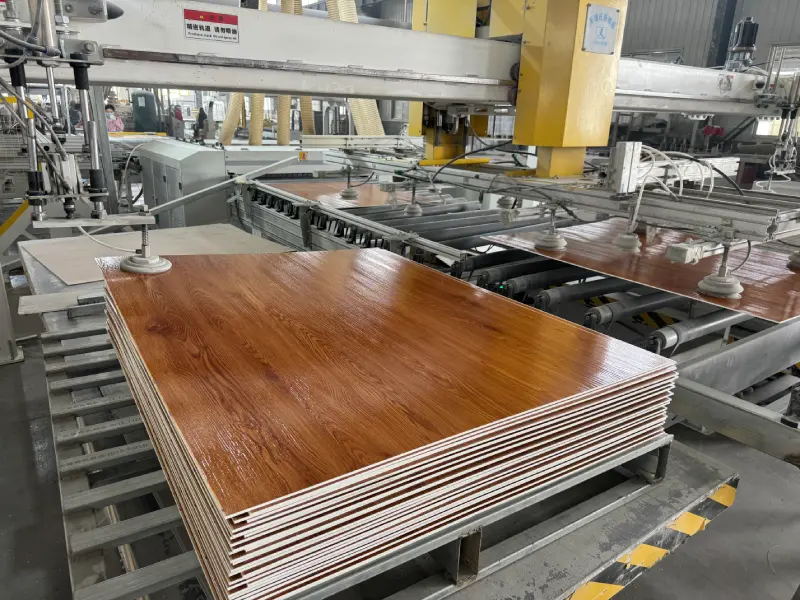
When planning a flooring purchase for a large property or distribution business, the quoted price per square metre is only the beginning of the calculation. The final budget may also include transport, packaging, installation materials, inspection, storage, and import-related expenses. Understanding how bulk pricing is structured helps buyers compare offers more accurately and avoid unexpected costs after an order is confirmed.
The SPC Flooring Bulk Price offered for a large order can depend on several variables, including product construction, quantity, customization, and delivery arrangements. Two quotations may look similar but describe products with different specifications or include different services. A careful comparison should therefore examine both the price and what the buyer receives in return.
What Determines the Price of SPC Flooring?
SPC flooring is not a single standardized product. Manufacturers produce different ranges with varying core formulations, dimensions, surface finishes, and protective layers.
These specifications influence material use, processing requirements, and the final selling price.
Wear-Layer Thickness
The wear layer is the transparent protective surface above the decorative film. Its thickness is an important specification when comparing products intended for different traffic levels.
A product with a thicker wear layer may cost more, but buyers should also review surface treatment, product testing, and application ratings. Thickness alone does not establish overall quality.
Total Thickness and Core Construction
Overall plank thickness can affect material consumption and manufacturing cost. Core composition and production methods also differ between products.
Ask for the complete construction details rather than comparing products only by total thickness.
Surface Finish and Design
Embossed textures, decorative patterns, registered surface designs, and specialized finishes may affect production costs.
Custom colours or private-label designs can introduce additional expenses, particularly when special printing, artwork approval, or minimum production quantities are involved.
Why Quantity Changes the Quotation
Bulk orders may qualify for volume-based pricing because larger purchases can improve production planning, packaging efficiency, and shipment utilization.
However, a discount is not guaranteed simply because an order is large. Minimum quantities, factory schedules, raw material costs, and the product range all influence the offer.
Buyers should request quotations at relevant quantity levels if they are comparing different purchasing scenarios. This can reveal whether a larger order creates a meaningful unit-price advantage.
It is equally important to avoid buying more flooring than the project or business can use. Excess stock ties up working capital and may create storage or inventory problems.
Calculate the Full Landed Cost
A cost-effective purchase should be evaluated using the total amount required to bring the flooring to its intended destination.
Depending on the transaction, additional expenses may include:
- Domestic transport from the factory or warehouse.
- Export packaging and palletization.
- Independent quality inspection.
- International freight and insurance.
- Customs duties and taxes.
- Port handling and destination charges.
- Local delivery and unloading.
- Warehouse storage.
The exact responsibilities depend on the agreed trade terms. Buyers should confirm which costs are included in the quotation and which are payable separately.
Compare Quotations on an Equal Basis
Before choosing a supplier, prepare a comparison using identical specifications.
Check that each quotation refers to the same plank dimensions, wear-layer thickness, core construction, surface finish, carton coverage, and order quantity.
Also confirm the currency, payment schedule, production lead time, packaging, and warranty conditions.
A lower quotation may reflect a different specification rather than a better commercial offer. Asking for samples and written technical details helps prevent this misunderstanding.
Don’t Overlook Installation and Wastage
The amount of flooring required is usually greater than the exact measured floor area because cutting and layout adjustments create waste.
The allowance depends on room shape, plank dimensions, installation direction, and the number of doorways or architectural features.
Ask the installer to calculate the quantity before placing a bulk order. Confirm carton coverage and rounding rules, since cartons are commonly sold in fixed quantities.
The subfloor may also require preparation, and transition strips or other accessories can add to the overall budget.
Negotiating a More Useful Bulk Deal
Price discussions are more productive when buyers understand their actual requirements.
Instead of asking only for the lowest unit price, discuss repeat-order arrangements, production scheduling, packaging options, sample charges, inspection, and delivery terms.
For ongoing purchasing, ask whether the supplier can maintain the approved specification across future orders and explain how price changes will be communicated.
Focus on Value Rather Than the Lowest Number
SPC flooring bulk pricing is influenced by construction, quantity, customization, and logistics. A well-priced order should provide the required product specification, dependable supply, and clear commercial responsibilities.
By comparing like-for-like quotations and calculating the full landed cost, buyers can make more informed decisions and manage project budgets with greater confidence.
About Post Author




More Stories
Exploring Color, Texture, and Finish Options in KKR Solid Surface Materials
How KingKonree Supports Architects and Designers with Custom Bathroom Solutions
How Solid Surface Manufacturers Maintain Consistency in Large-Volume Orders