

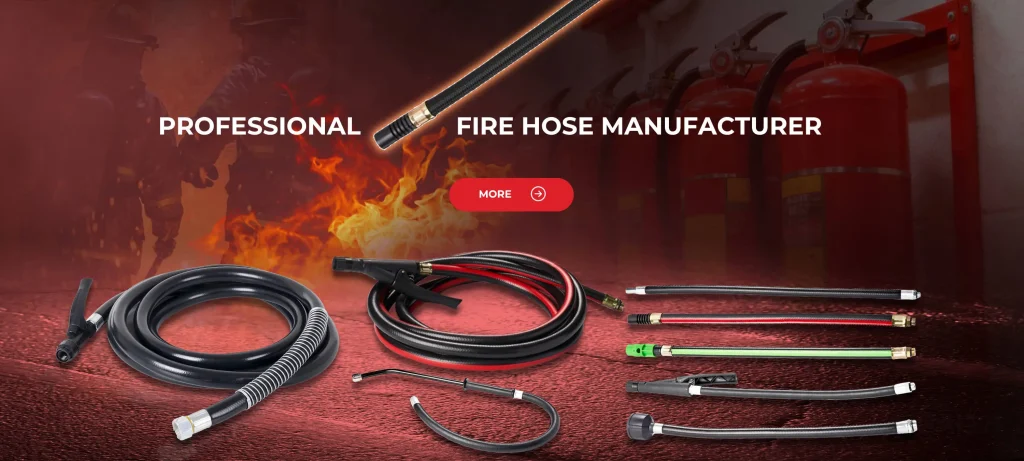
Water-based firefighting systems remain an important part of fire protection in commercial buildings, industrial facilities, warehouses, and emergency response operations. Their effectiveness depends on reliable equipment capable of delivering water quickly and safely to the affected area. Among the essential components, firefighting hoses provide the connection between water supplies, pumps, hydrants, and discharge nozzles.
A Water Fire Hose is specially designed to transport water under pressure for firefighting purposes. Its construction must provide sufficient strength, flexibility, and resistance to demanding operating conditions. Understanding hose materials, applications, and maintenance requirements helps organizations select suitable equipment and maintain dependable fire protection systems.
Understanding Water Fire Hoses
A water fire hose is a flexible tube used to deliver water from a firefighting source to a fire location. Depending on its design, it may connect to fire hydrants, pumps, hose reels, or emergency response equipment.
These hoses are manufactured in different diameters, lengths, and configurations to support various firefighting requirements. Some are designed for portable use, while others are installed as part of permanent building fire protection systems.
The correct selection depends on required water flow, operating pressure, installation conditions, and the type of firefighting equipment being used.
Construction and Materials of Water Fire Hoses
Hose construction directly influences durability, pressure resistance, and operational flexibility. Most firefighting hoses incorporate multiple layers or specialized materials to achieve the required performance.
1. Inner Lining
The inner lining provides a smooth passage for water movement. It is commonly manufactured using synthetic rubber or suitable polymer materials.
A properly designed lining helps reduce internal friction, maintain water flow, and resist deterioration caused by moisture and regular use.
2. Reinforcement Layer
Reinforcement provides the structural strength needed to withstand internal water pressure. Many firefighting hoses use woven polyester or other synthetic textile fibers.
The reinforcement helps maintain the hose’s shape during operation and reduces excessive expansion under pressure.
3. Outer Protective Cover
The outer cover protects the hose against abrasion, environmental exposure, and mechanical damage. Depending on the design, it may incorporate rubber, polyurethane, or other durable materials.
This layer is particularly important for hoses frequently deployed across concrete floors, outdoor surfaces, and industrial environments.
4. Couplings and Connections
Couplings connect the hose to hydrants, pumps, valves, and nozzles. They must match the equipment specifications and provide secure, leak-resistant connections.
Common connection arrangements include threaded couplings, Storz fittings, and other standardized designs.
Common Types of Water Fire Hoses
Different hose configurations serve specific firefighting functions.
Layflat hoses: These hoses collapse when empty, allowing convenient storage and transportation. They expand when water flows through them and are commonly used by fire departments and industrial emergency teams.
Fire hose reel hoses: These are generally semi-rigid hoses installed on reels in commercial buildings and industrial facilities. They allow users to deploy water without removing the entire hose assembly.
Suction hoses: These reinforced hoses are designed to draw water from tanks, reservoirs, and other sources. Their construction helps prevent collapse under vacuum conditions.
Delivery hoses: These transport pressurized water from pumps or hydrants to firefighting nozzles and other discharge equipment.
Applications of Water Fire Hoses
Water fire hoses are used in numerous environments where reliable firefighting equipment is necessary.
Commercial Buildings
Offices, hotels, shopping centers, and educational institutions commonly use hose reels and hydrant systems. These installations provide access to water for emergency response in designated areas.
Industrial Facilities
Factories, warehouses, and manufacturing plants require durable firefighting hoses capable of handling demanding conditions. Suitable equipment supports emergency water delivery around machinery, storage areas, and production facilities.
Municipal Firefighting
Fire departments use delivery and suction hoses to establish water supply connections during emergency operations. Reliable hose construction supports consistent water transportation from hydrants, pumps, and external water sources.
Construction Sites
Temporary fire protection arrangements at construction sites may include hoses connected to suitable water supplies. Their specifications depend on site conditions and applicable safety requirements.
Important Performance Requirements
Selecting a water fire hose requires evaluating several technical characteristics.
- Working pressure: The hose must meet the operating pressure requirements of the firefighting system.
- Burst resistance: Its construction should provide an appropriate safety margin against structural failure.
- Water flow capacity: Diameter and length should support the required discharge performance.
- Flexibility: The hose should be manageable during deployment without excessive kinking.
- Abrasion resistance: External materials should withstand normal handling and surface contact.
- Temperature resistance: The hose must remain suitable within its specified operating temperature range.
Relevant testing and certification requirements should also be checked before purchasing firefighting equipment.
Water Fire Hose Maintenance Guidelines
Regular inspection is essential for maintaining hose reliability. Before and after use, examine the hose for cuts, cracks, leaks, exposed reinforcement, and damaged couplings.
After firefighting operations, clean the hose according to manufacturer instructions and allow it to dry properly before storage. Avoid placing heavy objects on stored hoses or exposing them to excessive sunlight, chemicals, and sharp surfaces.
Periodic testing should follow applicable fire protection standards and manufacturer recommendations. Any hose showing significant damage should be removed from service until professionally assessed or replaced.
Conclusion
Water fire hoses are essential components of effective fire protection systems, providing a dependable pathway for transporting water during emergencies. Their performance depends on construction quality, reinforcement materials, pressure ratings, connection compatibility, and proper maintenance.
Understanding these factors helps facility managers and firefighting professionals select suitable equipment for different environments. With correct installation, regular inspection, and appropriate storage, water fire hoses can support reliable emergency response and improve overall fire safety preparedness.
About Post Author





More Stories
Why Thermal Receipt Printers Are Popular in Small and Medium-Sized Businesses
Cowboy Hat Plush Designs for Unique and Playful Fashion Looks
Exploring Color, Texture, and Finish Options in KKR Solid Surface Materials