

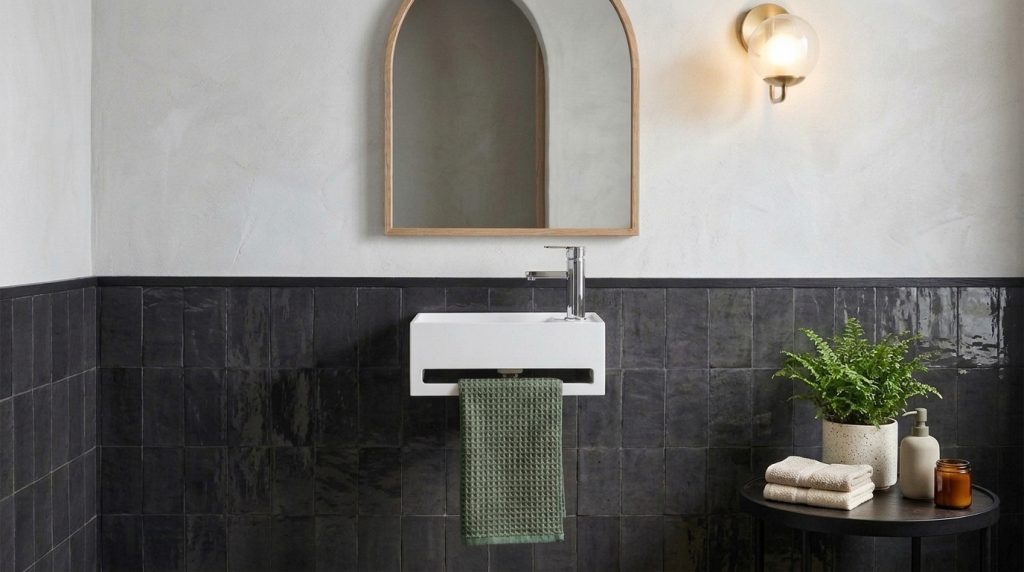
Commercial washrooms serve many people throughout the day. Unlike residential bathrooms, they face frequent use from employees, customers, visitors, and guests. Every fixture must support regular activity without creating maintenance problems or taking up unnecessary space. A washbasin may look like a simple fitting, yet its size, material, shape, and installation have a direct effect on how well the washroom functions.
A Small basin for toilet can be a practical choice for offices, restaurants, hotels, retail stores, and other commercial properties where floor space matters. Its compact size helps maintain clear movement around the washroom while providing a convenient place for handwashing. The right design also needs to handle repeated use, resist surface damage, and remain easy to clean.
Why Commercial Washrooms Need Compact Basins
Space planning is an important part of commercial washroom design. A large basin may take up room that could otherwise support a wider entrance, additional fixtures, or better movement between cubicles. Compact basins help property managers use the available area more efficiently.
This matters particularly in small office washrooms, restaurant facilities, and public toilets inside shopping centers. Several people may enter and leave within a short period. A basin that fits neatly against the wall keeps the main walking area clear and reduces the chance of crowding.
Compact dimensions also give designers more flexibility. They can position the basin near the entrance or beside other fixtures without making the entire room feel congested.
Features That Make a Small Basin Suitable for Commercial Use
A basin for a commercial setting needs more than a space-saving shape. Its construction and practical details must support frequent use and routine cleaning.
Durable Material That Handles Frequent Use
Commercial basins experience repeated contact with water, soap, cleaning products, and personal care items. Their surfaces must withstand daily use without losing their appearance too quickly.
Common material options include ceramic and solid surface. Ceramic offers a hard, smooth surface that resists ordinary staining and cleans easily. Solid surface provides more flexibility in shape and design. It also allows manufacturers to create contemporary forms with integrated details.
When comparing materials, property owners should consider:
- Resistance to scratches and everyday surface wear
- Ability to handle regular cleaning products
- Resistance to stains and water marks
- Surface texture and ease of maintenance
- Repair options and expected service life
The best material depends on the washroom’s traffic level and cleaning routine. A busy restaurant may need a different maintenance approach from a small office used by a limited number of employees.
A Shape That Prevents Water Splashing
Water splashing around the basin creates extra cleaning work. It can also leave wet patches on the countertop and floor. A suitable basin should have enough depth and a well-designed bowl shape to keep most water within the washing area.
The position of the faucet also matters. A tap that sends water directly against the drain or bowl wall may cause unnecessary splashing. The faucet outlet should match the basin’s depth and dimensions.
Curved inner walls and a properly positioned drain help guide water away from the washing area. These details make the basin more practical during busy periods.
Smooth Surfaces for Faster Cleaning
Commercial cleaning teams often work with fixed schedules. Fixtures that require detailed scrubbing increase the time needed to prepare a washroom for the next group of visitors.
A smooth, non-porous surface helps prevent dirt and soap residue from settling into small gaps. Simple basin shapes also reduce hard-to-reach areas around the bowl.
The surrounding installation deserves equal attention. Gaps between the basin and wall can collect moisture and grime. Proper sealing helps keep these areas cleaner and reduces the risk of water entering the wall structure.
Choosing the Right Basin Design for Different Commercial Properties
Not every commercial washroom has the same requirements. A basin that works well in a hotel guest toilet may not suit a busy public facility. The intended users and expected traffic should guide the selection.
Offices and Corporate Buildings
Office washrooms generally serve employees and occasional visitors. Their design needs to balance a professional appearance with everyday convenience.
Wall-mounted basins work well in many office settings because they leave the floor area open. Cleaning staff can reach the space underneath without moving around a pedestal. A compact rectangular or oval bowl can also complement a simple interior layout.
For shared employee facilities, property managers should check that the basin provides enough room for comfortable handwashing. A very shallow bowl may save space but create frequent splashing.
Restaurants and Cafes
Restaurants often have compact customer washrooms near dining areas. These spaces need fixtures that remain clean despite regular use.
A basin with a durable surface and straightforward shape makes routine cleaning easier. The faucet should also provide controlled water flow to limit splashing around the countertop.
Restaurant owners should consider the cleaning products used by their staff. Harsh chemicals may damage certain finishes over time, so the selected material must suit the actual maintenance routine.
Hotels and Guest Facilities
Hotel washrooms contribute to the overall guest experience. Even a small guest toilet needs to feel comfortable and well planned.
A compact basin can fit into a powder room or secondary bathroom without making the space feel crowded. The design should coordinate with the faucet, mirror, lighting, and wall finish.
Hotels with frequent guest turnover also benefit from fixtures that are easy to inspect and clean. A simple design helps housekeeping teams maintain a consistent appearance across rooms.
Shopping Centers and Public Buildings
Public washrooms may experience heavy use throughout the day. Their fixtures need to withstand frequent contact and regular cleaning.
In these settings, durability and accessibility deserve particular attention. Basin height, available knee space, faucet operation, and clearance around the fixture all affect how different visitors use the facility.
A compact design should never reduce comfort or make handwashing difficult. Property managers need to balance space savings with the needs of the people using the washroom.
Wall-Mounted or Countertop Basin for Commercial Washrooms?
The installation style affects cleaning access, storage, and the overall layout. Two common options are wall-mounted and countertop basins.
Wall-Mounted Basins
Wall-mounted models attach directly to a supporting wall. They work well in narrow washrooms where floor clearance is important.
Their main advantages include:
- Open floor space beneath the basin
- Easier access for floor cleaning
- Less dependence on a large vanity unit
- A simple appearance that suits modern interiors
However, the wall must support the basin and its expected load. Installers also need to plan the water supply and drainage connections before fixing the fixture in place.
Countertop Basins
Countertop basins sit on a vanity or worktop. They can create a more finished appearance and provide space underneath for storage.
This style may suit hotel washrooms, private office facilities, and commercial guest toilets where appearance matters alongside function. The counter also needs a suitable cutout and enough support for the basin.
The additional surface around the bowl requires regular cleaning. Water and soap can collect where the basin meets the countertop, so proper sealing and careful installation are essential.
Important Measurements Before Installation
Choosing a compact basin without checking the available space can lead to practical problems. The fixture may fit on the wall yet leave too little room for users to stand comfortably.
Before purchasing, measure the following:
- Available wall width: Check the space between corners, doors, partitions, and nearby fixtures.
- Basin projection: Measure how far the basin extends from the wall to protect the walking area.
- Installation height: Set a suitable height for the expected users and follow applicable accessibility requirements.
- Faucet clearance: Confirm that the tap fits the bowl and provides enough room for handwashing.
- Drain position: Match the basin outlet with the planned waste pipe.
- Door movement: Make sure the open door does not hit the basin or restrict access.
For public and accessible washrooms, consult local building codes and accessibility standards before finalizing dimensions. A compact fixture still needs to provide enough clearance for people with different mobility needs.
Plumbing and Maintenance Considerations
A commercial basin needs a reliable plumbing arrangement. Poor connections can lead to leaks, slow drainage, unpleasant odors, and repeated repair work.
The water supply should match the selected faucet. Installers need to position shutoff valves where maintenance staff can reach them without removing the basin. The waste outlet should connect to a suitable trap and drainage pipe.
Regular inspection also helps prevent small issues from becoming expensive repairs. Facility teams should check for loose faucet fittings, dripping connections, blocked drains, damaged seals, and surface cracks.
A practical maintenance routine includes:
- Clean the bowl with a suitable non-abrasive product.
- Remove soap residue and water marks from the faucet.
- Check the drain for hair and other debris.
- Inspect the plumbing connections for moisture.
- Examine the seal around the basin and repair gaps when necessary.
The maintenance team should follow the material manufacturer’s cleaning instructions. Strong acidic or abrasive products may affect certain finishes and shorten the fixture’s useful life.
Common Mistakes When Selecting Commercial Washroom Basins
A low purchase price does not always mean lower long-term costs. A poorly chosen basin may require frequent repairs or create additional cleaning work.
Some common mistakes include:
Choosing Size Without Considering User Comfort
A very small bowl may look suitable on a floor plan but prove difficult to use. Users need enough space to wash their hands without hitting the faucet or splashing water onto the floor.
Ignoring the Expected Traffic
A basin designed for occasional household use may not suit a public washroom with constant visitors. Consider the material, construction quality, and cleaning requirements before making a decision.
Overlooking Accessibility
A compact fixture should not block wheelchair access or create an uncomfortable approach. Commercial property owners need to check relevant accessibility requirements during the planning stage.
Selecting a Difficult-to-Clean Design
Decorative edges and complicated shapes may collect dirt around the bowl. Simple surfaces and accessible fittings usually make daily maintenance easier.
Forgetting Future Repairs
A basin with difficult-to-reach plumbing connections can increase maintenance time. Keep valves, traps, and other service points accessible wherever possible.
How to Balance Appearance, Cost, and Long-Term Value
Commercial washroom fixtures need to meet budget requirements without creating unnecessary operating costs. The initial price is only one part of the decision. Cleaning time, repair frequency, replacement costs, and water-related damage also affect the total expense.
A well-made basin from a supplier such as kingkonree may help property owners compare compact designs with different material and installation options. The selection process should focus on actual project requirements rather than appearance alone.
For a busy facility, a durable surface and easy maintenance may offer better value than a decorative design with more complicated cleaning needs. In a hotel or private office, visual consistency with the rest of the interior may carry greater importance.
The best choice brings these factors together. It should fit the available space, support comfortable handwashing, work with the plumbing system, and remain manageable for the cleaning team.
Final Thoughts
A suitable commercial washroom basin needs to do more than fit into a small area. It must withstand regular use, limit water splashing, support easy cleaning, and provide enough room for comfortable handwashing.
Material quality, bowl depth, installation style, plumbing access, and user clearance all influence its performance. By checking these details before purchasing, commercial property owners can choose a compact basin that supports daily operations and keeps the washroom practical for staff and visitors.
About Post Author




More Stories
Exploring Color, Texture, and Finish Options in KKR Solid Surface Materials
How KingKonree Supports Architects and Designers with Custom Bathroom Solutions
How Solid Surface Manufacturers Maintain Consistency in Large-Volume Orders