

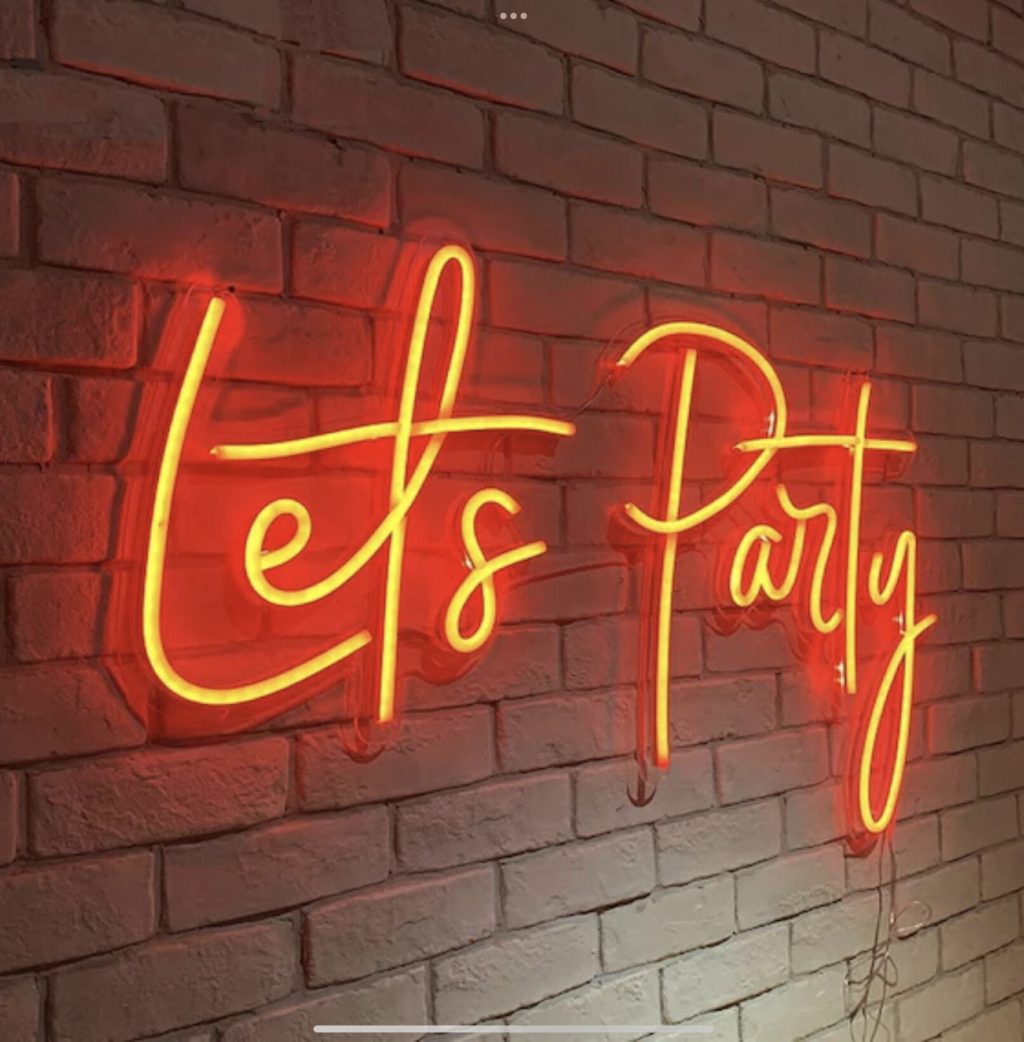
Choosing a manufacturer for custom LED neon signs involves more than comparing product prices. Businesses need a supplier that understands their requirements, delivers consistent product quality, communicates clearly, and provides dependable support throughout the ordering process. Whether the project involves storefront branding, office decoration, promotional displays, or large commercial installations, a reliable manufacturing partner can make a significant difference to the final result.
A professional supplier should combine technical knowledge with practical customer service. Experienced LED Neon Sign Manufacturers help businesses turn design ideas into finished lighting products by offering suitable materials, customization options, and production guidance. Evaluating the qualities of a manufacturer before placing an order can help buyers establish a productive relationship and avoid unnecessary complications.
1. Consistent Product Quality
Product quality is one of the most important characteristics of a reliable manufacturing partner. A well-made LED neon sign should have consistent illumination, properly assembled components, clean finishing, and a backing structure suitable for its intended use.
Manufacturers should pay attention to the quality of LED neon flex, acrylic materials, electrical connections, and mounting accessories. Consistent production standards help ensure that the finished sign matches the approved design and performs as expected.
Before choosing a supplier, buyers can request product specifications, photographs of completed projects, and information about quality inspection procedures.
2. Strong Customization Capabilities
Every business has different branding and display requirements. Some need simple illuminated lettering, while others require detailed logos, decorative graphics, or signs in unusual shapes and dimensions.
A reliable manufacturer should be able to discuss customization possibilities and explain any technical limitations before production begins. Important options may include:
- Custom fonts and lettering styles.
- Brand logos and graphic designs.
- Different sizes and backing shapes.
- Single-color and multicolor lighting.
- Adjustable brightness options.
- Indoor and outdoor configurations.
Flexible customization helps businesses create signage that reflects their identity rather than relying on standard designs.
3. Technical Knowledge and Manufacturing Experience
Manufacturing experience helps suppliers understand the practical challenges involved in producing custom LED neon signs. Different designs require different bending techniques, material choices, electrical arrangements, and mounting solutions.
A knowledgeable team can identify potential problems during the design stage and suggest suitable adjustments. For example, very small lettering or complicated curves may require modifications to maintain clarity and production quality.
Technical guidance is particularly useful for businesses ordering large signs or products intended for specialized commercial environments.
4. Clear Communication Throughout the Project
Good communication helps prevent misunderstandings between customers and manufacturers. From the first inquiry to final delivery, buyers should receive clear information about design specifications, production stages, costs, and expected timelines.
A dependable supplier should respond to questions, explain technical details in understandable language, and notify customers if changes are needed.
Clear communication is especially important for customized orders because even small differences in dimensions, colors, or lettering can affect the finished product.
5. A Structured Design Approval Process
Before manufacturing starts, customers should have an opportunity to review the proposed design. A digital proof or visual preview can help confirm that the sign matches the intended appearance.
The approval process should cover:
- Correct spelling and wording.
- Logo and graphic accuracy.
- Sign dimensions and proportions.
- Lighting colors and layout.
- Backing shape and mounting positions.
A manufacturer that confirms these details before production can reduce the risk of avoidable errors, delays, and additional expenses.
6. Reliable Production and Delivery Schedules
Businesses often need signage for store openings, promotional campaigns, exhibitions, or renovation projects. Delays can affect these activities, making production planning an important part of supplier reliability.
A professional manufacturer should provide a realistic production estimate and explain how order complexity or material availability may affect the schedule.
Delivery arrangements should also be discussed in advance. Buyers should confirm packaging methods, shipping options, tracking information, and any additional transportation charges.
7. Effective Quality Control Procedures
Reliable manufacturers do not depend only on the skills of individual workers. They use inspection procedures to maintain consistency and identify problems before products are shipped.
Quality control may involve checking lighting performance, electrical connections, material finishing, dimensions, and overall construction. Outdoor products may also require additional checks related to sealing and environmental protection.
Customers can ask what inspections are performed and whether the manufacturer provides product testing before dispatch.
8. Transparent Pricing and Detailed Quotations
A trustworthy business partner should provide clear pricing based on the actual requirements of the project. The quotation should explain what is included and identify any additional charges that may apply.
Factors affecting the price include:
- Sign size and design complexity.
- Material and component specifications.
- Lighting colors and special features.
- Indoor or outdoor construction.
- Order quantity.
- Packaging and shipping requirements.
Comparing detailed quotations makes it easier to understand differences between suppliers. A lower price should not automatically be considered better if important components or services are excluded.
9. After-Sales Support and Warranty Information
Customer support should continue after the sign has been delivered. Buyers may need assistance with installation questions, electrical connections, maintenance, or product-related issues.
A reliable manufacturer should explain its warranty terms and provide clear information about how customers can report defects or request assistance.
Before ordering, businesses should confirm what the warranty covers, how long it lasts, and whether specific conditions apply. Clear after-sales arrangements provide greater confidence when purchasing customized products.
10. Ability to Handle Different Order Requirements
Business signage projects can vary considerably in size and complexity. A small company may need one custom logo sign, while a retail chain may require matching displays for several locations.
A capable manufacturing partner should be able to discuss production requirements for different order volumes and explain how design consistency will be maintained.
For repeat orders, keeping approved artwork, dimensions, colors, and material specifications can make future production easier. This is especially valuable for businesses expanding their locations or updating their signage over time.
11. Commitment to Long-Term Business Relationships
A reliable supplier focuses on more than completing a single transaction. Understanding a customer’s brand guidelines, preferred materials, and recurring requirements can make future projects more efficient.
Long-term cooperation may help businesses maintain consistent signage across different branches, plan replacement orders, and introduce updated designs when needed.
Manufacturers that communicate openly, maintain product standards, and provide dependable support are better positioned to build lasting professional relationships.
Conclusion
A professional LED neon sign manufacturer becomes a reliable business partner through consistent product quality, customization expertise, technical knowledge, transparent pricing, and effective customer support. Clear communication, organized production, and dependable delivery arrangements are equally important when managing custom signage projects.
Businesses should evaluate these qualities before choosing a supplier rather than focusing exclusively on price. A manufacturer that understands project requirements and maintains consistent standards can help customers create attractive, functional signage while making the purchasing and production process more predictable.
About Post Author



More Stories
How to Identify High-Quality Tissue Culture Plants Before Purchasing
Understanding Acoustic Panel Specifications Before Placing a Bulk Order
How an LED Sign Supplier Can Help Improve Your Brand’s Visual Presence