

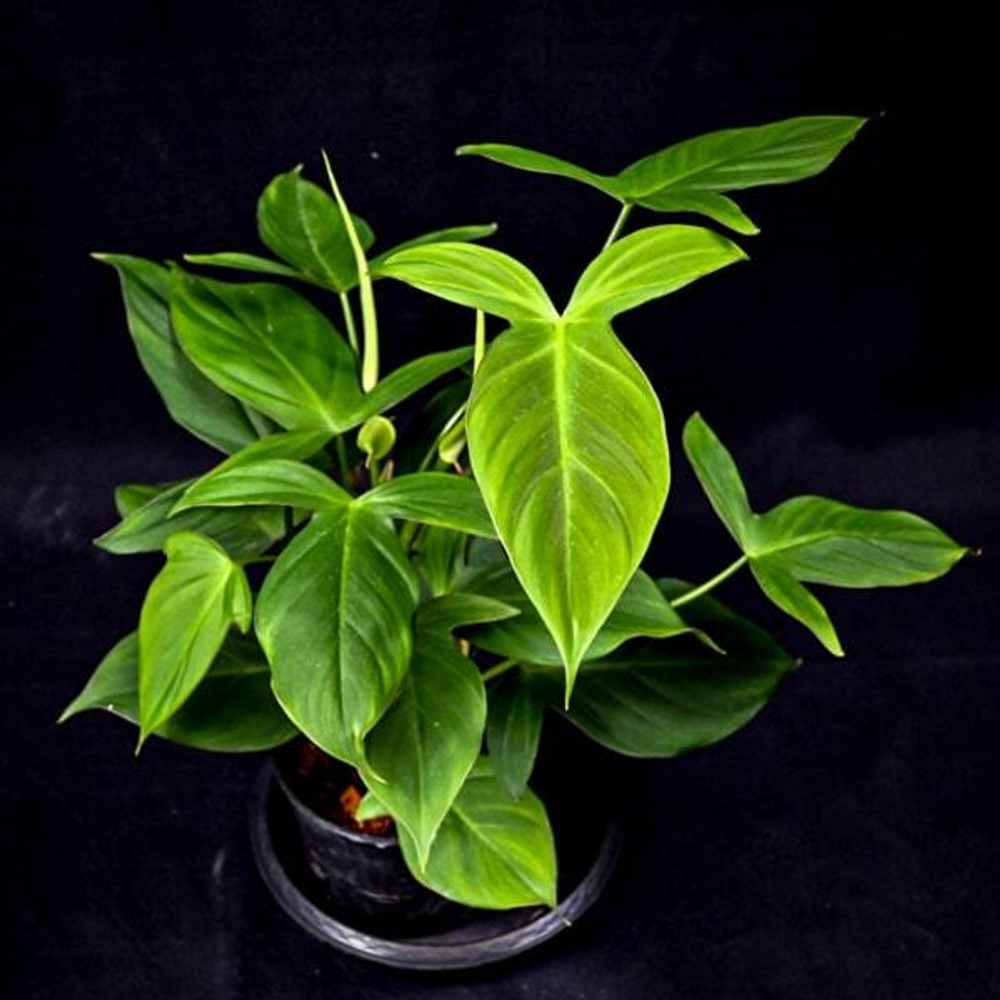
Philodendrons have become an important part of the tropical ornamental plant market. Their diverse foliage, attractive colors, and different growth habits make them suitable for indoor plant retailers, garden centers, landscaping businesses, and specialty plant collections. As customer demand for tropical greenery continues to create opportunities, commercial nurseries need propagation methods that support reliable supply, product diversity, and efficient production.
Tissue Culture Philodendron has become a popular option for commercial growers because micropropagation can multiply selected plant varieties under controlled laboratory conditions. This approach offers potential advantages in production scale, variety availability, and starting material consistency. When combined with proper acclimatization and nursery management, tissue culture can help businesses develop a more organized and competitive Philodendron product range.
1. Efficient Propagation for Larger Production Volumes
One of the main reasons commercial nurseries consider tissue culture is its potential to produce large quantities of young plants. Traditional propagation methods, such as stem cuttings, depend on available mother plants and may require considerable time to generate sufficient planting material.
Micropropagation uses small sections of plant tissue to develop multiple plantlets in a controlled environment. Depending on the variety and laboratory protocol, this method can help suppliers increase production without relying entirely on large collections of mature plants.
For commercial nurseries, this can support:
- Larger planting material orders.
- More organized production schedules.
- Expansion into additional Philodendron varieties.
- Better planning for seasonal demand.
- A more scalable supply arrangement.
Actual output depends on laboratory capacity, plant genetics, and production conditions. Buyers should discuss order quantities and lead times with suppliers before making commercial commitments.
2. Access to a Wider Range of Philodendron Varieties
Philodendrons include many species and cultivars with different foliage characteristics. Some are familiar choices for general indoor plant customers, while others attract collectors because of unusual leaf shapes, textures, or variegation.
Tissue culture suppliers can offer selected varieties that help nurseries develop a more diverse product catalog. Popular examples include:
- Philodendron Birkin: Known for dark green leaves with contrasting pale patterns.
- Philodendron Pink Princess: Valued for its distinctive pink and green variegation.
- Philodendron gloriosum: Recognized for large, velvety, heart-shaped leaves.
- Philodendron melanochrysum: Appreciated for elongated foliage with a velvety texture.
- Philodendron micans: Popular for soft-textured leaves with subtle bronze and green tones.
- Philodendron hederaceum: A versatile trailing variety suitable for many indoor settings.
Offering different types allows nurseries to serve both general retail customers and specialist plant collectors. It also creates opportunities to introduce new varieties as market preferences change.
3. Supporting More Consistent Plant Quality
Consistency matters when nurseries supply retailers or fulfill large wholesale orders. Buyers generally expect plants to match their stated variety and meet reasonable quality standards.
Tissue culture propagation can support uniform production when laboratories use carefully selected source material and standardized protocols. This can make it easier to produce batches with similar characteristics and organize nursery inventory.
However, tissue culture does not guarantee that every plant will be identical. Genetic stability, cultivar characteristics, laboratory techniques, and environmental conditions all influence the final results.
Commercial buyers should evaluate plant samples, verify cultivar identification, and ask suppliers about quality control procedures. This is particularly important for variegated Philodendrons, where leaf patterns can vary between plants.
4. Helping Nurseries Manage Inventory and Production
Commercial nurseries must balance plant availability with growing space, labor, and customer demand. Ordering too many plants can increase maintenance costs, while insufficient inventory may lead to missed sales.
Tissue culture plants are often supplied at an early growth stage, allowing nurseries to plan further cultivation before retail or wholesale sale. This can create flexibility in production scheduling when delivery dates and acclimatization requirements are understood.
A practical inventory strategy includes:
- Identifying the Philodendron varieties with the strongest customer demand.
- Estimating the quantities needed for upcoming sales periods.
- Checking supplier availability and lead times.
- Allocating space for acclimatization and further growth.
- Tracking plant survival and development.
- Adjusting future orders according to sales performance.
These practices help businesses coordinate purchasing with actual production capacity.
5. Reducing Dependence on Traditional Propagation Methods
Traditional propagation remains useful for many Philodendron varieties, but it can have limitations when businesses need to increase output or expand their selection quickly.
Stem cuttings require suitable mother plants and enough healthy material for repeated harvesting. The time needed for rooting and establishment can also vary depending on the variety and growing conditions.
Tissue culture provides an additional propagation option. It can help suppliers multiply selected plant material in a controlled environment and provide nurseries with young plants for further cultivation.
Using tissue culture alongside conventional propagation can give businesses greater flexibility. Nurseries can choose the method that best suits each variety, production target, and available resource.
6. Supporting the Commercial Demand for Specialty Plants
The indoor plant market includes customers with different interests. Some prefer familiar, easy-to-maintain foliage plants, while others actively seek unusual cultivars and collector-oriented varieties.
Philodendrons can serve both groups because the genus includes a broad range of appearances and growth habits.
Commercial nurseries can use this diversity to develop different product categories:
- Entry-level plants: Familiar varieties suitable for beginner plant owners.
- Decorative foliage plants: Attractive selections for homes, offices, and commercial interiors.
- Collector varieties: Distinctive cultivars with unusual leaf characteristics.
- Wholesale selections: Popular plants suitable for larger retail orders.
- Specialty collections: Varieties selected around particular colors, textures, or growth habits.
A diverse product range can help nurseries attract new customers and encourage repeat purchases.
7. Making Better Use of Nursery Space
Space management is a major consideration for commercial growers. Different Philodendron varieties have different growth habits, and their cultivation requirements may change as they mature.
Tissue culture plantlets are generally small when first supplied, making it possible to organize them in dedicated propagation areas before transferring them to larger growing spaces.
Nurseries can divide production areas into stages:
Acclimatization: Newly received plantlets are introduced gradually to greenhouse conditions.
Early development: Established plantlets receive suitable light, moisture, and nutrition to support root and leaf growth.
Growing stage: Plants are moved into appropriate containers as their size and root systems develop.
Finishing stage: Mature plants are prepared for wholesale or retail distribution.
Organizing plants by development stage helps staff manage care requirements and allocate growing space more efficiently.
8. Improving Plant Health Management
Plant health has a direct effect on nursery productivity and profitability. Diseases, pests, and poor growing conditions can reduce the number of plants that reach saleable size.
Tissue culture production takes place under controlled laboratory conditions and uses sanitation procedures intended to reduce contamination. Starting with suitable source material and maintaining clean production practices can support healthy propagation.
However, tissue culture plants are not automatically guaranteed to be pathogen-free. Problems may arise during laboratory production, handling, transportation, or nursery cultivation.
Commercial nurseries should establish practical health management procedures, including:
- Inspecting incoming shipments.
- Separating new plants when appropriate.
- Cleaning tools and growing surfaces.
- Maintaining suitable airflow.
- Avoiding waterlogged growing media.
- Monitoring plants for pests and disease symptoms.
- Removing unhealthy plant material when necessary.
These measures help protect both newly received plants and established nursery stock.
9. Supporting More Predictable Wholesale Supply
Retailers and commercial buyers often need suppliers who can provide suitable quantities of plants according to agreed schedules. Unreliable availability can make it difficult to fulfill customer orders and maintain a consistent product catalog.
Tissue culture can support larger-scale production planning when suppliers have suitable laboratory facilities and established propagation schedules.
For nurseries, this can make it easier to plan future inventory and coordinate growing cycles with anticipated sales.
Before placing an order, buyers should confirm:
- Available Philodendron varieties.
- Expected production quantities.
- Plantlet size and growth stage.
- Estimated delivery schedules.
- Packaging and transportation methods.
- Minimum order quantities.
- Relevant shipping and plant health documentation.
Clear communication helps both parties manage expectations and avoid unnecessary production disruptions.
10. Creating Opportunities for Business Expansion
Adding tissue culture Philodendrons to a commercial nursery’s product range can create opportunities to reach new customer groups and explore additional sales channels.
A nursery that previously focused on common foliage plants may use specialty Philodendrons to attract collectors. Another business may expand its wholesale offerings to garden centers, online retailers, or commercial interior plant suppliers.
Successful expansion requires more than purchasing additional varieties. Businesses should also evaluate cultivation costs, growing space, labor requirements, and expected customer demand.
A sensible approach is to begin with a manageable selection, monitor plant performance and sales, and increase order quantities as the market becomes clearer.
11. Choosing a Reliable Tissue Culture Supplier
The quality of the supplier plays an important role in commercial success. Even a promising propagation method cannot compensate for inaccurate variety identification, poor plant condition, or unreliable shipping arrangements.
Before choosing a supplier, nurseries should evaluate several factors.
Product selection: Does the supplier offer varieties that match the nursery’s target market?
Plant condition: Are plantlets healthy, properly rooted, and suitable for the stated growth stage?
Quality control: Can the supplier explain its laboratory hygiene and production procedures?
Order capacity: Can it support the nursery’s current and anticipated requirements?
Packaging: Are plants protected appropriately during transportation?
Communication: Does the supplier provide clear information about availability, pricing, and delivery?
Documentation: Can the supplier provide relevant documents for domestic or international plant shipments?
A small trial order can help nurseries assess plant quality, acclimatization performance, and supplier reliability before committing to larger purchases.
12. The Importance of Proper Acclimatization
Receiving tissue culture plants is only the beginning of the production process. Young plantlets need time to adapt from laboratory conditions to greenhouse or nursery environments.
They may initially be sensitive to lower humidity, stronger light, and greater airflow. If exposed to these changes too quickly, they can experience wilting, leaf damage, or slow establishment.
A successful acclimatization process generally involves transferring plantlets into a suitable growing medium, maintaining relatively high humidity during early recovery, and gradually increasing ventilation and light exposure.
Growers should also monitor watering, root development, and new leaf growth. Fertilizer should be introduced carefully once plants are established and actively developing.
Good acclimatization practices help nurseries protect their investment and prepare young plants for continued commercial cultivation.
Conclusion
Tissue culture Philodendron plants are a popular choice for commercial nurseries because they offer opportunities for scalable propagation, wider variety selection, and more organized production planning. They can help growers develop diverse product ranges while supporting wholesale supply and specialty plant markets.
However, commercial success depends on more than propagation technology. Supplier reliability, plant quality, acclimatization, inventory management, and suitable growing conditions all contribute to strong results. By combining quality tissue culture material with effective nursery practices, businesses can build a more competitive Philodendron collection and support long-term growth.
About Post Author




More Stories
Understanding the Artistic Techniques Behind Realistic Figurative Oil Painting
Understanding the Different Types of Case Erecting Machine Technology
Understanding the Materials and Techniques Used in Custom Oil Paintings