

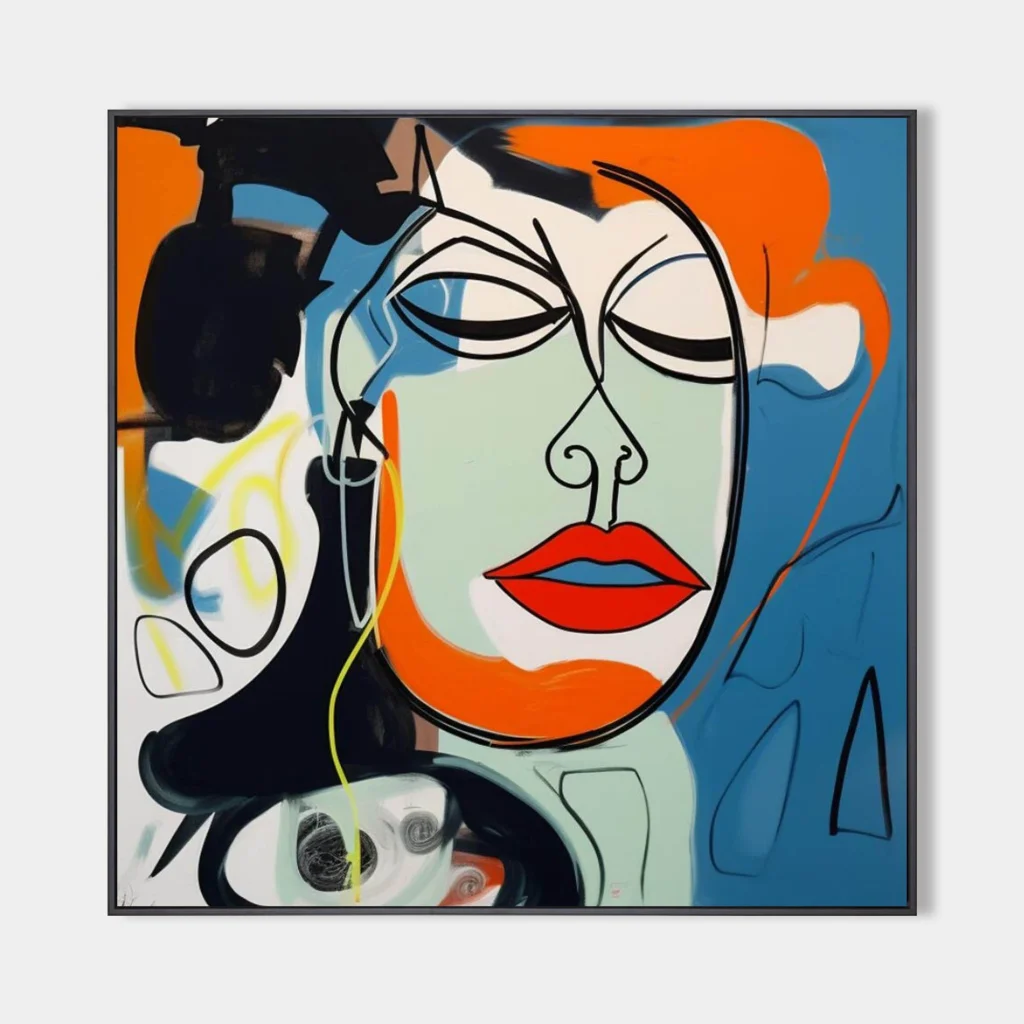
Realistic figurative oil painting is an artistic discipline that combines technical precision, creative expression, and a deep understanding of human anatomy. Artists working in this style aim to portray the human figure with convincing proportions, natural gestures, and lifelike details. Achieving realism requires more than simply copying what the eye sees; it involves carefully observing light, shadow, texture, and the subtle characteristics that give each subject an individual presence.
The appeal of Figurative Oil Painting lies in its ability to bring human experiences and emotions to life through traditional painting techniques. From expressive portraits to carefully composed full-body scenes, artists use oil paints to create depth, atmosphere, and visual harmony. Their methods combine classical artistic principles with personal interpretation, resulting in artwork that feels both authentic and emotionally engaging.
The Importance of Accurate Human Anatomy
A strong understanding of human anatomy is fundamental to realistic figurative painting. Artists study the structure of bones, muscles, and joints to understand how the body moves and how different forms relate to one another. This knowledge helps them represent natural posture, balanced proportions, and believable gestures.
Anatomical accuracy also allows painters to move beyond rigid outlines. By recognizing how muscles stretch, contract, and overlap, they can create figures that appear relaxed, dynamic, or expressive. Even small adjustments to the position of a shoulder, hand, or head can significantly influence the overall impression of a composition.
Mastering Light and Shadow
Light and shadow play a major role in creating realistic human forms. Instead of treating the figure as a flat shape, artists use changes in brightness and darkness to communicate volume and dimension. This approach, often associated with chiaroscuro, helps distinguish illuminated areas from recessed or shadowed surfaces.
Painters carefully observe how natural or artificial light interacts with the body. Highlights may emphasize the forehead, cheekbones, shoulders, or hands, while softer shadows define contours and transitions. Controlling these tonal relationships makes the figure appear more three-dimensional and visually convincing.
Building Depth Through Layering and Glazing
Oil paint is particularly suitable for realistic artwork because it dries slowly and can be manipulated over extended periods. This characteristic allows artists to refine details, blend colors, and develop complex surfaces through multiple layers.
Many painters begin with an underpainting that establishes the composition, basic values, and major shapes. Once this foundation is established, additional layers gradually introduce color, texture, and detail. Glazing is another valuable technique, involving thin, transparent layers of paint applied over dry sections to enrich color and create subtle depth.
These methods require patience and careful planning, but they help produce the rich tonal effects associated with traditional oil painting.
Understanding Color and Skin Tones
Creating believable skin tones is one of the most challenging aspects of figurative art. Human skin is not a single uniform color; it contains subtle variations influenced by lighting, surrounding colors, temperature, and individual characteristics.
Artists often combine warm and cool pigments to achieve natural-looking complexions. Reds, yellows, browns, and muted blues can work together to reproduce the delicate color variations found across the face and body. Rather than relying on a single mixture, skilled painters adjust their palette according to the subject and lighting conditions.
Color temperature also contributes to realism. Warm highlights and cooler shadows can help establish form, while carefully balanced transitions prevent the skin from appearing artificial or overly flat.
Brushwork and Surface Texture
Brushwork influences both the appearance and character of a figurative painting. Some artists prefer smooth, blended surfaces that minimize visible brush marks, while others use controlled strokes to preserve the physical quality of the paint.
Different brush sizes and shapes serve different purposes. Broad brushes help establish large areas of color and form, while smaller brushes are useful for refining facial features, hair, and delicate details. Palette knives may also be used to create distinctive textures or apply thicker layers of paint.
The most effective approach depends on the intended result. Realism does not always require an entirely smooth surface; thoughtful brushwork can add personality while maintaining convincing representation.
Capturing Facial Expressions and Human Emotion
Technical accuracy alone cannot make a figurative painting compelling. Facial expressions, body language, and subtle gestures contribute significantly to the emotional impact of the artwork.
Artists pay close attention to the eyes, mouth, and positioning of the head because small variations in these features can communicate a wide range of feelings. The angle of a hand, the curve of a back, or the direction of a subject’s gaze can also suggest movement, personality, and mood.
By combining observational skill with artistic sensitivity, painters create figures that communicate more than physical appearance. Their compositions can suggest personal stories, relationships, memories, and universal human experiences.
Composition and the Arrangement of Figures
Composition determines how the viewer experiences a figurative painting. Artists consider the placement, scale, direction, and relationship of figures within the picture plane to establish visual balance and guide attention.
Traditional techniques such as the rule of thirds, leading lines, and carefully arranged focal points can help create harmonious compositions. Negative space is equally important because it prevents the subject from feeling crowded and gives the surrounding elements room to contribute to the overall design.
Backgrounds also influence the final result. A simple setting may draw attention directly to the figure, while a detailed environment can provide context and strengthen the narrative.
The Value of Observation and Practice
Realistic figurative oil painting develops through consistent observation and experimentation. Artists often work from live models, photographs, sketches, or a combination of references to understand proportions, lighting, and movement.
Preliminary drawings are useful for identifying compositional problems before paint is applied. Regular studies of hands, faces, and different body positions also help improve accuracy over time. Reviewing finished work allows painters to recognize weaknesses and refine their techniques in future projects.
Patience is particularly important because oil painting involves several stages of development. Allowing layers to dry appropriately and making adjustments gradually can lead to more controlled and polished results.
Conclusion
Realistic figurative oil painting brings together anatomy, color theory, lighting, brushwork, composition, and emotional expression. Each technique contributes to the creation of convincing human forms while allowing artists to communicate their individual perspectives. Through careful observation and continued practice, painters transform traditional materials into expressive works that celebrate the complexity of human life.
Whether appreciated for its technical mastery or emotional depth, this artistic style remains an enduring part of contemporary visual culture. Its ability to combine lifelike representation with personal storytelling makes figurative oil painting a distinctive and meaningful form of artistic expression.
About Post Author



More Stories
Understanding the Different Types of Case Erecting Machine Technology
Understanding the Materials and Techniques Used in Custom Oil Paintings
A Complete Guide to Polyester Printing Mesh for High-Quality Textile and Screen Printing