

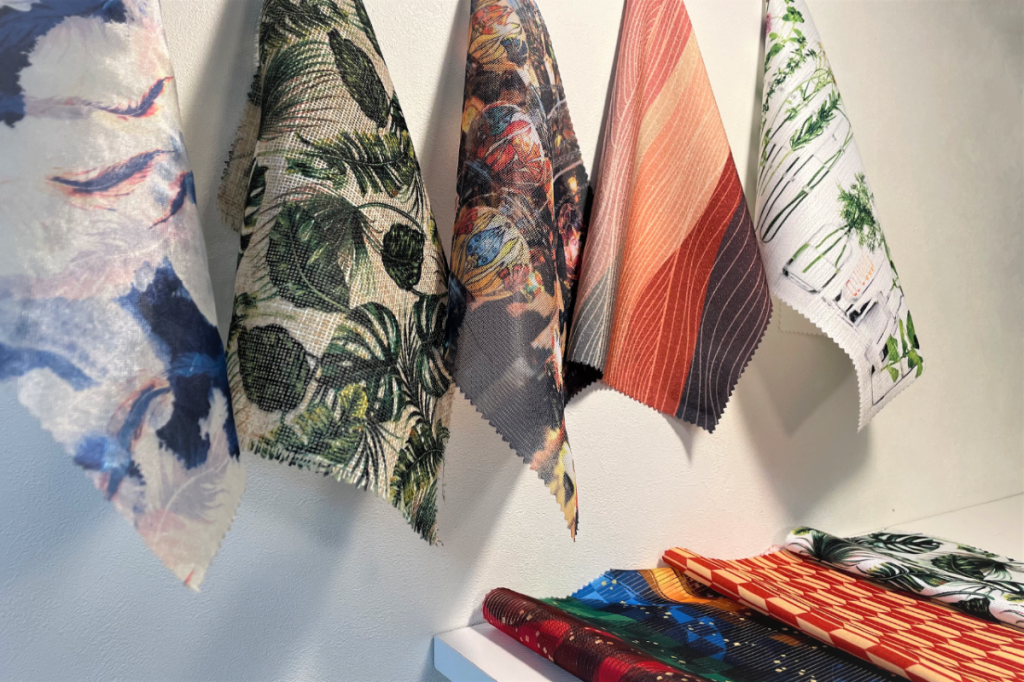
Printing quality depends on more than ink, artwork, and printing equipment. The material used during the printing process also plays a major role in determining design accuracy, color consistency, and production efficiency. In textile and screen printing, mesh fabrics help control ink transfer and ensure that patterns are reproduced with the required level of detail. Selecting the right mesh is therefore essential for achieving reliable results across different applications.
Among the materials used in modern printing operations, Polyester Printing Mesh is widely valued for its dimensional stability, strength, and versatility. Its consistent construction makes it suitable for applications that require controlled ink flow and accurate image reproduction. From textile printing workshops to commercial screen printing facilities, polyester mesh supports production processes where precision and repeatability are important.
What Is Polyester Printing Mesh?
Polyester printing mesh is a woven textile material made from synthetic polyester yarns. It is commonly used as the screen fabric in screen printing because its uniform openings allow ink to pass through selected areas of a prepared stencil.
The mesh is typically stretched tightly over a printing frame to create a stable surface. During printing, a squeegee moves ink across the screen, pushing it through the open sections of the design and onto the target material.
Its performance depends on several construction characteristics, including:
- Mesh count: The number of threads per unit of measurement, which affects opening size and print detail.
- Thread diameter: The thickness of individual yarns, influencing strength and available open area.
- Weave structure: The arrangement of warp and weft threads, which contributes to mesh uniformity.
- Tensile strength: The ability of the material to withstand stretching and printing pressure.
- Surface consistency: Uniform yarns and openings help produce predictable ink transfer.
Understanding these characteristics helps printers select a mesh suited to their equipment, ink, and design requirements.
Why Polyester Is Used in Screen Printing
Polyester has become a common choice for screen printing because it combines useful mechanical properties with manufacturing flexibility. It can be produced in different mesh counts and thread diameters, allowing suppliers to serve a broad range of printing applications.
Dimensional Stability
A stable screen helps maintain accurate registration, especially when printing multi-color designs. Polyester generally offers good dimensional stability when properly tensioned and handled, helping the screen retain its intended shape during production.
Strength and Durability
Printing screens experience repeated contact with squeegees, inks, cleaning products, and tensioning forces. Polyester yarns provide useful resistance to everyday mechanical stress, making them suitable for repeated production cycles when maintained correctly.
Uniform Mesh Openings
Consistent openings are important for controlling how much ink passes through the screen. A well-manufactured mesh helps produce more predictable deposits and supports repeatable printing results.
Resistance to Moisture
Polyester absorbs relatively little moisture compared with many natural fibers. This characteristic helps it maintain dimensional consistency in printing environments where humidity may vary.
Understanding Mesh Count and Its Importance
Mesh count is one of the most important factors when selecting a screen printing mesh. It describes how many threads are present within a specified length, commonly measured in threads per centimeter or inch.
A higher mesh count generally means smaller openings, while a lower mesh count provides larger openings. The appropriate selection depends on the artwork, ink characteristics, and material being printed.
Low Mesh Counts
Lower mesh counts have larger openings and can allow heavier ink deposits. They are often used for bold graphics, thicker inks, and designs that do not require extremely fine detail.
Medium Mesh Counts
Medium mesh counts provide a balance between ink deposit and image definition. They are commonly used for general textile printing and designs with moderate levels of detail.
High Mesh Counts
Higher mesh counts have smaller openings and are often selected for fine lines, detailed patterns, and applications requiring thinner ink deposits. They may require careful control of ink viscosity and printing pressure.
Choosing a mesh count should involve testing rather than relying on a single standard. The ideal specification depends on the complete printing setup.
Applications in Textile and Commercial Printing
Polyester mesh is used in different printing environments because it can accommodate a wide range of design and production requirements.
Textile and Garment Printing
Screen printing is widely used to apply logos, graphics, lettering, and decorative patterns to garments. Polyester mesh helps control ink deposition on materials such as cotton, polyester, and blended fabrics.
Different mesh specifications can be selected according to the ink system and the level of detail required.
Fashion and Fabric Decoration
Printed textiles often feature complex patterns, repeated motifs, and multiple colors. A suitable mesh supports accurate reproduction and helps manufacturers maintain consistency across production batches.
Promotional Products
Screen printing is also used for bags, accessories, promotional merchandise, and other products. Polyester mesh provides a practical screen material for transferring designs onto different surfaces.
Industrial Screen Printing
Beyond apparel, screen printing is used in certain industrial applications involving labels, panels, and functional coatings. The required mesh specification depends on the substrate, ink formulation, and desired coating thickness.
How to Choose the Right Polyester Printing Mesh
Selecting the correct mesh requires consideration of both the design and the printing process. A mesh that works well for bold textile graphics may not provide the same results for fine details or specialty inks.
Important selection factors include:
- Printing detail: Evaluate the smallest lines, lettering, and design elements that must be reproduced.
- Ink viscosity: Thicker inks generally require larger openings than low-viscosity formulations.
- Ink deposit: Determine how much ink the application needs to achieve the desired coverage.
- Substrate type: Consider whether the design will be printed on garments, flat textiles, or another surface.
- Frame dimensions: Ensure that the mesh is compatible with the screen frame and tensioning equipment.
- Production volume: Repeated commercial use may require a mesh specification that offers suitable durability and stability.
- Printing method: Match the mesh to the equipment, stencil system, and process being used.
Consulting a mesh supplier and conducting sample prints can help identify the most suitable specification before full-scale production.
The Role of Mesh Tension in Printing Quality
Even a high-quality mesh can produce inconsistent results if it is not stretched and tensioned correctly. Mesh tension affects screen contact, stencil behavior, ink transfer, and registration accuracy.
If tension is too low or uneven, the screen may not return consistently to its original position after each printing stroke. This can cause blurred details, inconsistent deposits, or alignment problems.
Professional printing operations commonly use tension-measuring equipment to check screen conditions. Maintaining consistent tension across the frame helps improve repeatability and reduces avoidable printing defects.
Best Practices for Maintaining Polyester Printing Mesh
Proper maintenance helps extend screen life and preserve printing performance. Ink residue, dust, and chemical buildup can affect mesh openings and reduce print quality if screens are not cleaned correctly.
Recommended maintenance practices include:
- Remove excess ink after each printing session.
- Use cleaning products compatible with the ink and mesh system.
- Avoid sharp tools that could damage individual threads.
- Inspect screens for broken yarns, uneven tension, or blocked openings.
- Store clean screens in a dry, protected environment.
- Follow appropriate procedures when removing old stencils and preparing screens for reuse.
Regular inspection is especially important in high-volume production, where small defects can affect a large number of printed products.
Common Printing Problems and How to Prevent Them
Understanding common screen printing issues can help operators improve production quality and reduce material waste.
Uneven Ink Transfer
Uneven deposits may result from inconsistent mesh tension, unsuitable ink viscosity, or incorrect squeegee pressure. Checking these variables can help identify the source of the problem.
Blurred or Inaccurate Details
Fine design elements may appear unclear when the mesh count is unsuitable or the stencil is not properly prepared. Matching mesh specifications to the artwork can improve definition.
Blocked Mesh Openings
Dried ink and residue can obstruct openings and interfere with ink flow. Cleaning screens promptly and using compatible cleaning solutions helps prevent this issue.
Premature Mesh Damage
Excessive tension, rough handling, and unsuitable cleaning tools can damage mesh yarns. Careful screen preparation and maintenance reduce the risk of premature failure.
Future Developments in Polyester Screen Printing Mesh
Printing technology continues to evolve as manufacturers seek better accuracy, faster production, and more consistent output. Improvements in yarn manufacturing and weaving technology are helping suppliers produce mesh materials with more controlled thread structures and uniform openings.
Digital artwork preparation and automated screen production are also improving the accuracy of stencils and print registration. At the same time, manufacturers are exploring ways to improve material efficiency, extend screen life, and reduce waste during printing operations.
These developments are supporting the use of polyester mesh in increasingly specialized printing applications.
Conclusion
Polyester printing mesh is an important component in textile and screen printing because it supports controlled ink transfer, consistent image reproduction, and reliable production performance. Its strength, dimensional stability, and availability in different mesh specifications make it suitable for applications ranging from garment decoration to commercial and industrial printing.
Achieving the best results requires careful attention to mesh count, thread diameter, tension, ink properties, and substrate requirements. With the right selection and regular maintenance, polyester mesh can help printing businesses improve quality, reduce production problems, and maintain consistent results across a wide range of projects.
About Post Author



More Stories
Understanding the Materials and Techniques Used in Custom Oil Paintings
Important Questions to Ask Before Choosing a Marine Bearing Supplier
How Xprinter Receipt Printers Improve Transaction Speed and Accuracy