

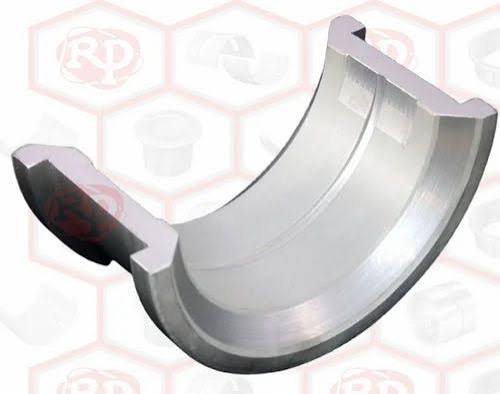
Selecting the right marine bearing supplier is an important decision for shipowners, marine engineers, shipbuilding companies, and equipment manufacturers. Marine bearings are essential components in propulsion systems, pumps, rudder assemblies, and other onboard machinery. Their quality and suitability directly influence equipment performance, operational stability, and maintenance requirements.
Before making a purchasing decision, buyers should carefully evaluate potential Marine Bearing Suppliers by asking relevant questions about product quality, manufacturing capabilities, material selection, technical support, and delivery arrangements. Gathering this information helps businesses identify dependable suppliers and avoid unnecessary costs associated with unsuitable or unreliable components.
1. What Types of Marine Bearings Do You Supply?
The first question should focus on the supplier’s product range. Marine machinery uses different bearing designs depending on operating conditions, mechanical loads, and equipment configurations.
Ask whether the supplier provides bearings for propulsion shafts, rudder systems, pumps, compressors, and other marine applications.
A broad product range can make procurement easier, especially when a vessel requires several bearing types. It is also important to confirm that the available products match the required dimensions and technical specifications.
2. Which Materials Are Used in Your Marine Bearings?
Material selection has a significant influence on bearing durability and performance. Marine components frequently encounter moisture, saltwater, vibration, and changing temperatures.
Ask suppliers which materials they use and how these materials perform under specific operating conditions.
Common options include:
- Bronze alloys: Used in applications requiring suitable mechanical strength and corrosion resistance.
- Stainless steel: Selected for applications where corrosion resistance and strength are important.
- Engineered polymers: Used in certain applications requiring low friction and water-compatible operating characteristics.
- Specialized alloys: Considered for demanding applications with particular mechanical requirements.
The best material depends on the bearing design, load conditions, lubrication method, and operating environment.
3. Do Your Products Meet Relevant Quality Standards?
Product quality should never be assumed based on appearance or price alone. Ask suppliers about their manufacturing procedures, inspection systems, and applicable quality certifications.
For example, ISO 9001 relates to quality management systems, while certain marine equipment may require additional approvals depending on vessel specifications and classification requirements.
Request relevant documentation, including material certificates, dimensional inspection reports, and product test records.
These documents help verify that supplied components meet the technical requirements of their intended applications.
4. What Manufacturing and Quality Control Processes Do You Follow?
Manufacturing precision directly affects bearing performance. Incorrect dimensions, surface defects, and inconsistent material properties can contribute to premature wear and mechanical problems.
Ask suppliers how they control quality during production.
Important areas to investigate include raw material inspection, precision machining, dimensional measurement, surface finishing, and final product testing.
A supplier should be able to explain its inspection procedures and demonstrate how manufacturing defects are identified before products are delivered.
5. Can You Provide Customized Marine Bearing Solutions?
Not every marine engineering project uses standard bearing dimensions or configurations. Some vessels require specialized components designed around particular shaft sizes, loads, and operating conditions.
Ask whether the supplier can manufacture customized bearings according to technical drawings or engineering specifications.
You should also confirm whether they can recommend suitable materials, modify dimensions, and provide design-related assistance.
Customization capabilities are especially useful when replacing older components or developing machinery for specialized vessels.
6. What Experience Do You Have in the Marine Industry?
Industry experience can provide useful insight into a supplier’s technical knowledge and understanding of marine applications.
Ask how long the company has worked with marine equipment manufacturers, shipbuilders, and vessel operators.
It is also helpful to understand which applications they have supported and whether they have experience with machinery similar to yours.
A supplier familiar with marine operating conditions is more likely to understand the importance of corrosion resistance, load capacity, shaft alignment, and lubrication requirements.
7. Can You Provide Technical Support and Product Recommendations?
Selecting a bearing involves more than matching its dimensions. Engineers must also consider rotational speed, load distribution, operating temperature, lubrication, and environmental exposure.
Ask whether the supplier provides technical assistance during product selection.
Useful services may include:
- Reviewing equipment drawings and specifications.
- Recommending suitable bearing materials.
- Checking product compatibility.
- Explaining installation requirements.
- Providing maintenance recommendations.
Technical support can reduce purchasing errors and help ensure that selected bearings are appropriate for the intended machinery.
8. What Are Your Production Capacity and Delivery Times?
Delivery reliability is important in shipbuilding and marine maintenance because delays can affect project schedules and vessel operations.
Ask whether the supplier maintains ready inventory or manufactures products after receiving orders.
Other important questions include:
- What is the standard production lead time?
- Can you handle large-volume orders?
- Do you support urgent replacement requirements?
- Which shipping methods are available?
- How do you communicate delivery updates?
Clear answers help buyers plan procurement activities and reduce the risk of unexpected delays.
9. What Warranty and After-Sales Services Do You Offer?
A dependable supplier should provide clear information about warranty coverage and after-sales assistance.
Ask how product-related complaints are handled, what conditions apply to warranty claims, and whether technical support is available after delivery.
Installation guidance, troubleshooting assistance, and replacement support can be valuable when dealing with critical marine machinery.
Reviewing these services before placing an order helps establish realistic expectations and reduces uncertainty.
10. How Do You Determine Product Pricing?
Pricing should be evaluated alongside quality, durability, and overall service value.
Ask suppliers for detailed quotations that explain product specifications, material options, customization charges, shipping expenses, and minimum order quantities.
It is also worth comparing the expected service life and maintenance requirements of different products.
Choosing a bearing based exclusively on its initial cost may result in higher expenses if it wears prematurely or requires frequent replacement.
11. Can You Provide Customer References or Previous Project Experience?
Customer feedback and previous project experience can help buyers evaluate supplier reliability.
Ask whether the company can share references, relevant case studies, or examples of completed marine supply projects.
Pay attention to information about product consistency, communication, delivery performance, and technical support.
Independent feedback can provide a more balanced understanding of a supplier’s capabilities than promotional claims alone.
The Importance of Comparing Suppliers Carefully
After collecting answers, compare suppliers using consistent evaluation criteria. Focus on technical suitability, material quality, manufacturing standards, pricing transparency, delivery reliability, and customer support.
For example, Techemer is one name buyers may encounter when researching marine bearing solutions. As with any potential supplier, reviewing product specifications and available technical documentation is important before making a final purchasing decision.
Maintaining a written comparison also makes it easier to identify differences between quotations and determine which supplier best meets the project’s requirements.
Conclusion
Choosing a marine bearing supplier requires careful research and clear communication. Asking questions about product types, materials, manufacturing quality, customization, industry experience, pricing, and after-sales support helps buyers make informed decisions.
Rather than focusing only on initial purchasing costs, marine businesses should evaluate the supplier’s ability to provide technically suitable products and consistent service. A well-informed selection process can reduce procurement risks, improve maintenance planning, and support reliable vessel performance over the long term.
About Post Author




More Stories
How Xprinter Receipt Printers Improve Transaction Speed and Accuracy
CHZ Lighting Solutions: Improving Safety, Visibility, and Energy Efficiency
Private Label Notebooks: How to Create Customized Stationery for Your Brand