

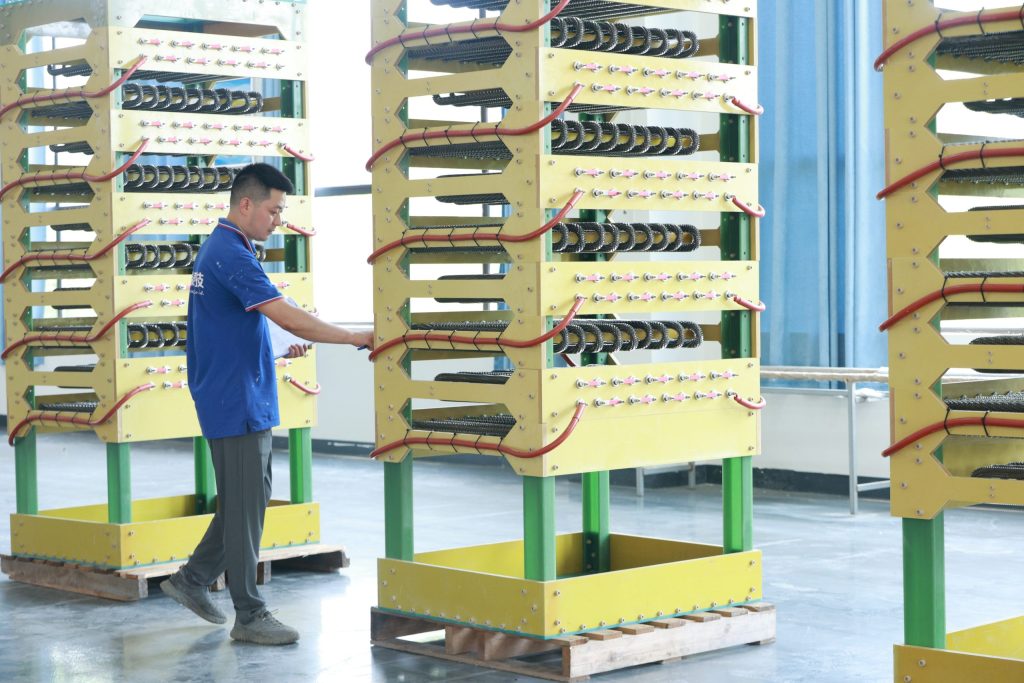
Resistive load banks are essential tools for testing and maintaining electrical power systems across a wide range of industries. They simulate real electrical loads by converting electrical energy into heat, allowing engineers to evaluate the performance of generators, UPS systems, and other power equipment without connecting actual operational loads. This controlled testing helps identify potential issues, improve equipment reliability, and ensure systems are ready for use during critical situations.
From data centers to hospitals and industrial facilities, resistive load banks play a vital role in ensuring resistive load banks manufacturer. Below are some of the most common applications where resistive load banks provide significant value.
Generator Testing
One of the primary applications of resistive load banks is generator testing. Backup generators must operate reliably during power outages, but they can only perform effectively if they are tested regularly.
Resistive load banks help engineers:
- Verify generator output
- Test voltage stability
- Measure frequency performance
- Prevent wet stacking in diesel generators
- Confirm full-load operating capability
Routine load bank testing ensures generators are prepared to handle real emergency situations.
Data Centers
Data centers require continuous electrical power to keep servers, storage systems, and networking equipment running around the clock.
Resistive load banks are commonly used during:
- Facility commissioning
- Generator acceptance testing
- UPS validation
- Preventive maintenance
- Backup power verification
Testing electrical systems before live operation helps reduce downtime and protects valuable IT infrastructure.
UPS System Testing
Uninterruptible Power Supply (UPS) systems provide temporary power during utility failures until backup generators become operational.
Load banks allow technicians to:
- Test battery performance
- Verify inverter operation
- Measure discharge capacity
- Validate transfer times
- Confirm overall UPS reliability
These tests ensure the UPS system performs properly during unexpected outages.
Hospitals and Healthcare Facilities
Hospitals cannot afford interruptions to electrical power because critical medical equipment depends on continuous operation.
Resistive load banks help healthcare facilities test:
- Emergency generators
- Backup electrical systems
- UPS equipment
- Automatic transfer switches
Regular testing helps hospitals maintain compliance while ensuring patient safety during emergencies.
Power Plants
Power generation facilities use resistive load banks for equipment commissioning, maintenance, and performance verification.
Common applications include:
- Generator performance testing
- Turbine commissioning
- Auxiliary power verification
- System maintenance
- Equipment troubleshooting
These tests help maintain efficient and reliable plant operations.
Industrial Manufacturing Plants
Manufacturing facilities rely on stable electrical systems to keep production running without interruptions.
Load banks assist with:
- Backup generator testing
- Electrical maintenance
- Equipment commissioning
- Preventive inspections
- Power system verification
Reliable testing minimizes production downtime and protects expensive manufacturing equipment.
Renewable Energy Projects
Renewable energy systems require thorough testing before they become operational.
Resistive load banks support:
- Solar power installations
- Wind energy facilities
- Battery energy storage systems
- Hybrid power systems
- Microgrid commissioning
Testing ensures electrical systems operate safely and efficiently before connecting to the grid.
Marine and Offshore Operations
Ships, offshore platforms, and marine facilities depend heavily on reliable onboard power systems.
Resistive load banks are used to test:
- Marine generators
- Emergency power systems
- Offshore drilling equipment
- Electrical distribution systems
Regular testing improves operational reliability in demanding marine environments.
Telecommunications Infrastructure
Communication networks require uninterrupted electrical power to maintain service availability.
Telecommunication companies use resistive load banks for:
- Backup generator testing
- UPS system maintenance
- Battery testing
- Site commissioning
- Emergency power verification
Reliable testing helps prevent communication outages during utility failures.
Military and Defense Facilities
Military installations require dependable electrical systems for mission-critical operations.
Resistive load banks support:
- Generator acceptance testing
- Emergency power validation
- Mobile power unit testing
- Field equipment verification
- Preventive maintenance
These applications help ensure operational readiness under demanding conditions.
Commercial Buildings
Large commercial buildings often have standby generators and emergency power systems to maintain essential services during outages.
Load banks are used for:
- Generator commissioning
- Routine maintenance
- Emergency system testing
- Building power verification
Testing helps building owners maintain safety and comply with regulatory requirements.
Equipment Manufacturing
Manufacturers of generators, UPS systems, and electrical equipment use resistive load banks for factory testing before products are delivered to customers.
Typical applications include:
- Product performance verification
- Quality control testing
- Factory acceptance testing
- Final inspection
- Reliability evaluation
These tests ensure equipment meets performance specifications before shipment.
Conclusion
Resistive load banks are indispensable across industries that rely on dependable electrical power. Whether testing backup generators, validating UPS systems, commissioning data centers, supporting renewable energy projects, or maintaining hospital emergency power, these devices provide accurate and controlled load simulation. Their ability to verify equipment performance before real-world operation helps improve safety, reduce downtime, extend equipment lifespan, and ensure reliable power when it matters most. As demand for dependable electrical infrastructure continues to grow, resistive load banks will remain a critical component of modern power system testing and maintenance.
About Post Author




More Stories
Why Thermal Receipt Printers Are Popular in Small and Medium-Sized Businesses
Cowboy Hat Plush Designs for Unique and Playful Fashion Looks
Exploring Color, Texture, and Finish Options in KKR Solid Surface Materials