

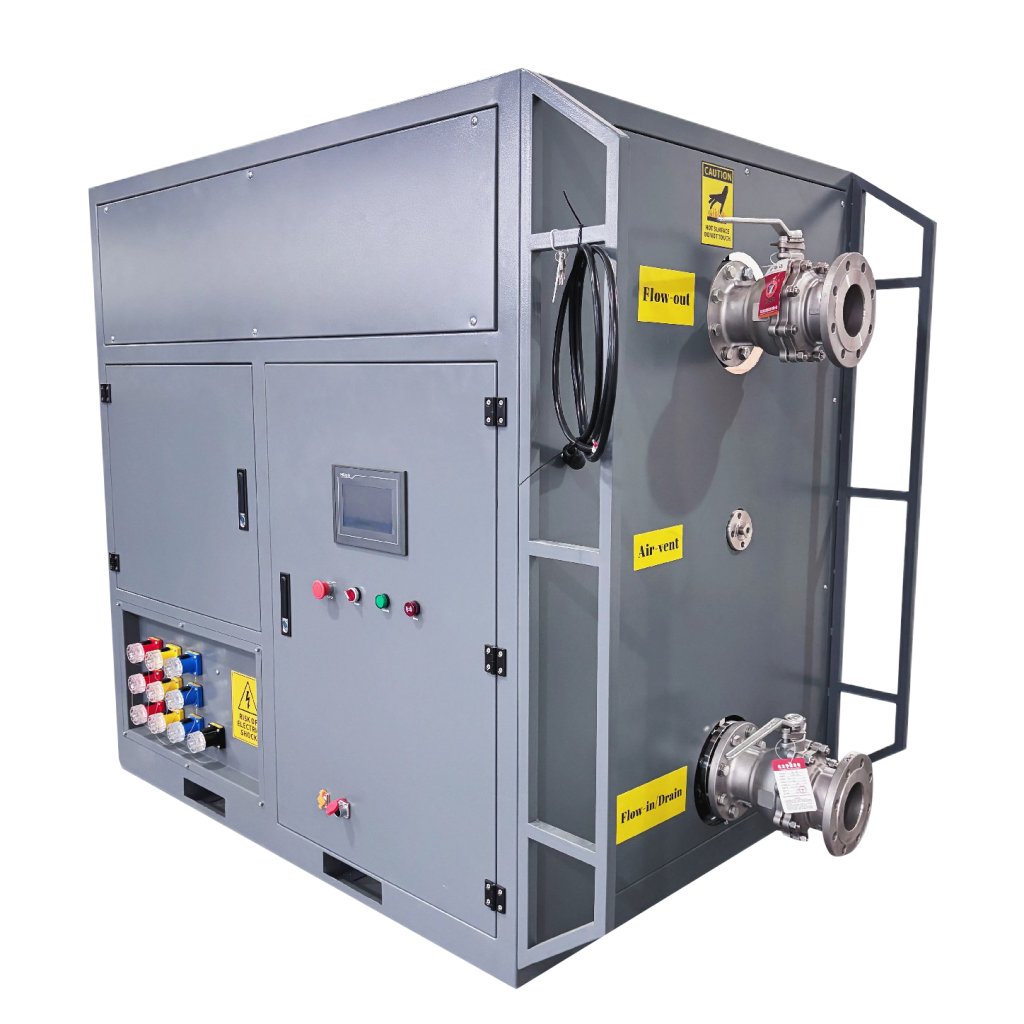
Load banks are essential for testing generators, uninterruptible power supplies (UPS), battery energy storage systems, and other critical power equipment. Since these systems are often used in demanding industrial environments, they must deliver reliable performance while remaining easy to maintain. A professional liquid cooled load banks manufacturer understands that maintenance-friendly equipment reduces downtime, lowers operating costs, and extends the service life of the load bank. As a result, modern manufacturers prioritize designs that simplify inspections, servicing, and repairs without compromising performance or safety.
The design process begins with accessibility. One of the first priorities for a liquid cooled load banks manufacturer is ensuring that technicians can easily reach critical components during routine maintenance. Electrical panels, control systems, cooling pumps, sensors, resistive elements, and coolant connections are arranged in logical locations with sufficient working space. Removable access panels and well-organized internal layouts allow maintenance personnel to complete inspections quickly without dismantling large sections of the equipment.
Modular construction is another important design principle. Instead of integrating every component into a single complex structure, manufacturers often divide the system into independent modules. This approach allows individual components such as cooling pumps, control units, resistive elements, or monitoring systems to be replaced or serviced without affecting the entire load bank. Modular designs also reduce repair time and simplify future upgrades.
The liquid cooling system itself is carefully engineered for easy maintenance. High-quality piping, durable hoses, corrosion-resistant fittings, and reliable seals help minimize wear over time. A reputable liquid cooled load banks manufacturer designs coolant circuits with accessible inspection points so technicians can easily monitor coolant levels, check fluid quality, and inspect for leaks. Drain and refill ports are also positioned to simplify coolant replacement during scheduled maintenance.
Clear component labeling further improves serviceability. Every electrical connection, coolant line, sensor, and control device is properly identified using durable labels and markings. This organized layout helps technicians quickly locate components, reducing maintenance time and minimizing the possibility of installation errors during repairs.
Modern monitoring systems have significantly improved maintenance efficiency. Many advanced liquid cooled load banks include intelligent sensors that continuously monitor operating conditions such as coolant temperature, coolant flow, pressure, electrical load, and internal temperatures. If abnormal conditions develop, the control system generates alarms or diagnostic messages that help maintenance teams identify potential issues before they lead to equipment failure.
Predictive maintenance capabilities are becoming increasingly common. Instead of relying solely on scheduled inspections, a forward-thinking liquid cooled load banks manufacturer incorporates diagnostic software that analyzes equipment performance over time. By identifying trends such as reduced coolant flow, increasing temperatures, or abnormal electrical behavior, operators can perform maintenance before a problem affects system performance. This proactive approach reduces unexpected downtime and improves equipment reliability.
The selection of durable components also plays a major role in maintenance-friendly design. Professional manufacturers use high-quality contactors, circuit breakers, resistive elements, pumps, valves, sensors, and electronic controllers that are built for long service life. Premium components experience less wear and require fewer replacements, helping customers reduce maintenance expenses throughout the equipment’s lifecycle.
Corrosion resistance is another essential consideration. Liquid cooled load banks often operate in industrial plants, marine environments, renewable energy facilities, and outdoor installations where moisture and harsh conditions are common. Manufacturers use corrosion-resistant metals, protective coatings, stainless steel hardware, and durable enclosure finishes to prevent deterioration. These protective measures reduce maintenance requirements while extending the lifespan of the equipment.
Comprehensive documentation also supports easier maintenance. A professional liquid cooled load banks manufacturer provides detailed operation manuals, maintenance schedules, wiring diagrams, troubleshooting guides, and spare parts information. Clear documentation enables maintenance personnel to perform inspections correctly, identify faults efficiently, and replace components with confidence.
Safety is integrated into every maintenance procedure. Modern load banks include lockout points, emergency stop systems, insulated electrical compartments, and protective covers that allow technicians to work safely during servicing. Maintenance-friendly designs also minimize exposure to energized components, reducing the risk of accidents while repairs are being performed.
Manufacturers also consider future service needs during product development. Standardized components and readily available replacement parts simplify long-term maintenance and reduce repair delays. Some designs also allow software updates, control system upgrades, and additional monitoring features to be added without requiring major equipment modifications.
In conclusion, a professional liquid cooled load banks manufacturer designs maintenance-friendly equipment by focusing on accessibility, modular construction, intelligent monitoring, durable components, corrosion resistance, comprehensive documentation, and built-in safety features. These thoughtful design principles make routine maintenance faster, reduce operating costs, minimize downtime, and improve long-term reliability. As industries continue to depend on reliable power testing, maintenance-friendly load banks will remain a valuable investment for organizations seeking dependable performance and efficient equipment management.
About Post Author



More Stories
Wudu Basin Installation: Important Measurements and Plumbing Considerations
Enjoy Smooth, Creamy Coffee Creations with an Efficient Electric Milk Frother
China B87 Air Pick: Specifications, Heavy-Duty Applications, and Performance Advantages