

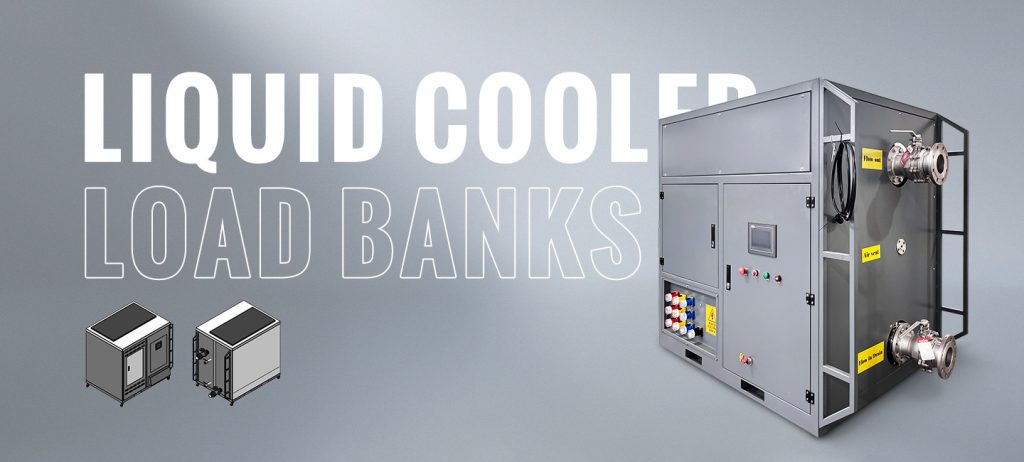
The power industry is evolving rapidly as businesses adopt smarter technologies, renewable energy systems, and more complex electrical infrastructures. As a result, the role of a load bank equipment manufacturer is also changing. Modern load banks are no longer limited to basic generator testing—they are becoming intelligent systems capable of advanced monitoring, automation, and integration with digital power management platforms.
Manufacturers are investing in innovation to meet the growing demands of industries such as data centers, healthcare, utilities, telecommunications, manufacturing, and renewable energy. Understanding these emerging trends can help businesses choose equipment that remains reliable and relevant for years to come.
Smarter Digital Control Systems
One of the biggest trends is the adoption of intelligent digital controls. Modern load banks are becoming easier to operate while providing greater accuracy and flexibility.
Future systems are expected to include:
- User-friendly touchscreen interfaces
- PLC-based automation
- Programmable testing sequences
- Intelligent diagnostics
- Customizable operating modes
These features reduce manual operation while improving testing precision and efficiency.
Increased Remote Monitoring
Remote monitoring has become increasingly important, especially for organizations managing multiple facilities.
A modern load bank equipment manufacturer is developing solutions that allow operators to:
- Monitor testing in real time
- Access equipment remotely
- Review performance data
- Receive fault notifications
- Generate automated reports
Remote capabilities improve maintenance planning and reduce the need for on-site supervision.
Greater Automation
Automation is transforming nearly every industrial sector, and load bank technology is no exception.
Future load banks will feature:
- Automatic load adjustments
- Scheduled testing programs
- Self-diagnostic functions
- Intelligent fault detection
- Automated data recording
Automation helps improve consistency while reducing the possibility of human error during testing.
Integration with Smart Power Management Systems
Modern facilities increasingly rely on centralized power management platforms to monitor electrical infrastructure.
Future load banks are expected to integrate more effectively with:
- Building management systems
- Energy management platforms
- Generator control systems
- UPS monitoring software
- Industrial automation systems
This integration provides operators with a comprehensive view of power system performance.
Growing Demand from Data Centers
The rapid growth of cloud computing, artificial intelligence, and digital services is driving significant expansion in data center construction.
A professional load bank equipment manufacturer will continue developing specialized solutions that support:
- Large backup generators
- High-capacity UPS systems
- Battery energy storage
- Data center commissioning
- Preventive maintenance programs
As data centers become more advanced, demand for intelligent testing equipment will continue to increase.
Expansion of Renewable Energy Applications
Renewable energy projects require reliable testing to ensure stable power generation and storage.
Manufacturers are increasingly designing load banks for:
- Solar power systems
- Wind energy projects
- Battery energy storage systems
- Hybrid power plants
- Microgrid installations
These solutions help verify system performance while supporting the transition to cleaner energy sources.
Improved Energy Efficiency
Energy efficiency has become a major focus across industrial equipment manufacturing.
Future load bank designs are expected to emphasize:
- Optimized cooling systems
- Improved airflow management
- Reduced energy consumption
- Enhanced thermal efficiency
- Environmentally responsible manufacturing
More efficient equipment helps organizations lower operating costs while supporting sustainability initiatives.
Advanced Data Analytics
Data-driven maintenance is becoming increasingly valuable for businesses seeking to improve equipment reliability.
Future load banks may provide:
- Performance trend analysis
- Predictive maintenance insights
- Historical testing records
- Automated reporting
- Equipment health monitoring
These analytical capabilities help organizations identify issues before failures occur.
Stronger Focus on Safety
Safety will remain a top priority as electrical systems become more powerful and complex.
A leading load bank equipment manufacturer will continue improving safety through features such as:
- Enhanced fault detection
- Automatic emergency shutdown
- Advanced temperature monitoring
- Improved electrical protection
- Intelligent warning systems
These advancements help reduce operational risks while protecting both personnel and equipment.
More Customization Options
Customer requirements continue to become more specialized.
Manufacturers are expected to offer greater flexibility in:
- Voltage ratings
- Power capacities
- Portable and stationary systems
- Containerized solutions
- Control system configurations
- Environmental protection features
Customization allows businesses to purchase equipment specifically designed for their operational requirements.
Stronger Quality and Manufacturing Standards
As customer expectations continue to rise, manufacturers will place even greater emphasis on quality management and production consistency.
Future improvements may include:
- More automated manufacturing processes
- Enhanced quality inspections
- Better component traceability
- Increased factory testing
- Improved production efficiency
These developments help ensure consistent product quality and long-term reliability.
Global Growth and Industry Expansion
The increasing need for reliable backup power across industries will continue driving demand for load bank equipment worldwide.
Sectors expected to contribute to future growth include:
- Data centers
- Healthcare
- Telecommunications
- Utilities
- Manufacturing
- Renewable energy
- Transportation infrastructure
This growing demand encourages manufacturers to invest in innovation, expand production capacity, and improve customer support.
Conclusion
The future of the load bank equipment manufacturer industry is being shaped by digital transformation, automation, renewable energy, intelligent monitoring, and growing demand for reliable power testing solutions. Modern manufacturers are developing smarter, safer, and more efficient load banks equipped with advanced control systems, remote monitoring, predictive analytics, and enhanced customization options. Businesses that partner with forward-thinking manufacturers will be better positioned to improve testing accuracy, increase operational efficiency, reduce maintenance costs, and ensure the long-term reliability of their critical power systems in an increasingly connected world.
About Post Author





More Stories
How to Identify High-Quality Tissue Culture Plants Before Purchasing
Factors to Consider When Choosing Paper Lunch Boxes Wholesale
Understanding Sand Aluminium Casting and Its Role in Custom Metal Component Production