

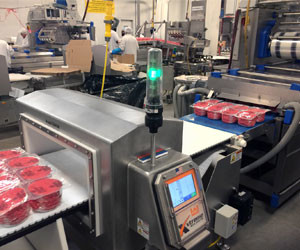
Food processing companies are continuously adopting new technologies to improve product safety, increase efficiency, and meet higher quality standards. Metal detection systems have evolved significantly, offering better accuracy, smarter controls, and improved integration with modern production lines.
Manufacturers searching for Food Processing Metal Detectors for Sale can now choose from advanced systems designed with innovative features that support safer and more efficient food production. These developments help businesses reduce contamination risks while improving overall operational performance.
Table of Contents
ToggleEnhanced Detection Sensitivity
One of the biggest advancements in food metal detection technology is improved sensitivity. Modern systems are capable of identifying smaller metal contaminants while maintaining stable performance in challenging production environments.
Advanced sensor technology allows detectors to recognize:
- Ferrous metal particles
- Non-ferrous metals
- Stainless steel fragments
Improved sensitivity helps manufacturers strengthen food safety programs without increasing unnecessary product rejection.
Intelligent Signal Processing Technology
New-generation metal detectors use advanced signal processing algorithms to improve detection accuracy. These systems analyze signals more effectively, helping separate actual contaminants from product-related interference.
This technology is especially useful when inspecting products with complex characteristics, such as high moisture content or conductive ingredients.
Automatic Product Learning
Automatic product learning is another important innovation in modern metal detection systems. Instead of requiring extensive manual adjustments, advanced detectors can learn product characteristics and optimize settings automatically.
Benefits include:
- Faster product changeovers
- Reduced setup time
- Improved detection consistency
- Easier operation for employees
This feature helps manufacturers maintain efficiency when handling multiple products on the same production line.
Smart Data Monitoring and Reporting
Digital monitoring capabilities have transformed how manufacturers manage quality control. Many modern metal detectors can collect and store inspection data for analysis and reporting.
These systems help businesses:
- Monitor equipment performance
- Maintain inspection records
- Support quality audits
- Identify production trends
Better data management improves decision-making and strengthens food safety procedures.
Integration with Automated Production Lines
Automation continues to influence food processing technology. Advanced metal detectors are designed to connect with other production equipment, creating more efficient inspection systems.
Common integrations include:
- Conveyor systems
- Automated reject mechanisms
- Checkweighers
- Packaging equipment
- Manufacturing software platforms
This connectivity allows inspection processes to operate smoothly within automated factories.
Improved Hygienic Design
Food safety requires equipment that can withstand strict cleaning procedures and demanding environments. New metal detection systems feature improved hygienic designs that make maintenance easier.
Common improvements include:
- Stainless steel construction
- Smooth surfaces
- Water-resistant components
- Easy-access cleaning areas
These features support better sanitation and longer equipment service life.
Artificial Intelligence and Smart Technologies
Artificial intelligence is becoming increasingly important in industrial inspection systems. AI-based features can help improve detection accuracy, analyze performance data, and predict potential equipment issues.
Future developments may include smarter self-adjusting systems and advanced predictive maintenance capabilities that reduce downtime.
Energy Efficiency Improvements
Modern manufacturers are also focusing on sustainability. New metal detection systems are designed to operate efficiently while maintaining high inspection performance.
Energy-efficient components and optimized system designs help reduce operating costs and support environmentally responsible manufacturing practices.
User-Friendly Control Systems
Improved user interfaces have made metal detection equipment easier to operate. Touchscreen controls, simple navigation, and customizable settings allow operators to manage systems with minimal training.
Better usability reduces errors and improves daily production efficiency.
Conclusion
Innovations in food processing metal detection technology are helping manufacturers achieve higher levels of safety, efficiency, and reliability. Advanced sensitivity, intelligent software, automation integration, and improved hygienic designs have transformed metal detectors into essential tools for modern food production. By investing in updated inspection technology, businesses can improve quality control, reduce risks, and meet the growing demands of the food industry.



More Stories
Wudu Basin Installation: Important Measurements and Plumbing Considerations
Enjoy Smooth, Creamy Coffee Creations with an Efficient Electric Milk Frother
China B87 Air Pick: Specifications, Heavy-Duty Applications, and Performance Advantages