

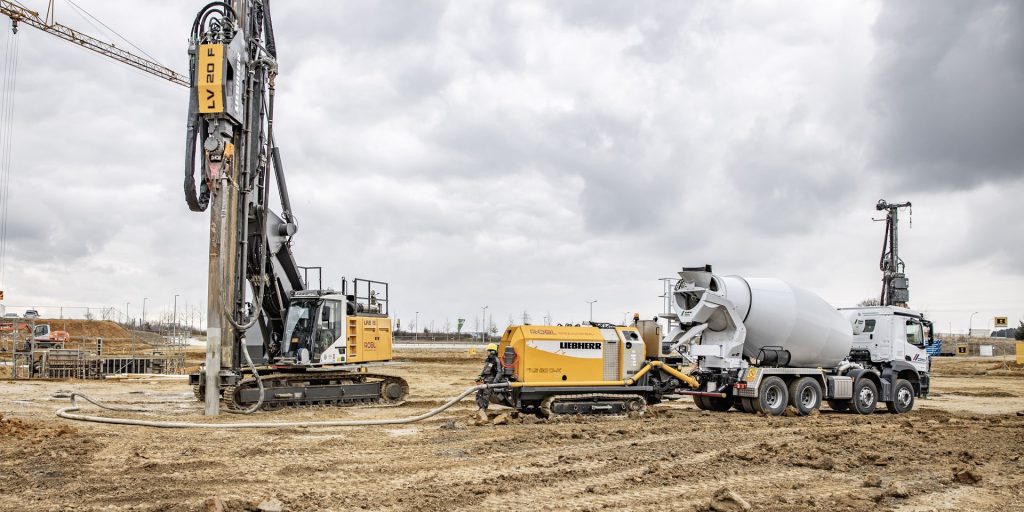
In modern construction, deep foundation work requires precision, planning, and the right machinery to ensure long-term structural safety. Before any large structure is built, engineers must carefully prepare the site and select appropriate drilling methods to handle soil conditions and load requirements effectively.
A pile drilling machine is widely used in foundation engineering because it enables accurate and controlled drilling for pile installation, and a pile drilling machine plays a key role in ensuring that foundations are built with stability, precision, and consistency across different types of construction projects.
Table of Contents
ToggleImportance of Proper Site Preparation
Before operating any drilling equipment, proper site preparation is essential. This stage ensures safety, efficiency, and accuracy during the construction process. Poor preparation can lead to misalignment, equipment failure, or unstable foundations.
Site preparation involves assessing soil conditions, clearing obstacles, and marking pile locations according to engineering designs. It also includes ensuring that access routes for heavy machinery are stable and safe for operation.
Key Steps in Site Preparation
A well-prepared site improves the overall performance of foundation work. The preparation process generally includes several important steps:
- Conducting a geotechnical soil investigation
- Clearing vegetation, debris, and surface obstacles
- Leveling the ground for machine stability
- Marking precise pile positions using survey equipment
- Setting up safety zones around the working area
Each of these steps ensures that drilling operations proceed smoothly and without unnecessary delays.
Overview of the Pile Drilling Machine Operation Process
Once the site is ready, the pile drilling process begins. The operation of a pile drilling machine follows a structured sequence designed to maintain accuracy and safety while creating deep foundation holes.
The process typically involves positioning the machine, aligning the drill, and gradually penetrating the soil to the required depth. The drilled hole is then prepared for reinforcement and concrete filling.
Step-by-Step Operation Process
The working process of a pile drilling machine generally includes the following stages:
1. Machine Positioning and Setup
The machine is placed at the marked pile location. Stabilizers or support systems are deployed to ensure balance during drilling.
2. Vertical Alignment Adjustment
Operators carefully adjust the mast to ensure the drill is perfectly vertical. Proper alignment is critical for structural stability.
3. Drilling Into the Ground
The drilling tool penetrates the soil layer by layer. Depending on soil conditions, different drilling speeds and techniques may be used to maintain efficiency and accuracy.
4. Soil Removal and Borehole Formation
Excavated soil is removed continuously or in stages, creating a clean and stable borehole for pile installation.
5. Depth Monitoring and Control
Operators monitor drilling depth closely to ensure it meets engineering specifications. Precision at this stage is essential for load-bearing performance.
6. Reinforcement Installation
Once the required depth is reached, a steel reinforcement cage is inserted into the borehole to strengthen the pile structure.
7. Concrete Pouring
Concrete is poured into the borehole, filling the space around the reinforcement to form a solid foundation pile.
Safety Measures During Operation
Safety is a critical aspect of operating heavy drilling equipment. Proper precautions help prevent accidents and ensure smooth workflow on construction sites.
Important safety practices include:
- Regular inspection of machinery before operation
- Ensuring operators are properly trained
- Maintaining safe distance between workers and equipment
- Monitoring ground stability during drilling
- Using protective equipment on site
Following these measures helps reduce risks and ensures efficient project execution.
Factors Affecting Drilling Efficiency
Several factors influence the performance of a pile drilling machine during operation. Soil type, groundwater levels, and weather conditions can all affect drilling speed and accuracy.
Hard rock layers may require slower drilling and specialized tools, while soft soils allow faster penetration. Proper planning helps engineers adjust methods according to site conditions.
Conclusion
The operation of a pile drilling machine requires careful site preparation, precise execution, and strict safety measures. From initial ground assessment to final concrete pouring, each step plays a crucial role in ensuring foundation stability. By following structured procedures and maintaining proper control throughout the process, construction teams can achieve strong, reliable foundations suitable for a wide range of civil and infrastructure projects.




More Stories
Bead Mill Machine Operation Process and Performance Optimization
HEMA and TPO Free Gel Polish: Performance Factors and Application Tips
Factors to Consider Before Ordering Wholesale Gel Nail Polish in Bulk