

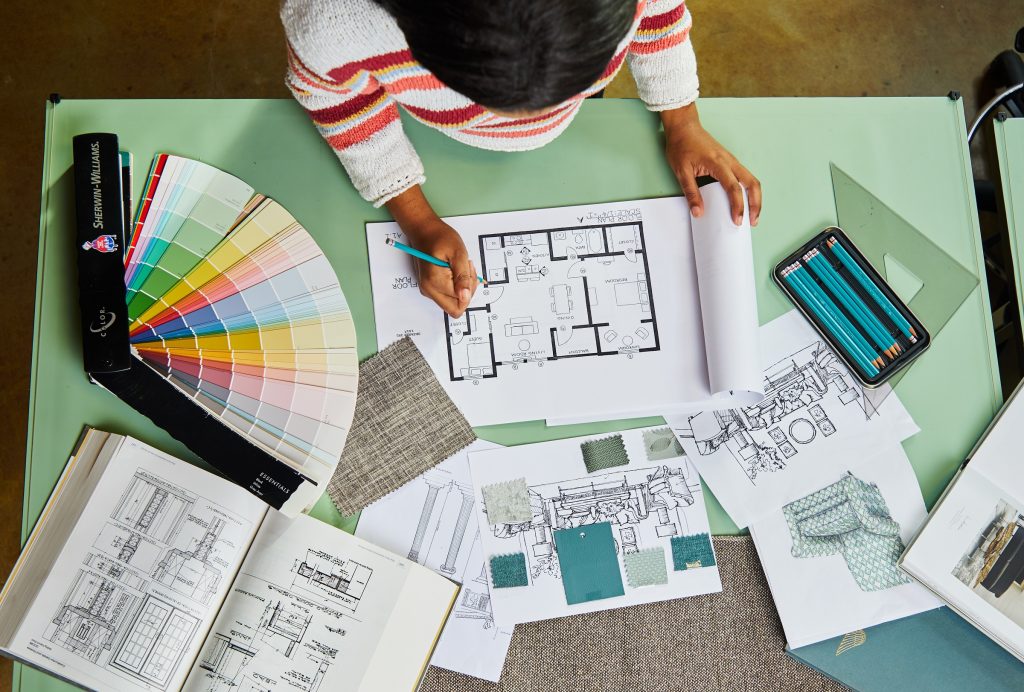
In today’s competitive business environment, the design of a corporate office goes far beyond aesthetics—it directly impacts productivity, employee satisfaction, and brand identity. A well-designed workspace fosters collaboration, enhances efficiency, and reflects a company’s values. For organizations aiming to create inspiring and functional work environments, corporate office interior design provides tailored solutions that blend style, functionality, and innovation.
Corporate office interior design focuses on transforming ordinary workspaces into dynamic environments that promote creativity, efficiency, and comfort. The approach considers not only visual appeal but also employee well-being, ergonomics, and operational flow, creating offices that are both attractive and highly functional.
The Importance of Professional Corporate Office Design
A thoughtfully designed office goes beyond decoration; it shapes how employees interact with their environment and with each other.
Boosting Productivity
A well-planned office layout reduces distractions, optimizes workflow, and improves accessibility. From efficient desk arrangements to intuitive navigation, professional design enhances day-to-day productivity.
Reflecting Brand Identity
Corporate spaces are an extension of a company’s brand. Professional design ensures that the office embodies the organization’s values, culture, and personality, leaving a lasting impression on clients and visitors.
Enhancing Employee Well-Being
Workplace comfort, natural lighting, ergonomic furniture, and designated wellness areas contribute to better employee health and satisfaction. A positive work environment can reduce stress, enhance engagement, and increase retention.
Key Elements of Corporate Office Interior Design
Creating an effective corporate office involves careful planning across multiple design elements:
Space Planning and Layout
Optimizing the layout is essential for functional offices. Designers evaluate space utilization, workflow patterns, and employee interactions to create zones for collaboration, private work, meetings, and relaxation. Open-plan layouts, hybrid seating, and flexible spaces are popular strategies for modern offices.
Lighting and Ambiance
Lighting plays a critical role in workplace productivity and mood. A combination of natural light, ambient lighting, and task-specific fixtures ensures a comfortable and inspiring environment. Designers often use adjustable lighting systems to cater to different work requirements.
Furniture and Ergonomics
Ergonomic furniture enhances comfort, reduces physical strain, and supports long working hours. Adjustable chairs, height-adjustable desks, and collaborative furniture encourage proper posture, flexibility, and teamwork.
Materials and Finishes
Selecting the right materials and finishes contributes to durability, aesthetics, and maintenance efficiency. Designers incorporate high-quality, easy-to-maintain surfaces while aligning colors, textures, and patterns with the corporate brand.
Branding and Visual Identity
Incorporating brand elements, such as color schemes, logos, and thematic décor, reinforces identity throughout the office. Creative branding within the workspace fosters a sense of belonging and pride among employees while making a strong impression on visitors.
Acoustic Design
Noise management is critical in corporate offices, especially in open-plan settings. Acoustic panels, sound-absorbing materials, and strategic zoning help minimize distractions and maintain a focused environment.
Trends in Modern Corporate Office Design
Corporate offices in Singapore increasingly embrace innovative designs that cater to evolving workplace needs. Current trends include:
Flexible and Hybrid Workspaces
Adaptable office layouts support both collaborative work and private focus areas, accommodating remote work, flexible hours, and team dynamics.
Biophilic Design
Incorporating natural elements such as greenery, natural light, and outdoor-inspired materials enhances employee well-being, creativity, and productivity.
Smart Technology Integration
Modern offices integrate smart systems for lighting, climate control, security, and collaboration tools. Technology enhances efficiency and creates a more responsive work environment.
Minimalism and Clean Aesthetics
Minimalist design emphasizes open spaces, uncluttered surfaces, and functional furniture. This approach reduces visual distractions and promotes a calm, focused workplace.
Wellness-Oriented Features
Breakout areas, wellness rooms, ergonomic furniture, and even meditation zones support employees’ physical and mental health, contributing to higher engagement and retention.
Choosing the Right Corporate Interior Designer
Selecting an experienced designer is crucial for achieving a functional and visually impressive corporate office:
-
Relevant Experience: Look for designers with expertise in corporate and commercial spaces.
-
Portfolio and Creativity: Review past projects to assess their creativity, innovation, and ability to adapt to different brand identities.
-
Collaboration: Effective designers work closely with stakeholders to align design with organizational goals and culture.
-
Budget and Timeline Management: Experienced designers ensure projects are completed efficiently, on time, and within budget without compromising quality.
Benefits of Professional Corporate Office Interior Design
Investing in professional design offers multiple advantages for businesses:
-
Enhanced Productivity: Thoughtfully designed workspaces improve workflow, reduce distractions, and increase efficiency.
-
Stronger Brand Representation: A cohesive design reinforces company identity and impresses clients and partners.
-
Employee Satisfaction and Retention: Comfortable, inspiring, and well-planned offices contribute to happier, healthier employees.
-
Long-Term Value: Professional design enhances property value and ensures the space remains relevant as business needs evolve.
Final Thoughts
Corporate office interior design is a strategic investment in a company’s culture, efficiency, and image. By integrating smart layouts, ergonomic solutions, aesthetic appeal, and brand identity, professional designers transform offices into dynamic, inspiring environments.
Whether for a start-up, an established firm, or a multinational company, expert interior design ensures that the workspace supports business objectives while enhancing employee well-being. A thoughtfully designed office is more than a functional environment—it is a reflection of the company’s vision, a hub for creativity and collaboration, and a space that motivates teams to perform at their best.
About Post Author



More Stories
15 Benefits of Partnering with a Professional Commercial Furniture Manufacturer
Why Global Buyers Prefer Experienced Meditation Seat Manufacturers
How to Compare Different Living Room Furniture Manufacturers