

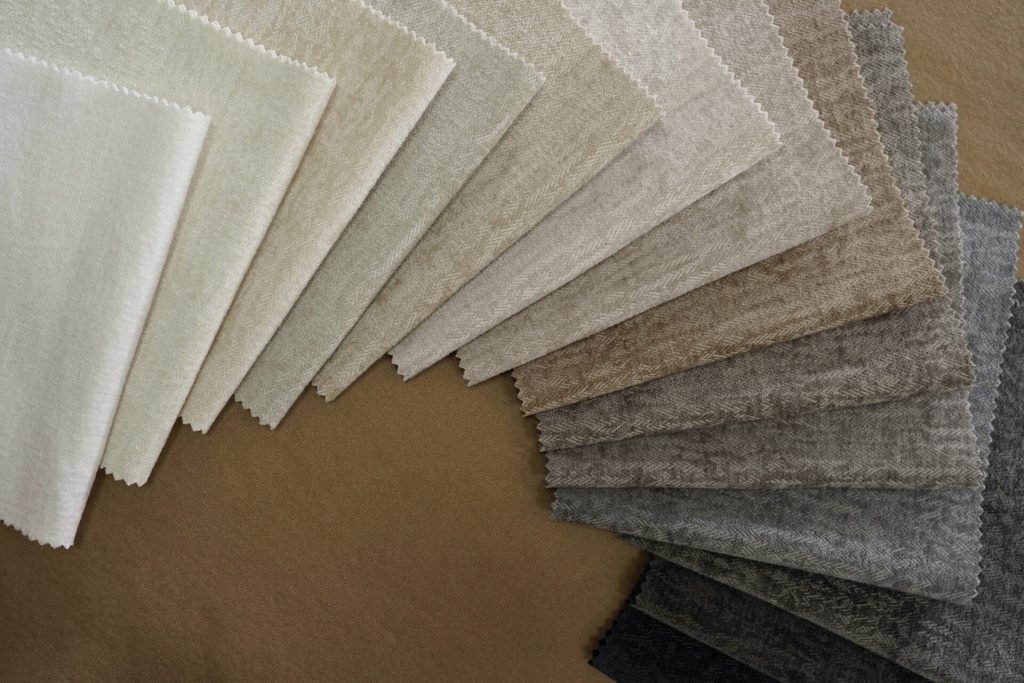
Chenille fabric is widely celebrated for its plush texture and luxurious feel. Its soft, velvety surface makes it a preferred choice for upholstery, clothing, blankets, and decorative textiles. But what exactly gives chenille its signature softness? Understanding the fiber structure, weaving techniques, and performance characteristics of chenille fabric helps explain why it provides such a tactilely pleasing experience, making it a staple in both fashion and home décor.
The softness of chenille is primarily due to its unique construction, which involves twisting short lengths of yarn between two core threads to create a pile that stands up from the base fabric. This pile is responsible for the fabric’s velvety texture and gentle touch. To learn more about Chenille Fabric Soft and its manufacturing process, fiber properties, and practical applications, you can visit this professional resource: Chenille Fabric Soft.
Table of Contents
ToggleFiber Structure and How It Affects Softness
Chenille fabric is made using short fibers that are inserted between core threads in a special twisting technique. These fibers, known as the pile, protrude from the surface and create a fuzzy texture. Unlike flat-woven fabrics, which have a smooth and firm surface, chenille’s pile allows it to feel soft and cushioned to the touch. The fiber length, density, and twist directly affect how plush the fabric feels. Longer, loosely twisted fibers produce a softer, more luxurious surface, while shorter or tightly twisted fibers result in a firmer texture.
The choice of fibers also contributes significantly to softness. Chenille can be made from natural fibers like cotton, wool, or silk, which are inherently soft and breathable. Synthetic fibers such as polyester or rayon are often blended to enhance durability while maintaining softness. This combination ensures that chenille remains both comfortable and practical for long-term use.
Weaving Techniques That Enhance Softness
The weaving and finishing processes of chenille further contribute to its soft texture. After the pile yarns are inserted and twisted between core threads, the fabric undergoes brushing or finishing treatments that raise the pile and separate individual fibers. This increases the surface area and creates the characteristic plush feel that makes chenille so appealing. Additionally, the density of the pile affects how the fabric interacts with touch; a dense pile produces a thicker, more luxurious feel, while a lighter pile provides a softer, airier texture suitable for clothing and accessories.
Performance Benefits of Chenille Fabric
Besides its softness, chenille fabric is valued for its performance properties. The pile structure not only enhances tactile comfort but also provides warmth and insulation, making it ideal for blankets, upholstery, and winter clothing. Its surface texture can absorb and diffuse light, giving the fabric a subtle sheen and enhancing the visual richness of colors and patterns.
Chenille is also relatively durable when constructed with quality fibers and tight weaving. While the raised pile can be prone to crushing or pilling under heavy use, proper selection of fiber blends and regular maintenance can preserve both softness and appearance over time. This combination of comfort and durability contributes to chenille’s continued popularity in both home and fashion applications.
Applications of Soft Chenille Fabric
Soft chenille fabric is highly versatile and used in a wide range of products. In home décor, it is commonly found in sofas, armchairs, ottomans, cushions, and throws. The fabric’s plush texture adds tactile comfort to seating areas, while its visual appeal enhances the design of interiors. Its warmth and softness also make it a popular choice for bedding, including blankets and bedspreads.
In apparel, chenille is frequently used for sweaters, cardigans, scarves, and loungewear. The softness against the skin makes it suitable for garments intended for prolonged wear, providing comfort while maintaining a stylish, luxurious appearance. Additionally, accessories like hats, gloves, and socks are sometimes made from chenille to leverage its plush texture and insulation properties.
Care and Maintenance of Soft Chenille
Maintaining chenille fabric is essential to preserving its softness and performance. For upholstery and home textiles, regular vacuuming with a soft brush attachment helps remove dust and prevent the pile from matting. Rotating cushions and rotating use of throws or blankets can prevent uneven wear on the fabric.
For clothing and smaller textile items, gentle hand washing or machine washing on a delicate cycle with mild detergent is recommended. High heat should be avoided to prevent damage to fibers or shrinkage. Air drying or laying garments flat maintains the pile’s integrity and softness. Following these care practices ensures that chenille continues to feel plush and maintain its visual appeal over time.
Conclusion
Chenille fabric owes its softness to its unique fiber structure, pile construction, and careful finishing processes. The combination of naturally soft or blended fibers with a raised, velvety pile creates a tactilely pleasing surface that enhances comfort, warmth, and visual appeal. Understanding how chenille fabric achieves its softness, as well as its performance characteristics and maintenance needs, allows designers, homeowners, and consumers to make the most of this versatile and luxurious textile in both fashion and home décor applications.





More Stories
Essential Mining Substation Equipment for Safe and Reliable Power Distribution
How TikTok Creator Tools Help Creators Analyze Performance and Increase Engagement
Wudu Basin Installation: Important Measurements and Plumbing Considerations