

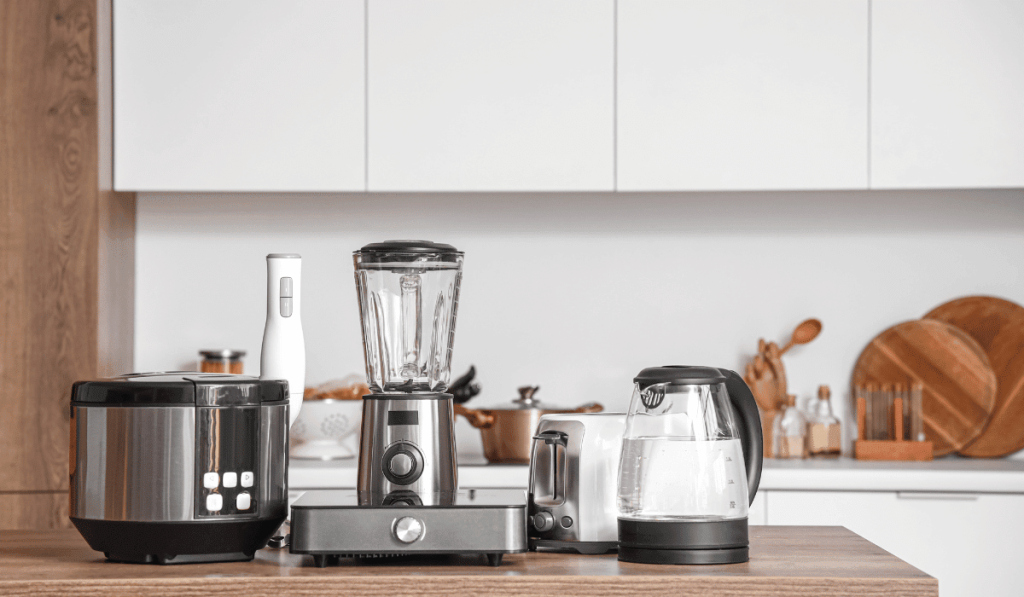
Energy efficiency has become a major consideration for consumers purchasing home appliances. As electricity costs continue to rise and environmental awareness grows, manufacturers are placing greater emphasis on developing products that consume less power while maintaining strong performance. This trend is especially noticeable in the small kitchen appliance sector, where daily-use products can significantly impact household energy consumption over time.
Today, many small kitchen appliance brands are introducing appliances designed with advanced energy-saving technologies, compact heating systems, and intelligent power management features. These improvements not only help reduce electricity usage but also support more sustainable lifestyles for modern households.
Table of Contents
ToggleWhy Energy Efficiency Matters in Kitchen Appliances
Small kitchen appliances are used frequently throughout the day, from preparing breakfast to cooking dinner and making beverages. Even though individual appliances may consume less power than large household devices, their combined usage can influence monthly energy bills.
Energy-efficient appliances help consumers:
- Lower electricity costs
- Reduce unnecessary energy waste
- Minimize environmental impact
- Improve long-term appliance performance
As a result, buyers increasingly compare energy ratings and efficiency features before making purchasing decisions.
Advances in Heating Technology
Heating elements are one of the primary areas where manufacturers focus on energy optimization. Modern appliances now use improved heating systems that warm up faster and distribute heat more evenly.
Examples include:
- Rapid-heating kettles
- Infrared toaster technology
- Air fryers with high-speed air circulation
- Precision temperature-controlled coffee makers
Faster cooking and heating times help reduce overall electricity consumption while improving convenience in busy kitchens.
Smart Power Management Features
Many modern appliances now include smart power-saving functions that automatically reduce energy usage when the appliance is not actively operating.
Common energy-saving features include:
- Automatic shut-off systems
- Sleep or standby modes
- Eco cooking settings
- Timed operation controls
- Low-power display screens
These features prevent unnecessary electricity use and improve appliance safety at the same time.
Compact Designs That Consume Less Energy
Compact appliances often require less power because they heat smaller spaces and operate more efficiently. As urban homes and apartments become smaller, compact kitchen appliances continue gaining popularity.
Examples of energy-conscious compact products include:
- Mini rice cookers
- Personal blenders
- Compact toaster ovens
- Single-serve coffee makers
- Portable induction cookers
These appliances are designed to meet everyday cooking needs while minimizing energy consumption and countertop usage.
The Growing Popularity of Air Fryers
Air fryers have become one of the most energy-efficient alternatives to traditional cooking methods. Unlike large ovens that require longer preheating times, air fryers cook food quickly using concentrated hot air circulation.
Benefits of air fryers include:
- Reduced cooking times
- Lower electricity usage
- Minimal oil requirements
- Faster preheating
Because of these advantages, many households now rely on air fryers for regular meal preparation.
Induction Cooking and Energy Savings
Induction cooking technology has also gained attention for its efficiency. Unlike conventional electric cooktops, induction systems transfer energy directly to cookware rather than heating the surrounding surface.
This method offers several benefits:
- Faster cooking speeds
- Precise temperature control
- Reduced heat loss
- Improved safety
Portable induction cookers are especially popular among consumers seeking energy-efficient solutions for smaller kitchens.
Sustainable Materials and Eco-Friendly Manufacturing
Energy efficiency extends beyond appliance operation. Many manufacturers now focus on environmentally responsible production methods and sustainable materials.
Some companies are investing in:
- Recyclable packaging
- BPA-free components
- Durable materials for longer product life
- Reduced manufacturing emissions
These efforts contribute to broader sustainability goals while appealing to environmentally conscious consumers.
Consumer Demand for Long-Lasting Appliances
Durability plays an important role in energy efficiency because appliances with longer lifespans reduce the need for frequent replacements. Consumers increasingly seek products built with high-quality materials and reliable components.
Features associated with durable appliances often include:
- Overheat protection
- High-performance motors
- Corrosion-resistant materials
- Easy maintenance systems
Long-lasting appliances can help reduce waste while providing better long-term value.
Energy Labels and Buying Decisions
Many consumers now rely on energy labels and efficiency certifications when shopping for kitchen appliances. These labels make it easier to compare products based on electricity usage and environmental impact.
Before purchasing an appliance, buyers often consider:
- Wattage
- Estimated annual energy use
- Efficiency certifications
- Cooking speed
- Standby power consumption
Clear energy information helps consumers make more informed and cost-effective choices.
Future Trends in Energy-Efficient Appliances
The future of kitchen appliances will likely include even smarter energy management systems. Artificial intelligence and sensor-based technologies may further optimize cooking times and electricity usage.
Emerging trends may include:
- AI-powered cooking adjustments
- Smart energy monitoring apps
- Solar-compatible appliances
- Advanced low-energy motors
- Improved battery-powered portable devices
As innovation continues, energy-efficient appliances are expected to become standard in modern kitchens.
Conclusion
Energy efficiency has become a key focus in the small kitchen appliance industry as consumers prioritize sustainability, lower utility costs, and smarter household technology. From compact cooking devices to advanced air fryers and induction cookers, modern appliances are designed to deliver strong performance while minimizing electricity consumption.
Manufacturers continue to improve heating systems, smart controls, and eco-friendly production methods to meet growing consumer expectations. As technology evolves, energy-efficient kitchen appliances will remain an important part of creating more sustainable and practical living spaces.





More Stories
How Modular Drawer Cabinet Manufacturers Ensure Product Quality
Electric Mini Excavator Maintenance Requirements Compared to Traditional Models
Electric Mini Excavator for Residential Construction and Renovation Projects