

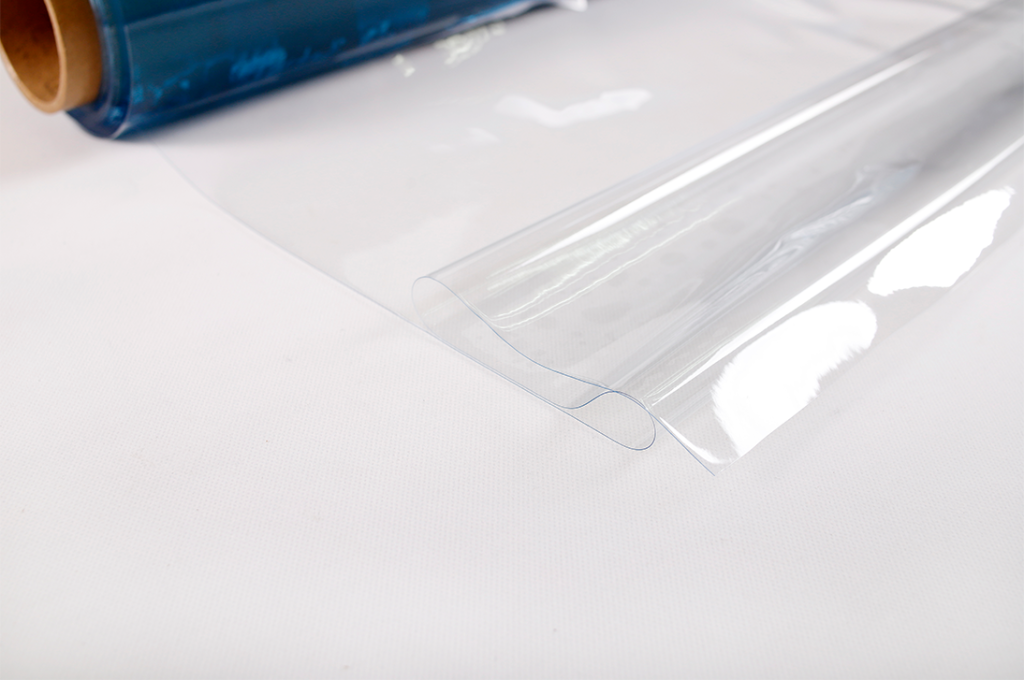
Packaging serves two important purposes in modern commerce: protecting products from external damage and presenting them in a way that customers can easily recognize. Businesses need materials that maintain product visibility while providing a reliable protective layer during storage, transportation, and retail display. Finding a material that balances these requirements is essential for manufacturers and packaging companies.
Transparent plastic films have become popular because they offer a practical combination of visibility, flexibility, and protection. Among these materials, Transparent PVC Film is widely used in packaging applications where products need to remain visible without being directly exposed to dust, moisture, and everyday handling. Its adaptable properties make it suitable for different packaging designs across commercial and industrial sectors.
Understanding Transparent PVC Film in Packaging
Transparent PVC film is manufactured from polyvinyl chloride, a thermoplastic polymer known for its versatility and processing flexibility. It can be produced in different thicknesses, hardness levels, and surface finishes depending on the intended application.
In packaging, the material acts as a transparent covering that helps protect products while allowing their contents to remain visible.
Manufacturers can process PVC film through several techniques, including cutting, heat sealing, printing, lamination, and thermoforming. These options make it suitable for customized packaging structures and different product dimensions.
How Transparent PVC Film Protects Packaged Products
Product protection is one of the main reasons businesses use transparent plastic films. During transportation, storage, and retail handling, products can encounter various environmental and physical conditions.
PVC film provides several forms of practical protection.
1. Protection Against Dust and Dirt
Dust and airborne particles can affect product appearance, particularly when goods remain stored for extended periods.
Transparent PVC film creates a physical covering that helps reduce direct exposure to dust and dirt. This is useful for retail products, stationery, household accessories, and manufactured components.
The clear surface also allows retailers to inspect packaged items without removing the protective layer.
2. Resistance to Moisture
Humidity and water exposure can damage certain products, especially paper-based goods, decorative items, and selected consumer accessories.
PVC generally offers good resistance to moisture, making it suitable for protective packaging applications.
However, the actual moisture protection depends on the film’s thickness, formulation, and sealing quality. Products requiring strict moisture or oxygen barrier performance may need specialized packaging structures.
3. Reduced Surface Damage
Products can experience scratches, friction, and minor physical contact during handling and transportation.
A suitable PVC film covering can help reduce direct contact between products and external surfaces.
This is particularly useful for products with polished finishes, decorative surfaces, or delicate exterior components.
4. Protection During Storage and Transportation
Commercial products often pass through multiple handling stages before reaching their final destination.
Transparent PVC film can provide an additional protective layer that helps reduce exposure to common contaminants and everyday handling damage.
Its lightweight structure also makes it convenient for packaging operations where minimizing unnecessary weight is important.
How Transparent PVC Film Improves Product Visibility
Protection is only one part of effective packaging. Visibility is equally important, especially in retail environments where customers want to examine products before making purchasing decisions.
1. Allows Customers to Inspect Products
Transparent packaging gives customers a clear view of the product without requiring them to open the package.
This is useful for items such as toys, stationery, accessories, and household products, where appearance and physical features influence buying decisions.
2. Supports Attractive Retail Displays
Clear packaging helps maintain the original appearance of products while providing a protective covering.
Retailers can organize and display goods without completely hiding their colors, shapes, or designs.
This can make product arrangements more visually appealing and convenient to browse.
3. Simplifies Product Identification
Transparent film allows employees and warehouse operators to identify packaged products without opening containers.
This can improve convenience during inventory management, sorting, and order preparation.
It is particularly beneficial for businesses handling large quantities of similar products.
4. Maintains Visibility During Transportation
Transparent packaging allows products to remain identifiable during distribution and storage.
Although packaging labels and identification markings are still necessary, a clear outer layer can make visual inspection easier.
Important Properties That Make PVC Film Suitable for Packaging
The performance of transparent PVC film depends on several physical and manufacturing characteristics.
Optical Clarity
Optical clarity determines how clearly objects can be seen through the film.
High-quality grades are useful for retail packaging and product display applications where appearance matters.
Clarity can vary depending on material formulation, thickness, additives, and manufacturing conditions.
Flexibility
PVC film can be manufactured with different levels of softness and flexibility.
Flexible grades can wrap around products or adapt to different packaging shapes, while semi-rigid grades may be more suitable for formed packaging components.
Mechanical Strength
Depending on its thickness and formulation, PVC film can withstand normal handling, bending, and moderate mechanical stress.
This helps it maintain its protective function during routine packaging operations.
Heat-Sealing Compatibility
Certain PVC film grades can be heat-sealed using suitable equipment and controlled processing conditions.
This allows manufacturers to create enclosed packages and customized protective covers.
Surface Quality
A smooth and consistent surface contributes to better product presentation and can make cleaning and handling easier.
Manufacturers should inspect film samples for scratches, bubbles, haze, and other visible defects before purchasing large quantities.
Common Packaging Applications of Transparent PVC Film
Its combination of visibility and adaptability makes PVC film useful across several packaging categories.
Retail Consumer Goods
Retailers use transparent packaging for selected consumer products that benefit from visible presentation.
Examples include toys, stationery, household accessories, decorative items, and small hardware products.
Blister Packaging
Blister packaging uses molded plastic compartments to hold individual products.
PVC film can be thermoformed into specific shapes, allowing items to remain visible while being held in position.
It is used in selected consumer goods and pharmaceutical packaging applications. Regulated products require appropriate material grades and compliance documentation.
Protective Product Covers
Transparent PVC film can be converted into protective sleeves and covers for products that need protection during storage and distribution.
These coverings are useful for items that require visibility alongside protection from dust and everyday handling.
Stationery and Office Supplies
Folders, document covers, packaging sleeves, and other office accessories may incorporate transparent PVC materials.
Their clear appearance allows users to identify stored documents and items without removing the protective covering.
Industrial Components
Manufacturers may use PVC film to package selected small components and finished products.
The material can be customized according to product dimensions and the required level of protection.
Transparent PVC Film Compared with Other Packaging Materials
Several plastic materials are available for transparent packaging, and each offers different advantages.
| Material | Main Characteristics | Common Applications |
|---|---|---|
| PVC Film | Clear, flexible, moisture-resistant | Product covers, blister packaging |
| PE Film | Lightweight, flexible, economical | Wrapping and protective packaging |
| PP Film | Good clarity and stiffness | Food packaging and labels |
| PET Film | Strong, clear, dimensionally stable | Packaging trays and protective layers |
PVC is often selected when flexibility, visibility, and forming capabilities are important.
PE may be more economical for general wrapping, PP offers useful stiffness, and PET can provide greater dimensional stability and tensile strength.
The best material depends on the product’s protection requirements, packaging design, and intended storage conditions.
Factors to Consider When Choosing PVC Film for Packaging
Selecting the correct film grade is important for achieving the required balance between product protection and visibility.
1. Film Thickness
Thickness influences strength, flexibility, and resistance to physical damage.
Thin grades may be suitable for lightweight packaging, while thicker materials can offer greater resistance to punctures and handling stress.
2. Transparency Requirements
Packaging intended for retail displays may require excellent optical clarity.
Businesses should examine samples for haze, surface imperfections, and visual consistency before making a purchasing decision.
3. Product Characteristics
The size, weight, shape, and sensitivity of the packaged product should influence material selection.
Products with sharp edges may require different thickness and mechanical properties than lightweight consumer goods.
4. Environmental Conditions
Consider whether the package will experience humidity, changing temperatures, sunlight, or repeated handling.
The film should have suitable specifications for its expected storage and transportation environment.
5. Sealing and Processing Requirements
Manufacturers should confirm that the selected grade is compatible with their packaging machinery.
Correct sealing conditions help produce consistent packaging and reduce defects.
6. Safety and Regulatory Compliance
Food, pharmaceutical, and medical packaging may require specific material approvals and safety standards.
Always verify the suitability of the selected formulation for its intended use and obtain relevant technical documentation.
Tips for Maintaining Packaging Quality
Proper handling and storage help preserve the appearance and functionality of PVC film before and during production.
Businesses should follow these practices:
- Store film rolls in a clean and dry environment.
- Avoid excessive heat and prolonged direct sunlight.
- Keep the material away from sharp objects.
- Prevent unnecessary pressure or deformation during storage.
- Use suitable cleaning methods to avoid surface scratches.
- Check film quality before beginning large production runs.
- Follow the manufacturer’s recommended processing conditions.
Regular quality inspections can also help identify inconsistencies before they affect finished packaging.
Environmental Considerations in Transparent PVC Packaging
While PVC film provides practical packaging benefits, businesses should also consider its environmental impact.
PVC can be recycled through suitable systems, although recycling availability depends on material composition, contamination, and local infrastructure.
Packaging companies can adopt more responsible practices by minimizing unnecessary film consumption, improving cutting efficiency, reducing production waste, and working with recycling facilities that accept PVC.
Selecting the appropriate thickness and avoiding excessive packaging layers can also help improve material efficiency.
Conclusion
Transparent PVC film provides a practical combination of product protection and visibility, making it useful for various commercial packaging applications. Its ability to reduce exposure to dust, moisture, and everyday handling damage while allowing products to remain visible makes it valuable in retail, industrial, and selected pharmaceutical packaging.
Its flexibility, optical clarity, and processing versatility offer manufacturers several options for creating customized packaging designs.
However, selecting the right grade requires attention to thickness, transparency, sealing performance, product compatibility, and regulatory requirements. By considering these factors, businesses can make informed packaging decisions that support product protection, attractive presentation, and efficient manufacturing.
About Post Author



More Stories
Important Questions to Ask Before Choosing a Marine Bearing Supplier
How Xprinter Receipt Printers Improve Transaction Speed and Accuracy
CHZ Lighting Solutions: Improving Safety, Visibility, and Energy Efficiency