

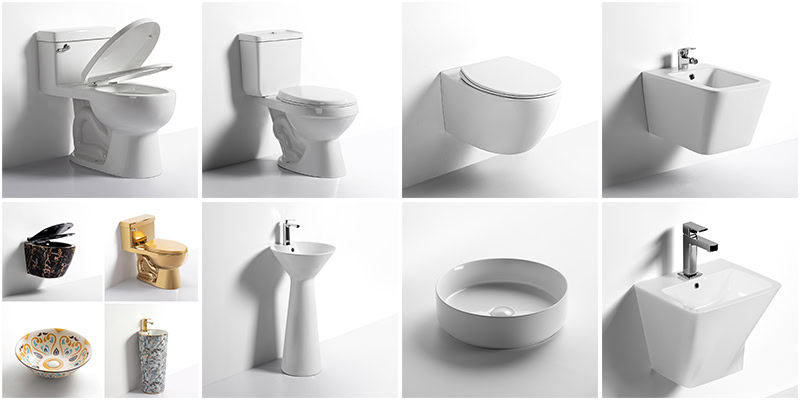
Selecting a sanitary ware manufacturer in China requires more than comparing product prices. Buyers need to assess quality, production capabilities, communication, compliance, delivery reliability, and overall value before committing to an order. A structured comparison can help identify suppliers that are better suited to specific project and business requirements.
When researching China Sanitary Ware Manufacturers, it is useful to compare suppliers using consistent criteria rather than relying on marketing materials alone. This approach makes differences between manufacturers easier to identify and reduces the risk of unexpected issues after an order is placed.
Start With Your Purchasing Requirements
Before comparing suppliers, establish exactly what you need. Define product types, dimensions, materials, finishes, quantities, packaging requirements, and target delivery dates.
If the products are intended for a specific market, also identify any applicable standards or certification requirements. Clear specifications allow manufacturers to provide more accurate quotations and reduce misunderstandings.
Compare Product Quality
Product quality should be one of the first factors considered. Request samples from shortlisted manufacturers and inspect them against your specifications.
Pay attention to surface finish, dimensions, material consistency, structural strength, drainage performance, and overall workmanship. If possible, compare samples from several suppliers under the same criteria.
Evaluate Manufacturing Capabilities
Different manufacturers may specialize in different sanitary ware products or production methods. Consider whether a supplier has the equipment, technical expertise, and production facilities required for your order.
Ask about:
- Manufacturing experience and product specialization
- Production capacity and available equipment
- Standard and customized product capabilities
- Typical production lead times
- Ability to handle repeat or larger orders
A supplier that meets your current requirements should also have enough capacity to support future demand if your business grows.
Check Certifications and Compliance
Certification requirements vary depending on the product and destination market. Before ordering, identify which standards apply to your products and verify that the manufacturer can provide the necessary documentation.
Request copies of relevant certificates and test reports. Check their validity and confirm that they relate to the products you plan to purchase.
Compare Minimum Order Quantities
Minimum order quantities can have a major effect on purchasing costs, particularly for smaller importers or buyers testing a new product.
Compare the MOQ for standard products and customized items separately. Also check whether custom colors, finishes, packaging, or branding require higher minimum quantities.
Review Customization Options
If you require customized sanitary ware, ask each manufacturer what level of customization it can support. This may include product dimensions, shapes, colors, finishes, packaging, or branding.
Compare tooling requirements, sample fees, development timelines, and production lead times. Make sure all customized specifications are documented and approved before production begins.
Analyze Pricing and Total Costs
Comparing unit prices alone can produce misleading results. Manufacturers may use different materials, packaging standards, accessories, or quality-control procedures in their quotations.
Consider the total cost of purchasing from each supplier, including:
- Product price
- Tooling or development costs
- Packaging
- Inspection expenses
- Shipping and related logistics
- Potential replacement or defect costs
The most competitive supplier is not necessarily the one with the lowest initial quotation.
Examine Quality Control Systems
Ask how each manufacturer manages quality throughout production. Effective quality control may include raw material inspections, production checks, dimensional testing, surface inspections, and final product verification.
For larger orders, consider whether the supplier allows third-party inspections. Clear inspection criteria agreed upon before production can make final quality assessment more straightforward.
Compare Lead Times and Delivery Reliability
A manufacturer’s stated lead time is important, but its ability to consistently meet that timeline matters even more. Ask about standard production schedules, peak-season delays, and how production changes are communicated.
If delivery dates are critical to your project, discuss them before placing an order and include agreed timelines in the purchasing documentation.
Assess Communication and Responsiveness
Communication can have a significant impact on international sourcing. Compare how quickly and accurately each supplier responds to technical questions, quotation requests, sample feedback, and specification changes.
A manufacturer that communicates clearly during the evaluation stage is often easier to work with during production. However, responsiveness should be considered alongside measurable factors such as quality and delivery performance.
Review Packaging and Shipping Preparation
Sanitary ware can be vulnerable to damage during transportation. Compare how manufacturers package and protect their products for export.
Ask about cartons, internal protection, pallets, labeling, loading procedures, and experience with long-distance shipments. Strong packaging practices can help reduce breakage and related costs.
Check Warranty and After-Sales Policies
Before ordering, understand what happens if products arrive damaged, contain manufacturing defects, or do not meet agreed specifications.
Ask about warranty coverage, replacement procedures, claims documentation, and response times. Clear after-sales terms can reduce uncertainty if problems occur after delivery.
Consider Factory Verification
For significant orders, additional supplier verification may be worthwhile. Depending on the size and importance of the purchase, buyers can review factory documentation, conduct a remote factory assessment, arrange an in-person visit, or use an independent inspection company.
The purpose is to confirm that the manufacturer’s stated capabilities align with its actual operations.
Create a Supplier Comparison
Once you have collected the information, compare manufacturers using the same criteria. A simple scoring system can make the decision more objective.
Consider categories such as:
- Product quality
- Manufacturing capacity
- Certifications and compliance
- Pricing and total cost
- MOQ and customization
- Lead time
- Quality control
- Communication
- Packaging and logistics
- After-sales support
Give greater weight to the factors that matter most to your specific project rather than treating every category as equally important.
Make the Decision Based on Overall Value
A reliable manufacturer should offer a suitable combination of quality, price, capacity, communication, and service. Avoid choosing a supplier based on a single attractive feature, such as a particularly low quotation or a large product catalog.
The comparison process should ultimately answer one question: can this manufacturer consistently deliver the products you need, at the agreed quality and cost, within the required timeframe?
Final Thoughts
Comparing sanitary ware manufacturers before ordering can reduce quality, delivery, and sourcing risks. By reviewing samples, verifying certifications, assessing production capabilities, comparing total costs, and checking supplier reliability, buyers can make more informed decisions.
A thorough comparison may take additional time at the beginning, but it can help prevent expensive problems later and create a stronger foundation for long-term cooperation with a suitable manufacturer.
About Post Author




More Stories
How to Identify High-Quality Tissue Culture Plants Before Purchasing
Factors to Consider When Choosing Paper Lunch Boxes Wholesale
Understanding Sand Aluminium Casting and Its Role in Custom Metal Component Production