

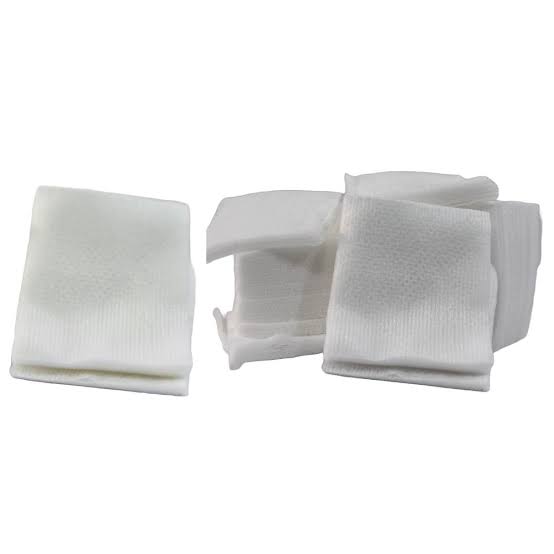
Dental practices rely on a variety of small disposable products that support routine procedures, patient care, and clinical organization. Dental gauze sponges are among the familiar items used in this environment, but their small size does not make supplier selection unimportant. Consistent dimensions, suitable material, controlled cleanliness, convenient packaging, and dependable availability all influence whether a product meets the needs of dental distributors and healthcare providers. For brands developing a private label range, the manufacturing partner must understand both the product and its intended professional setting.
An OEM Dental Gauze Sponges Factory may produce sponges according to a buyer’s specifications, including material, size, ply, shape, packaging quantity, and labeling. Before selecting a partner, buyers should confirm that the factory can reproduce the required design and maintain consistent quality. They should also determine whether the product is intended for general dental use or a regulated medical application, since the applicable requirements may differ.
Match the sponge to its intended dental use
Dental gauze sponges may be used for different purposes in dental environments, and the appropriate product depends on the procedure and professional requirements. Buyers should define the intended application before specifying dimensions or materials.
A product brief should include the sponge’s size, shape, ply, fabric composition, and any relevant handling characteristics. If the sponge is intended for a specific clinical procedure, consult dental professionals when establishing its requirements. The product should not be marketed for an application beyond its supported intended purpose.
Choose a suitable material and construction
The material affects the sponge’s structure, absorbency, handling, and consistency. Buyers should ask whether the product uses woven gauze or another material and request the relevant specifications. If cotton is specified, the factory should explain how it controls the quality and consistency of incoming fabric.
Construction details may include folded or unfolded formats, edge finishing, and the number of layers. These features should be defined clearly so the manufacturer can reproduce the approved product. Samples should be assessed for loose fibres, uneven folds, inconsistent dimensions, and other workmanship issues.
Consider size and handling requirements
Dental products often need to fit within a particular workflow and storage arrangement. A sponge that is too large, too small, or inconsistent in shape may be inconvenient for the intended user. Buyers should specify the finished dimensions and any unfolded measurements that are relevant to the product.
Ask the factory how it controls cutting and folding accuracy. Review multiple pieces from the sample batch rather than judging a single unit. Where dimensional consistency is important, include tolerances and inspection methods in the product specification.
Decide whether sterile presentation is necessary
Not every dental gauze sponge is supplied sterile. The required presentation depends on the intended application, product classification, and relevant clinical or regulatory requirements. Buyers must state clearly whether the product is sterile or non-sterile and ensure that labeling reflects its actual status.
If sterility is required, request evidence that the sterilization process is validated for the product and packaging configuration. The factory should explain how sterilization is monitored and how batches are released. Packaging must maintain the sterile barrier through the stated storage period. A sealed package alone does not establish sterility.
Review manufacturing hygiene and quality assurance
The manufacturer should maintain suitable procedures for production area cleanliness, equipment maintenance, operator training, and protection of finished products. Ask how raw materials are inspected and how products are handled before packaging.
Review the quality management system and relevant certificates, verifying their scope and the manufacturing site they cover. Ask for inspection records and details of how nonconforming goods are identified. A supplier should also have a documented process for handling complaints and investigating recurring defects.
Evaluate packaging for dental distribution
OEM packaging may include individual wraps, grouped packs, different quantities, and customized cartons. The right option depends on the way the product will be stocked and supplied to dental clinics, hospitals, or distributors.
Check that the packaging protects the sponges from foreseeable contamination and physical damage. Review label details such as product name, size, quantity, material, lot identification, and any required instructions. Artwork should be checked for accuracy before printing, especially where regulatory claims or sterile status are stated.
Verify documentation and regulatory responsibilities
Ask the factory for product specifications, relevant test reports, quality certificates, and batch traceability information. The documentation should correspond to the actual product being purchased. Regulatory requirements vary by market, so clarify who is responsible for registrations, technical documentation, labeling, and post-market obligations.
For private label products, the brand owner may have responsibilities that remain in place even when manufacturing is outsourced. These should be understood before the product is launched.
Assess long-term supply capability
A dental gauze sponge supplier should provide realistic information about production capacity, minimum order quantities, lead times, and export arrangements. Ask how it handles raw material shortages and changes in production. Compare quotations on a like-for-like basis, including packaging, inspection, and shipping costs.
A dependable OEM factory offers more than a low-cost product. It provides consistent construction, suitable quality controls, accurate documentation, and reliable service. Evaluating these factors before approval helps dental supply brands build a product range that can support repeat purchasing and professional distribution.
About Post Author




More Stories
Understanding Receipt Printer Connectivity Options and Compatibility
Why Thermal Receipt Printers Are Popular in Small and Medium-Sized Businesses
Fire Spray Nozzle: Applications and Benefits in Fire Protection Systems