

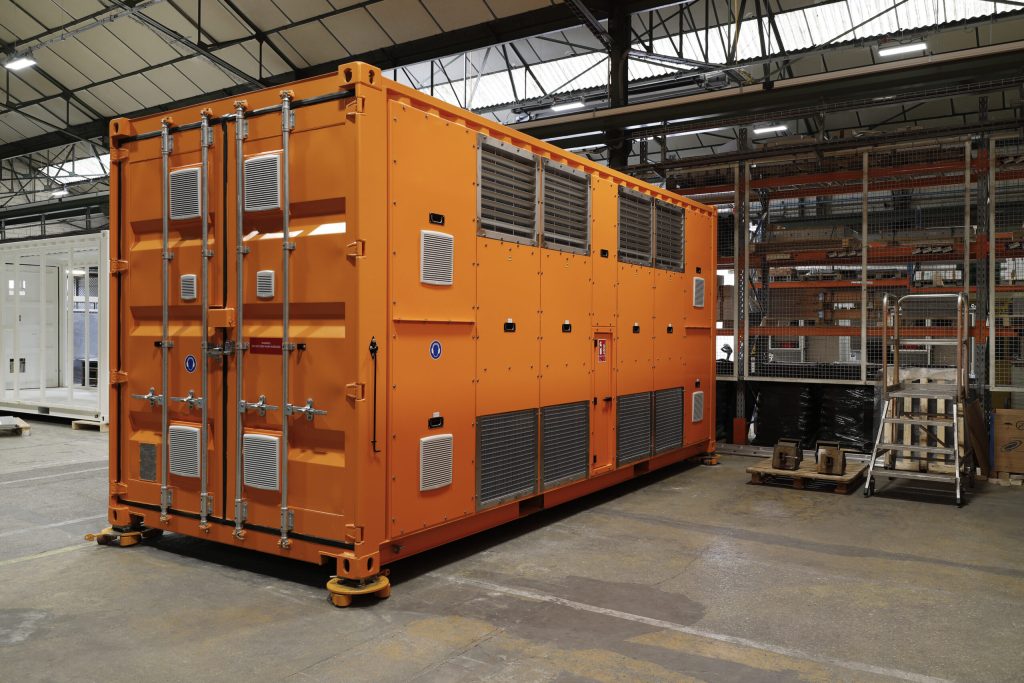
Selecting the right RLC load bank manufacturer is a critical decision for any organization that depends on reliable power system testing. RLC load banks are used to simulate real-world electrical loads by combining resistive, inductive, and capacitive elements, making them essential for testing generators, UPS systems, transformers, renewable energy systems, and industrial electrical infrastructure. Since the quality of the load bank directly impacts testing accuracy and equipment reliability, choosing the right manufacturer requires careful evaluation.
Before making your investment, it is important to understand the factors that separate a dependable manufacturer from the rest. This guide covers everything you need to know before choosing an RLC load bank manufacturer.
Table of Contents
ToggleUnderstand Your Testing Requirements
The first step is identifying your specific application. Different industries require different load bank specifications, so understanding your needs will help you select the most suitable manufacturer.
Consider questions such as:
- What equipment will be tested?
- What power capacity is required?
- What voltage and frequency will be used?
- Is the load bank for indoor or outdoor use?
- Do you need a portable or stationary unit?
Having clear requirements allows manufacturers to recommend the most appropriate solution.
Look for Industry Experience
Experience plays an important role in manufacturing reliable testing equipment. An established RLC load bank manufacturer understands the technical challenges of different industries and has the engineering expertise to develop dependable products.
Manufacturers with years of industry experience are often better equipped to provide customized solutions, technical advice, and long-term customer support.
Evaluate Product Quality
High-quality construction improves equipment reliability and reduces maintenance costs.
When comparing manufacturers, look for features such as:
- Industrial-grade electrical components
- Durable steel enclosures
- High-quality load elements
- Reliable cooling systems
- Precision wiring
- Strong mechanical construction
Well-built equipment performs more consistently and lasts longer in demanding industrial environments.
Check Load Simulation Accuracy
The primary advantage of an RLC load bank is its ability to simulate actual operating conditions.
A professional RLC load bank manufacturer should provide equipment capable of accurately reproducing resistive, inductive, and capacitive loads. This enables engineers to perform realistic testing of generators, UPS systems, transformers, and complete power distribution networks.
Accurate load simulation produces more dependable testing results.
Review Safety Features
Power system testing involves high electrical loads, making safety an essential consideration.
Choose a manufacturer whose products include safety features such as:
- Overcurrent protection
- Overtemperature monitoring
- Emergency stop buttons
- Short circuit protection
- Cooling system monitoring
- Automatic fault detection
Comprehensive safety systems protect operators, connected equipment, and the load bank itself.
Consider Customization Capabilities
Every project has unique technical requirements. Instead of purchasing standard equipment that may not fully meet your needs, work with a manufacturer that offers customization.
Common customization options include:
- Power ratings
- Voltage configurations
- Frequency settings
- Power factor adjustments
- Portable or stationary designs
- Indoor or outdoor enclosures
- Digital control systems
Customized equipment ensures better compatibility with your testing environment.
Assess Digital Control Features
Modern RLC load banks offer intelligent control systems that improve testing efficiency.
Look for features including:
- Touchscreen interfaces
- Remote operation
- Automated testing programs
- Real-time monitoring
- Data logging
- Performance reporting
These technologies simplify operation while improving testing accuracy and productivity.
Verify Factory Testing Procedures
Reliable manufacturers thoroughly test every load bank before shipment.
Factory testing should include:
- Electrical performance verification
- Load accuracy testing
- Safety system inspection
- Cooling system evaluation
- Control system testing
- Operational stability checks
Comprehensive testing ensures customers receive equipment that performs according to specifications.
Evaluate After-Sales Support
A dependable RLC load bank manufacturer provides support long after the equipment is delivered.
Important services include:
- Installation assistance
- Technical support
- Preventive maintenance guidance
- Spare parts availability
- Software updates
- Warranty coverage
Strong after-sales support minimizes downtime and helps maintain long-term equipment reliability.
Compare Overall Value
While purchase price is important, it should not be the only factor in your decision.
Lower-priced equipment may require more maintenance, have a shorter service life, or provide limited technical support. Instead, evaluate the total value offered by considering product quality, durability, operating costs, warranty, and customer service.
A higher-quality load bank often delivers greater long-term savings.
Review the Manufacturer’s Reputation
A manufacturer’s reputation provides valuable insight into product quality and customer satisfaction.
Look for evidence of:
- Successful industry projects
- Positive customer feedback
- Reliable technical support
- Consistent manufacturing quality
- Long-term industry presence
A trusted manufacturer is more likely to deliver dependable equipment and ongoing service.
Conclusion
Choosing the right RLC load bank manufacturer requires careful consideration of product quality, engineering expertise, safety features, customization options, digital technology, factory testing, and after-sales support. By understanding your testing requirements and evaluating manufacturers based on long-term value rather than price alone, you can invest in equipment that delivers reliable performance for years to come. Partnering with an experienced manufacturer ensures accurate power system testing, improved operational efficiency, reduced maintenance costs, and dependable support throughout the equipment’s lifecycle.




More Stories
How to Identify High-Quality Tissue Culture Plants Before Purchasing
Factors to Consider When Choosing Paper Lunch Boxes Wholesale
Understanding Sand Aluminium Casting and Its Role in Custom Metal Component Production