

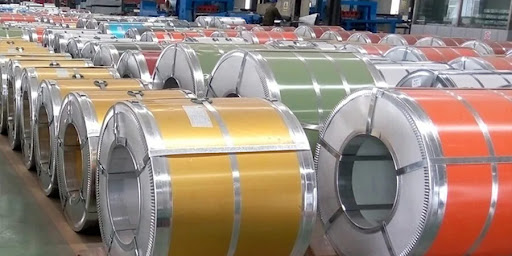
Steel manufacturers use various coating technologies to improve corrosion resistance and extend the lifespan of metal products. Among the most widely used methods are hot dip galvanizing and electrogalvanizing. While both processes apply zinc coatings to steel surfaces, they differ significantly in process design, coating characteristics, production efficiency, and industrial applications.
A modern hot dip galvanizing line is designed for heavy-duty corrosion protection and large-scale industrial production, whereas electrogalvanizing systems focus more on surface smoothness and precision coating control. Understanding the differences between these two technologies helps manufacturers select the most suitable process for their production requirements.
Table of Contents
ToggleOverview of Hot Dip Galvanizing
Hot dip galvanizing involves immersing steel into molten zinc at high temperatures. During this process, zinc reacts metallurgically with the steel surface to form multiple protective alloy layers.
The resulting coating is thick, durable, and highly resistant to corrosion. This method is commonly used for products exposed to outdoor or harsh industrial environments.
Typical applications include:
- Structural steel
- Pipes and tubes
- Roofing materials
- Highway barriers
- Industrial equipment
Hot dip galvanizing is widely valued for its long service life and strong protective performance.
Overview of Electrogalvanizing
Electrogalvanizing uses an electrochemical process instead of molten zinc immersion. In this method, zinc ions are deposited onto the steel surface through an electric current in an electrolyte solution.
The coating produced by electrogalvanizing is thinner and smoother compared to hot dip galvanized coatings. This makes the process suitable for applications where surface appearance and dimensional precision are important.
Electrogalvanized steel is commonly used in:
- Automotive body panels
- Consumer appliances
- Electronic enclosures
- Office furniture
- Precision metal components
The process offers excellent surface uniformity and paintability.
Coating Thickness and Corrosion Resistance
One of the major differences between the two systems is coating thickness.
Hot Dip Galvanizing
Hot dip galvanized coatings are generally thicker because steel is fully immersed in molten zinc. The thicker zinc layer provides superior protection against moisture, chemicals, and outdoor exposure.
This makes the process highly suitable for infrastructure and heavy industrial applications.
Electrogalvanizing
Electrogalvanized coatings are thinner and more controlled. While they provide moderate corrosion resistance, they are less durable in highly corrosive environments compared to hot dip galvanized coatings.
However, the thinner coating allows for smoother surfaces and better dimensional consistency.
Surface Finish and Appearance
Surface appearance is another important distinction between these technologies.
Hot dip galvanized steel often has a spangled or textured finish due to the crystallization of zinc during cooling. While modern process controls can improve surface quality, the finish is generally less smooth than electrogalvanized steel.
Electrogalvanizing produces a cleaner and more uniform surface. This is particularly beneficial for products requiring painting, decorative finishing, or visible exterior surfaces.
Production Process Differences
The equipment and operating conditions used in each system differ considerably.
Hot Dip Galvanizing Process
The process typically includes:
- Surface cleaning
- Annealing
- Flux treatment
- Molten zinc immersion
- Cooling and finishing
The steel passes through high-temperature zinc baths, requiring precise thermal and chemical control.
Electrogalvanizing Process
Electrogalvanizing systems use:
- Surface cleaning
- Electrolyte baths
- Electrical current application
- Rinsing and drying
The process operates at lower temperatures and relies heavily on electrical deposition technology.
Cost and Operational Efficiency
Hot dip galvanizing generally offers lower long-term maintenance costs because of its superior corrosion protection and longer product lifespan. It is often preferred for large structural applications where durability is critical.
Electrogalvanizing systems may involve higher operational complexity due to electrical control requirements and chemical management. However, they provide advantages in applications requiring precise coating thickness and improved aesthetics.
The choice between the two methods depends largely on product requirements, environmental exposure, and budget considerations.
Industrial Applications Comparison
Different industries select galvanizing methods based on performance needs.
Industries Favoring Hot Dip Galvanizing
- Construction and infrastructure
- Agriculture
- Energy transmission
- Transportation equipment
- Outdoor industrial structures
Industries Favoring Electrogalvanizing
- Automotive manufacturing
- Electronics production
- Home appliances
- Precision engineering
- Decorative metal products
Each process serves distinct industrial demands and performance expectations.
Choosing the Right Galvanizing System
Manufacturers must evaluate several factors before selecting a galvanizing process, including:
- Required corrosion resistance
- Surface finish expectations
- Product application environment
- Production volume
- Cost efficiency
Hot dip galvanizing remains the preferred choice for heavy-duty corrosion protection and long-term outdoor performance. Electrogalvanizing, on the other hand, offers advantages where surface smoothness and precise coating control are priorities.
As industrial technology continues to evolve, both galvanizing systems are expected to improve further through automation, energy-efficient equipment, and advanced quality control technologies.




More Stories
Long-Term Value of Investing in KingKonree Wudu Sink Systems
Muslim Basin Features That Enhance Comfort and Convenience
Find a Laundromat Near You for Easy, Stress-Free Laundry