

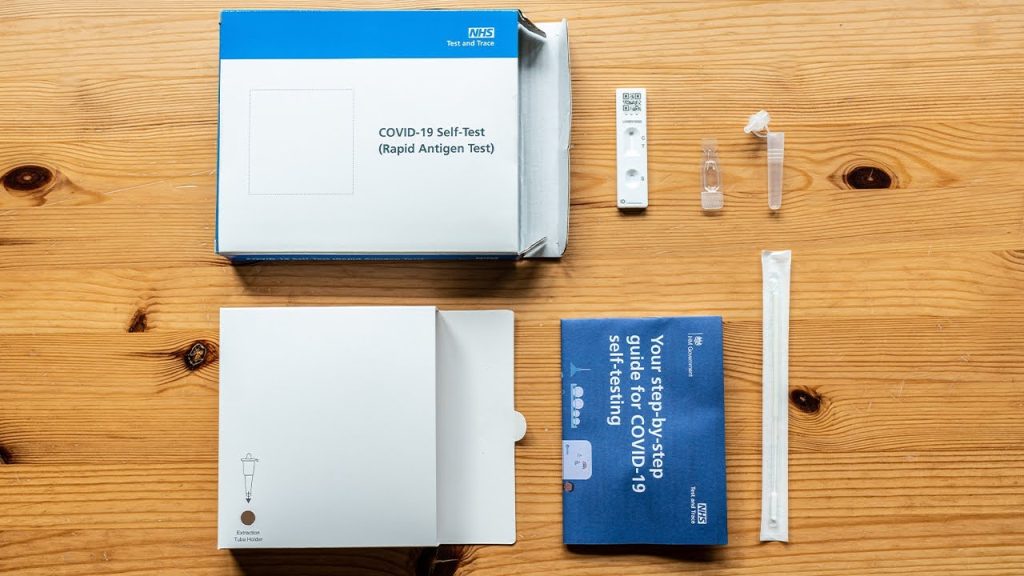
At-home COVID-19 testing has made it easier for people to check for possible infection without immediately visiting a healthcare facility. These tests offer convenience and can help individuals make informed decisions about work, travel, family activities, and contact with others. Understanding how self-testing works, when to use a test, and how to interpret its results is essential for getting the most reliable information.
A COVID-19 Self Test allows individuals to collect a specimen and perform a diagnostic procedure at home by following the manufacturer’s instructions. Most widely used home tests are rapid antigen tests that detect specific proteins associated with the virus. Although they can provide results quickly, their accuracy depends on factors such as infection stage, sample quality, correct handling, and adherence to the testing procedure.
What Is a COVID-19 Self-Test?
A COVID-19 self-test is a diagnostic product designed for use by individuals outside a professional laboratory or healthcare setting. Many home testing kits use antigen detection technology to identify proteins from SARS-CoV-2, the virus responsible for COVID-19.
These tests commonly include a collection swab, a test device, an extraction solution, and instructions for use. Some products may have slightly different components or procedures, so users should always check the specific kit supplied.
Self-tests are useful because they can provide an initial indication of infection without requiring specialized laboratory equipment. However, they do not replace professional medical evaluation when symptoms are severe or additional testing is necessary.
How Do At-Home COVID-19 Tests Work?
Most rapid home COVID-19 tests detect viral antigens in a respiratory specimen. The test device contains materials designed to react with the target proteins if they are present in the collected sample.
The process generally involves several stages:
- Specimen collection: A nasal swab is used to collect a sample according to the kit’s instructions.
- Sample preparation: The swab may be mixed with an extraction buffer to release detectable material.
- Test application: The prepared sample is added to the designated area of the test device.
- Reaction period: The device is left undisturbed for the specified amount of time.
- Result interpretation: The visible lines or other indicators are assessed according to the manufacturer’s guidance.
The time required varies by product. Reading the result too early or after the permitted time window can lead to incorrect interpretation.
Step-by-Step Guide to Performing a COVID-19 Self-Test
Correct testing technique is essential for obtaining a useful result. Before starting, users should read the complete instructions and check that the kit is within its expiration date.
1. Prepare the Testing Area
Choose a clean, dry surface with enough space to organize the test components. Wash and dry your hands before handling the kit.
Check that all required materials are present and that the packaging is intact. Do not use a damaged or expired test.
2. Collect the Sample Correctly
Most home antigen tests require a nasal specimen. Carefully follow the instructions regarding swab insertion depth, rotation, and the number of movements required.
Avoid touching the swab tip or placing it on an unclean surface. Poor collection technique may reduce the amount of material available for detection.
3. Prepare and Apply the Sample
If the kit includes an extraction tube and solution, follow the specified mixing procedure. The instructions may require rotating or squeezing the swab in the solution before removing it.
Add the recommended number of drops to the test device. Applying too much or too little sample can affect the result.
4. Wait for the Required Time
Place the test device on a level surface and allow the reaction to develop for the period stated by the manufacturer.
Do not move the device unnecessarily or interpret the result outside the approved reading window.
5. Read and Record the Result
Check the control indicator first. It confirms whether the test has functioned properly.
Then interpret the test indicator according to the supplied diagram. If the control indicator does not appear, the result is generally invalid, and a new test should be performed using an unused kit.
Understanding COVID-19 Self-Test Results
Rapid antigen tests generally produce one of three outcomes: positive, negative, or invalid.
Positive Result
A positive result usually indicates that viral antigens associated with SARS-CoV-2 have been detected in the specimen.
Individuals should follow current local public health guidance, take precautions to reduce transmission, and consider contacting a healthcare professional for advice based on their symptoms and circumstances.
Negative Result
A negative result means that the test did not detect enough target antigen to produce a positive reading at the time of testing.
It does not completely rule out infection. Viral levels may be too low to detect, particularly during the early stages of infection or when the specimen has not been collected properly.
People with symptoms or a known exposure may need repeat testing or a molecular test, depending on current recommendations and clinical advice.
Invalid Result
An invalid result means that the test did not produce the required control indicator or otherwise failed to meet the manufacturer’s interpretation criteria.
Users should not treat an invalid result as either positive or negative. A fresh test should be used according to the instructions.
How Accurate Are COVID-19 Self-Tests?
The accuracy of an at-home COVID-19 test depends on several performance characteristics. Two important measures are sensitivity and specificity.
Sensitivity describes how effectively a test identifies people who have the infection according to the reference classification. Lower sensitivity can result in more false-negative results.
Specificity describes how effectively a test identifies people who do not have the infection. Lower specificity can lead to more false-positive results.
Rapid antigen tests are generally less sensitive than molecular tests, such as PCR, particularly when viral levels are low. However, antigen tests offer the advantage of faster results and convenient home use.
Accuracy figures can vary between products and study populations. Users should review the performance information provided with the specific test rather than assuming all products have identical capabilities.
Factors That Can Affect Test Reliability
Several factors may influence whether an at-home COVID-19 test produces a dependable result.
Timing of Testing
Testing too early after exposure may produce a negative result because the amount of viral antigen has not yet reached the detection threshold.
The appropriate testing schedule depends on symptoms, exposure circumstances, product instructions, and current public health recommendations.
Sample Collection Quality
Insufficient contact with the required sampling area may result in an inadequate specimen. Following the recommended swabbing technique is therefore essential.
Storage Conditions
Extreme temperatures, moisture, and improper storage can affect test components. Kits should be stored within the temperature range specified by the manufacturer.
Expiration Date
Reagents and other test components may lose performance over time. Always check the expiration date and any updated instructions supplied with the product.
User Interpretation
Misreading faint lines, ignoring the control indicator, or checking results outside the recommended time window can lead to mistakes. Reviewing the interpretation guide before testing can help prevent confusion.
When Should You Consider Repeat or Confirmatory Testing?
A single negative antigen test may not be sufficient in every situation.
Repeat testing can help improve the chance of detecting an infection that was not identifiable during the first test. Follow the testing schedule provided by the product manufacturer and current public health guidance.
Molecular testing may also be recommended when:
- Symptoms strongly suggest COVID-19 despite a negative antigen result.
- A healthcare professional needs more definitive diagnostic information.
- The test result conflicts with the person’s clinical condition.
- Testing is required for a specific medical or public health purpose.
People experiencing severe symptoms, including difficulty breathing or persistent chest pain, should seek urgent medical attention rather than relying on repeated home testing.
Benefits and Limitations of Home COVID-19 Testing
At-home testing offers several practical advantages, but users should understand its limitations.
Main Benefits
- Convenience: Testing can be completed at home without a routine laboratory visit.
- Fast results: Many antigen tests provide results within a short period.
- Accessibility: Home testing can support initial screening when professional testing is not immediately available.
- Privacy: Individuals can perform the procedure in a familiar personal environment.
- Practical monitoring: Repeat testing may help identify infection over time when used according to applicable guidance.
Important Limitations
- Antigen tests may miss infections when viral levels are low.
- Incorrect sample collection can affect reliability.
- Different products have different performance characteristics.
- A negative result does not guarantee that a person is free of infection.
- Some situations require professional assessment or laboratory confirmation.
Understanding both sides helps users make better decisions about when and how to use self-testing.
Tips for Safe and Responsible Home Testing
A few straightforward practices can improve the testing experience and reduce avoidable errors.
- Purchase tests from reputable suppliers and check that they are authorized for the intended market.
- Read the instructions completely before opening the kit.
- Check the expiration date and packaging condition.
- Follow the specified sample collection and preparation steps.
- Use the exact number of drops and wait the required time.
- Interpret the result only within the stated reading window.
- Dispose of used components according to the product instructions and local waste guidance.
- Seek professional advice when results are unclear or symptoms are concerning.
These measures support more consistent testing and help users understand what their results can and cannot establish.
Conclusion
COVID-19 self-testing provides a convenient way to check for possible infection and obtain rapid preliminary results at home. Its usefulness depends on selecting an appropriate test, collecting the specimen correctly, following the manufacturer’s procedure, and interpreting the result within the specified time.
Although rapid antigen tests offer practical advantages, they can produce false-negative results, particularly when viral levels are low. Repeat testing or molecular confirmation may be appropriate in certain circumstances. By understanding test procedures, performance limitations, and responsible follow-up practices, individuals can use home COVID-19 testing more effectively and make better-informed health decisions.
About Post Author




More Stories
Improving Biomarker Measurement Through Advanced Chemiluminescence Quantification Methods
How Silica Column RNA Extraction Kits Deliver Efficient and High-Purity RNA Isolation
Why Choosing the Best Hospital near Berhampur Matters for Timely Medical Care