

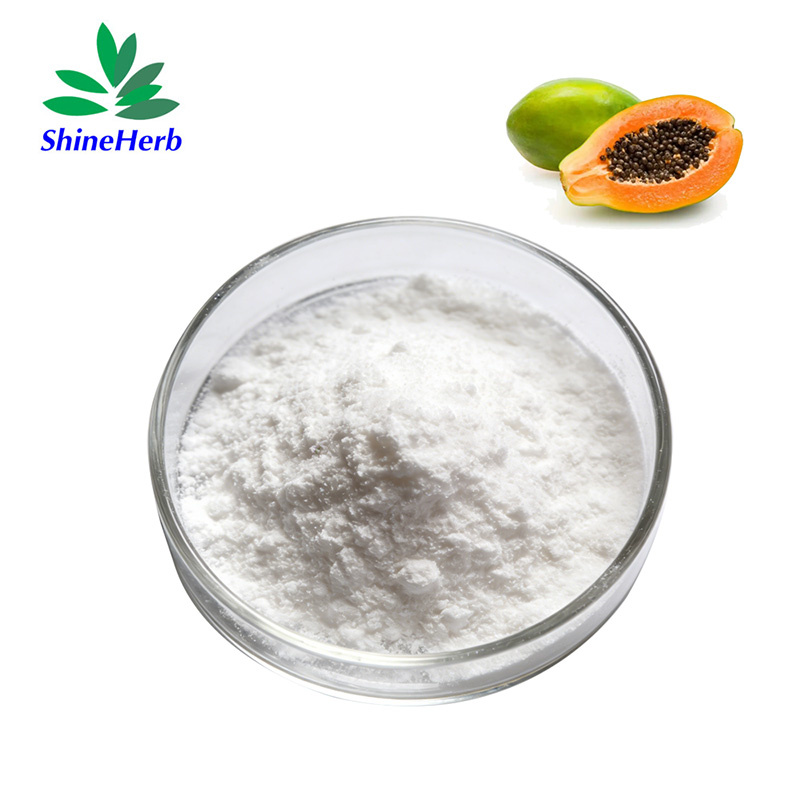
Enzyme ingredients derived from natural sources are used in various food-processing and ingredient-development activities. Their functional properties are often related to the biochemical reactions they catalyze, making them useful when manufacturers need to modify certain characteristics of raw materials or formulations. Papain is a proteolytic enzyme associated with papaya and is commercially available in powder preparations for selected applications.
For businesses assessing Natural Papain Enzyme Powder, the important considerations include enzyme activity, preparation characteristics, processing suitability, quality specifications, and storage requirements. Understanding these factors allows manufacturers to evaluate the ingredient based on its intended function rather than relying only on its natural-source description.
Source and Functional Characteristics
Papain is a protease associated with papaya materials. Its enzymatic function involves catalyzing protein hydrolysis, which can break proteins into smaller peptides under suitable conditions.
Commercial preparations may differ in activity, composition, physical characteristics, and production methods. The term natural does not automatically establish a specific activity level, purity, or processing performance. Manufacturers should review the supplier’s specification and documentation to understand the actual preparation.
The enzyme’s function depends on the processing environment. Temperature, pH, substrate characteristics, dosage, and reaction time can all influence the outcome.
Meat Processing Applications
Papain is used in certain meat-processing applications involving proteolytic activity and texture modification. The enzyme may contribute to protein breakdown when applied under suitable conditions.
Processing control is essential because excessive hydrolysis may produce undesirable texture characteristics. Manufacturers should establish appropriate treatment conditions through trials using the intended meat material.
Testing can evaluate texture, sensory characteristics, processing consistency, and other product-quality factors. The results should be documented so that production staff can follow an established procedure.
Protein Ingredient Development
Papain may also be considered in protein-processing applications where hydrolysis is relevant to ingredient development. Protein breakdown can influence properties such as solubility, texture, and functional behavior, depending on the substrate and processing conditions.
Developers should identify the desired characteristics of the resulting ingredient before selecting treatment parameters. Pilot trials can examine different enzyme levels, temperatures, reaction durations, and pH conditions.
The complete formulation should be evaluated because the resulting properties may depend on the interactions between hydrolyzed proteins and other ingredients.
Quality Specifications
Ingredient quality should be assessed using a defined specification. Relevant parameters may include product identity, enzyme activity, moisture, physical characteristics, microbiological criteria, and additional requirements appropriate to the intended use.
Activity should be interpreted according to the supplier’s analytical method. Manufacturers should avoid comparing different preparations solely by powder weight or general product descriptions.
Certificates of analysis should be checked against the approved specification. Additional documents may include safety data, origin information, allergen statements, and relevant manufacturing or certification records.
Formulation Compatibility
Papain’s proteolytic properties may affect proteins in the food matrix. Manufacturers should consider whether enzyme activity could influence the texture, structure, or other characteristics of the finished product.
Ingredient addition sequence, mixing, temperature, holding time, and downstream processing may all be relevant. The appropriate conditions depend on the application and should be established through testing.
If a product contains other ingredients that may interact with the enzyme or the hydrolyzed material, the formulation should be evaluated as a whole.
Handling and Storage
Powder preparations should be handled and stored according to the supplier’s instructions. Packaging integrity, moisture exposure, temperature conditions, and storage duration may influence product quality.
Manufacturers should keep containers properly sealed, use suitable warehouse conditions, maintain batch traceability, and apply inventory rotation. Dispensing procedures should minimize contamination and material mix-ups.
Commercial Sourcing Considerations
Purchasing teams should evaluate supplier quality systems, batch documentation, lead times, packaging, technical support, and commercial terms. A suitable supplier should provide clear information and maintain communication regarding availability and relevant changes.
Using Papain With Confidence
Natural papain enzyme powder offers functional possibilities for food processing and ingredient development, but successful use depends on careful evaluation. Manufacturers should combine specification review, application trials, quality control, storage management, and regulatory assessment to determine whether the preparation meets their requirements.
This approach supports more predictable processing and responsible ingredient selection while helping businesses maintain consistent manufacturing practices.
About Post Author




More Stories
Tationil and Glutathione: A Closer Look at the Science Behind the Ingredient
What Does It Mean When a Cat Tests Positive for Coronavirus?
Improving Biomarker Measurement Through Advanced Chemiluminescence Quantification Methods