

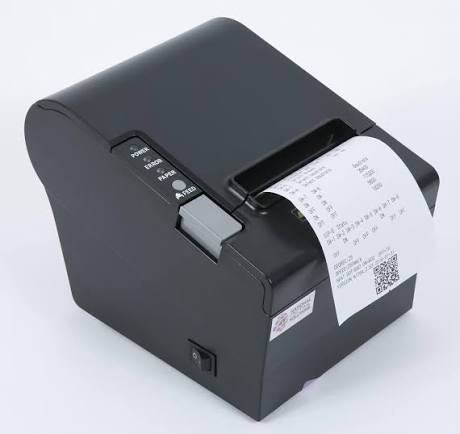
Small and medium-sized businesses need reliable equipment to manage daily transactions, serve customers efficiently, and control operating expenses. Whether running a retail shop, café, pharmacy, supermarket, or service center, these businesses often process multiple transactions throughout the day. Printing clear receipts quickly is an important part of maintaining an organized checkout process.
Thermal printing technology has become a common choice because it offers fast output, straightforward operation, and relatively low maintenance requirements. A Thermal Receipt Printer can help smaller businesses handle everyday payment records without the additional costs and maintenance associated with traditional ink-based printing systems.
1. Lower Operating Costs
Cost management is a major concern for small and medium-sized businesses. Unlike traditional printers that require ink cartridges or toner, direct thermal receipt printers use heat-sensitive paper to produce printed information.
This eliminates the need to regularly purchase ink or toner supplies. Businesses can simplify their consumable purchasing process and focus on maintaining an adequate supply of compatible thermal paper.
Although thermal paper still represents an ongoing expense, the reduced need for additional printing materials can make thermal printing an economical option for businesses with frequent receipt requirements.
2. Fast Printing for Busy Checkout Counters
Customer waiting time can influence the overall shopping experience. During busy periods, slow receipt printing may create delays at checkout counters and affect transaction flow.
Thermal printers are designed to produce receipts quickly. Their direct printing process does not require ink application or toner transfer, allowing many models to handle routine transaction printing efficiently.
This speed is particularly useful for:
- Retail stores with frequent customer purchases.
- Restaurants processing orders and payments.
- Supermarkets managing busy checkout lanes.
- Convenience stores operating throughout the day.
- Service businesses issuing transaction records.
Faster receipt production helps employees complete payment procedures without unnecessary interruptions.
3. Simple Installation and Operation
Small businesses may not have dedicated IT departments or technical staff to manage complicated equipment. Therefore, printers that are easy to install and operate are especially valuable.
Many thermal receipt printers feature straightforward paper-loading mechanisms, simple control buttons, and user-friendly configuration options.
Once connected to a compatible point-of-sale system, they can print transaction details automatically through the relevant software.
This makes them suitable for businesses that want to introduce receipt printing without managing a complicated printing setup.
4. Compact Designs for Limited Workspace
Space is often limited in small retail shops, cafés, and service counters. Large office printers can occupy valuable counter space and make checkout areas less organized.
Many thermal receipt printers feature compact designs that fit comfortably into smaller work environments.
Depending on the model, businesses can place them beside cash registers, integrate them into POS stations, or use mobile versions for flexible service arrangements.
A smaller printer footprint can help maintain an organized counter while leaving sufficient room for payment terminals, scanners, and other equipment.
5. Reduced Maintenance Requirements
Traditional printing systems may require regular cartridge replacement, toner management, and maintenance of several internal components.
Direct thermal printers have a relatively simple printing mechanism because they do not use ink cartridges or toner. This can reduce the number of routine maintenance tasks required for everyday operation.
However, thermal printers still need proper care. Printheads, rollers, paper sensors, and cutters should be inspected and cleaned according to manufacturer recommendations.
Using compatible paper and following basic maintenance procedures can help maintain consistent printing performance.
6. Easy Integration With Point-of-Sale Systems
Modern small businesses increasingly depend on POS software to manage sales, inventory, payments, and customer transactions.
Thermal receipt printers can connect with compatible POS systems through different interfaces, including USB, Ethernet, Bluetooth, and serial connections. Available options vary by printer model.
This connectivity allows businesses to select equipment that matches their existing checkout setup.
Integration can support automatic receipt printing after transactions, reducing the need for employees to enter information manually. It can also help keep payment records consistent across different business processes.
7. Reliable Printing for Everyday Transactions
Small and medium-sized businesses often need equipment that can operate consistently throughout the working day.
Thermal receipt printers are commonly used for routine transaction documents because their printing process is designed for repeated, short-format output.
When businesses select an appropriate model and maintain it properly, they can support daily printing requirements across different operating environments.
Reliability depends on several factors, including printhead quality, paper compatibility, operating conditions, and maintenance practices. Selecting a printer that matches the expected transaction volume is therefore important.
8. Clear and Readable Receipts
Receipts provide customers with important information about their purchases and payments. They may include product descriptions, prices, tax details, transaction numbers, payment methods, and business information.
Thermal printers can produce sharp text and recognizable graphics when their resolution, settings, and paper quality are suitable.
Clear receipts help customers verify transactions and give businesses useful documentation for returns, exchanges, and accounting.
Some models also support barcode and QR code printing, which can be useful for loyalty programs, digital payment references, and transaction verification.
9. Suitable for Different Business Industries
One reason thermal receipt printers are popular is their versatility. They are not limited to traditional retail checkout counters.
Different types of small and medium-sized businesses use thermal printing for specific operational requirements.
Retail Stores
Retailers use receipt printers to provide purchase records, display transaction details, and support return procedures.
Restaurants and Cafés
Food businesses use thermal printers for customer receipts, kitchen orders, and order-status documentation, depending on the printer type and system configuration.
Pharmacies
Pharmacies can use receipt printers to produce purchase records and payment information for customers.
Convenience Stores
These businesses often process frequent, smaller transactions, making fast receipt production useful for maintaining checkout efficiency.
Salons and Service Centers
Service providers use thermal printers to issue payment receipts, appointment-related documents, and transaction summaries.
The variety of applications makes thermal printing a practical option for businesses with different operating models.
10. Flexible Connectivity Options
Different businesses have different technical requirements. A small shop may use a basic USB connection, while a restaurant or larger retail operation may need network connectivity.
Modern thermal receipt printers offer various connection options, depending on the model.
- USB: Suitable for direct connections to compatible computers and POS terminals.
- Ethernet: Useful for network-based installations and shared printing environments.
- Bluetooth: Supports wireless connections with compatible mobile devices.
- Serial: Available for certain legacy systems and specialized equipment.
Choosing the appropriate interface helps businesses integrate printing equipment with their existing technology and avoid unnecessary configuration difficulties.
11. Support for Mobile and Flexible Business Operations
Not every small business operates from a fixed checkout counter. Food delivery services, outdoor vendors, market stalls, and mobile service providers may need to print receipts in different locations.
Portable thermal receipt printers can support these working arrangements.
Many mobile models are lightweight and use rechargeable batteries and wireless connectivity. This allows employees to print receipts near customers instead of returning to a fixed workstation.
Businesses should consider battery capacity, paper roll size, connection compatibility, and portability when selecting a mobile model.
12. Less Noise During Daily Operations
The working environment can influence customer comfort, particularly in restaurants, cafés, clinics, and smaller retail spaces.
Thermal printing generally operates more quietly than traditional impact printing because it does not use a printhead that mechanically strikes an ink ribbon against paper.
This can help reduce unnecessary noise around customer-facing counters.
Quiet operation may be especially useful in environments where employees need to communicate with customers or where several devices operate in the same workspace.
13. Easier Paper Replacement and Supply Management
Thermal receipt printers usually use paper rolls that can be replaced through a straightforward loading process.
Many models feature drop-in paper compartments that allow employees to install a new roll without complicated procedures.
This is useful for businesses where staff members handle multiple responsibilities and need to replace paper quickly during busy periods.
To maintain reliable operation, businesses should purchase paper that matches the printer’s supported width, roll diameter, core size, and thickness. Keeping spare rolls available also helps prevent interruptions during working hours.
14. Better Checkout Organization and Customer Service
A well-organized checkout process helps employees complete transactions more efficiently. Thermal receipt printers contribute to this process by producing transaction records directly from compatible POS systems.
When properly configured, they can reduce manual work and help employees focus on customer service.
Receipts also provide customers with a convenient way to review purchases, confirm payment amounts, and keep records for personal or business use.
For businesses that offer returns, warranties, or loyalty programs, printed transaction information can support additional customer service activities.
15. Important Factors to Consider Before Buying
Although thermal receipt printers offer several advantages, businesses should select equipment based on their actual operating requirements.
Important factors include:
- Printing speed: Choose a model capable of handling the expected number of daily transactions.
- Print resolution: Consider whether receipts require standard text, detailed graphics, barcodes, or QR codes.
- Paper compatibility: Check supported paper widths, roll diameters, and paper specifications.
- Connectivity: Ensure the printer supports the interfaces available on existing POS devices.
- Printer dimensions: Select a size that fits the available workspace.
- Operating durability: Evaluate the printer’s suitability for the expected workload.
- Software compatibility: Confirm that drivers and command languages work with the intended POS system.
- Maintenance requirements: Review cleaning procedures, replacement parts, and technical support availability.
Comparing these specifications helps businesses avoid purchasing equipment that does not match their daily needs.
16. The Long-Term Value of Thermal Receipt Printing
The value of a thermal receipt printer extends beyond its initial purchase price. Businesses should also consider consumable expenses, maintenance requirements, equipment lifespan, and operational efficiency.
A suitable printer can support consistent transaction processing while reducing the need for ink and toner supplies.
However, long-term performance depends on selecting the right equipment, using compatible thermal paper, maintaining the printhead, and operating the printer within its recommended limits.
For growing businesses, choosing equipment that can accommodate future transaction volumes may also reduce the need for frequent upgrades.
Conclusion
Thermal receipt printers are popular among small and medium-sized businesses because they combine fast printing, straightforward operation, compact designs, and relatively simple maintenance. Their ability to integrate with modern POS systems makes them useful across retail, hospitality, food services, and many other industries.
By reducing the need for ink and toner, supporting different connectivity options, and producing clear transaction records, thermal printing can help businesses manage everyday checkout activities more efficiently.
The most suitable printer depends on transaction volume, workspace, paper requirements, connectivity, and software compatibility. Evaluating these factors carefully allows businesses to choose a practical printing solution that supports their daily operations and future growth.
About Post Author




More Stories
Cowboy Hat Plush Designs for Unique and Playful Fashion Looks
Exploring Color, Texture, and Finish Options in KKR Solid Surface Materials
How KingKonree Supports Architects and Designers with Custom Bathroom Solutions