

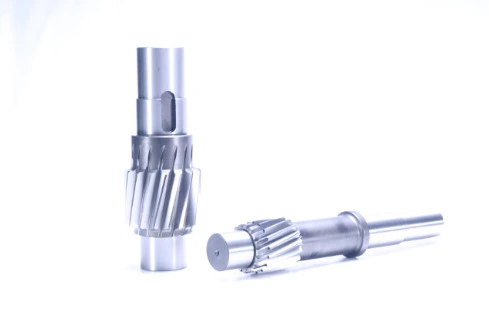
A vehicle’s starting system must deliver a brief but substantial burst of mechanical power to turn the engine until combustion becomes self-sustaining. Although the starter operates for a relatively short period, its components experience high forces during engagement and acceleration. The shaft is central to this process because it supports rotating elements and helps transfer torque through the starter mechanism.
The Starter Motor Shaft works within an assembly that may include an electric motor, reduction gears, an engagement mechanism, and a pinion that meshes with the engine’s ring gear. Its design must suit the starter’s speed, torque, packaging, and engagement requirements. Understanding its function helps explain why shaft dimensions, material quality, and accurate manufacturing matter in automotive starting systems.
The Starter’s Operating Sequence
When the driver activates the starting system, electrical power is supplied to the starter motor through a control circuit. Depending on the starter design, an engagement mechanism moves the pinion into position so that it meshes with the engine’s ring gear. The motor then turns the pinion, rotating the engine crankshaft.
Once the engine starts, the starter must disengage. An overrunning clutch or another protective arrangement helps prevent the running engine from driving the starter at excessive speed. The shaft must operate reliably through this engagement and disengagement cycle.
Shaft Function and Configuration
Starter designs vary by vehicle and manufacturer. Some use direct-drive arrangements, while many modern starters incorporate reduction gearing to produce higher output torque from a compact electric motor. The shaft may support the motor armature, transmit rotation to gears, or form part of the output mechanism.
Its dimensions must match the bearing supports, gear interfaces, and retaining features. Depending on the design, the shaft may include splines, shoulders, grooves, flats, or other machined details. These features must be positioned accurately to ensure correct engagement and controlled movement.
Material Strength and Durability
Starter shafts face repeated acceleration and torque loading. The selected material must resist torsional stress, bending, and fatigue while remaining suitable for the required manufacturing processes. Steel is commonly used because of its mechanical properties and availability in suitable grades.
Heat treatment may be applied to improve strength or wear resistance in selected areas. The process must be controlled so that the shaft retains the required toughness and dimensional accuracy. Excessive hardness can be undesirable if it reduces resistance to impact or makes the component vulnerable to cracking.
Precision of Splines and Gear Interfaces
Where the starter design uses splines or gear connections, the interface must engage smoothly and transmit torque without excessive clearance. Incorrect tooth geometry or poor alignment can cause uneven contact, noise, and accelerated wear.
The shaft’s concentricity is also important. A shaft that runs out of true may increase vibration or cause the pinion and gears to operate unevenly. Bearing seats, shoulders, and gear mounting surfaces must therefore be manufactured to the specified tolerances.
Typical Automotive Applications
Starter motor shafts are used in passenger cars, commercial vehicles, light trucks, agricultural vehicles, and other engine-powered equipment. Their configurations differ according to engine displacement, starting torque, electrical system, and available installation space.
Heavy-duty vehicles may require starters designed for higher cranking demands and more severe duty cycles. Stop-start vehicles can subject starting components to more frequent operation, making durability and thermal management especially important. The shaft must be selected as part of the complete starter design rather than as an isolated replacement dimension.
Failure Symptoms and Inspection
A damaged shaft may contribute to unusual starter noise, poor gear engagement, excessive vibration, or failure to crank the engine correctly. However, similar symptoms can also arise from a weak battery, faulty solenoid, worn pinion, damaged ring gear, or electrical connection problems.
Inspection should therefore examine the complete starter assembly. The shaft should be checked for wear, scoring, bending, damaged splines, corrosion, and excessive play. Bearing condition and gear engagement should also be assessed before deciding whether replacement is necessary.
Manufacturing and Quality Control
Production may include turning, milling, spline forming, heat treatment, grinding, and final inspection. Critical dimensions should be verified against the starter manufacturer’s specification. Material traceability and process control are valuable where the component is produced for automotive service.
Conclusion
The starter motor shaft is a small but essential part of a vehicle’s starting system. It must support rotating components, transmit torque, and maintain accurate engagement through repeated operating cycles. Suitable steel, precise interfaces, controlled heat treatment, and thorough inspection help ensure dependable starting performance across a wide range of automotive applications.
About Post Author





More Stories
Cowboy Hat Plush Designs for Unique and Playful Fashion Looks
Exploring Color, Texture, and Finish Options in KKR Solid Surface Materials
How KingKonree Supports Architects and Designers with Custom Bathroom Solutions