

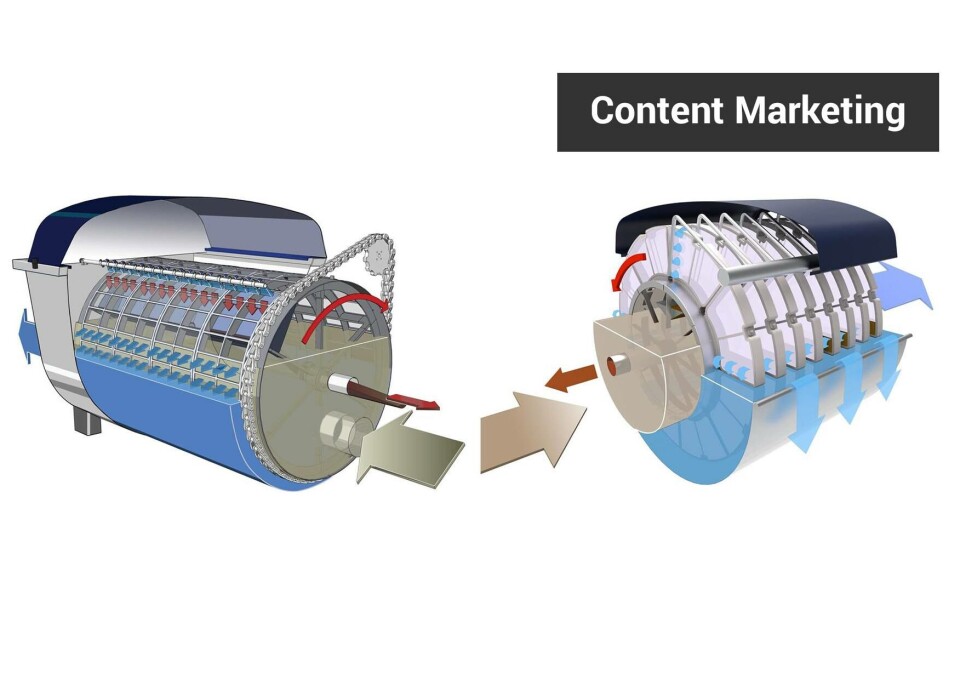
Industrial processes often generate mixtures of liquids and solid materials that require efficient separation before further processing, reuse, or disposal. Industries such as mining, chemical manufacturing, pharmaceuticals, food processing, and wastewater treatment depend on reliable solid-liquid separation equipment to maintain productivity and manage waste. Selecting the right filtration technology can improve process efficiency, reduce manual handling, and support consistent product quality.
A Vacuum Drum Filter is a continuous filtration system designed to separate suspended solids from liquids using a rotating cylindrical drum and vacuum pressure. As the drum rotates through a liquid slurry, the vacuum draws liquid through a filter medium while retaining solid particles on the drum surface. The collected solids are then partially dewatered and removed through a suitable discharge mechanism. This continuous operating process makes vacuum drum filters useful in industrial applications that require consistent filtration and high processing capacity.
What Is a Vacuum Drum Filter?
A vacuum drum filter is an industrial filtration machine that uses a rotating drum, filter cloth, and vacuum system to separate solids from a liquid mixture. It is commonly used when a process generates slurry containing suspended particles that need to be recovered or removed.
The drum is partially immersed in a tank containing the slurry. Its outer surface is covered with a suitable filter medium, which allows liquid to pass through while retaining solid particles. As the drum rotates, different sections move through filtration, dewatering, cake discharge, and filter cloth cleaning stages.
The separated liquid, known as filtrate, is collected through an internal drainage system. Meanwhile, the retained solids form a layer called filter cake, which is removed before the drum begins another filtration cycle.
Main Components of a Vacuum Drum Filter
Understanding the main components helps explain how the equipment performs continuous filtration.
1. Rotating Drum
The rotating drum is the central component of the system. It provides the filtration surface and moves the filter medium through different operating stages.
2. Filter Cloth or Media
The filter cloth covers the drum and retains solid particles while allowing liquid to pass through. Its material and filtration characteristics are selected according to the slurry composition and required separation performance.
3. Vacuum System
A vacuum pump or other suitable vacuum-generating equipment creates the pressure difference needed to draw liquid through the filter medium.
4. Slurry Tank
The slurry tank holds the liquid-solid mixture and keeps the drum partially submerged during operation.
5. Filtrate Collection System
Liquid passing through the filter cloth enters the drum’s internal drainage channels. It is then directed through the filtrate collection arrangement for discharge or further processing.
6. Cake Discharge Mechanism
The discharge system removes the accumulated solid layer from the drum. Depending on the design, this may involve a scraper blade, belt, string discharge, or another suitable arrangement.
7. Drive Mechanism
A motor and gearbox rotate the drum at a controlled speed. The rotation rate influences filtration time, cake formation, and overall processing capacity.
How a Vacuum Drum Filter Works
A vacuum drum filter operates through a continuous sequence of filtration and solids removal stages.
1. Slurry Feeding
The process begins when the liquid-solid mixture enters the filter tank. The drum rotates through the slurry, bringing successive sections of the filter cloth into contact with the mixture.
Consistent slurry distribution helps maintain stable filtration conditions across the drum surface.
2. Vacuum Filtration
As a section of the drum becomes submerged, vacuum pressure draws liquid through the filter cloth and into the drum’s internal drainage system.
Solid particles remain on the outer surface, gradually forming a filter cake. The thickness and structure of this cake depend on particle size, slurry concentration, filter media, and operating conditions.
3. Cake Formation and Dewatering
As the drum rotates out of the slurry, vacuum continues to remove liquid from the accumulated solids.
This additional dewatering stage increases the solids concentration of the filter cake before discharge. The final moisture content depends on the material being filtered and the operating parameters of the equipment.
4. Filter Cake Discharge
The drum carries the partially dewatered cake toward the discharge area.
A scraper, belt, or other removal mechanism separates the cake from the filter cloth. The recovered solids can then be transported for further processing, storage, recovery, or disposal.
5. Filter Cloth Cleaning
After cake removal, the exposed filter medium may undergo washing or cleaning to remove residual particles.
This helps maintain filtration capacity and prepares the surface for another cycle.
6. Continuous Operation
The drum continues rotating, allowing different sections of its surface to perform filtration, dewatering, cake discharge, and cleaning simultaneously.
This arrangement enables continuous solid-liquid separation without requiring the entire filtration process to stop after each batch.
Key Benefits of Using a Vacuum Drum Filter
Vacuum drum filters offer several operational advantages for industrial facilities handling large volumes of slurry.
1. Continuous Filtration
Unlike batch filtration systems that require separate filling, filtration, and discharge cycles, a rotary vacuum drum filter operates continuously.
This makes it suitable for industrial processes where slurry is generated at a relatively steady rate and consistent solids separation is required.
2. Efficient Solid-Liquid Separation
The combination of filter media and vacuum pressure allows the system to separate suspended solids from liquid.
The filtration medium can be selected according to the particle characteristics and required filtrate quality, helping achieve suitable separation performance for different applications.
3. Partial Dewatering of Solids
Vacuum pressure continues removing liquid from the filter cake as the drum rotates out of the slurry.
This reduces the moisture content of the collected solids and can make subsequent handling, transportation, or processing easier.
4. Reduced Manual Handling
Automated drum rotation and cake discharge reduce the need for operators to manually handle each filtration cycle.
This can improve workplace efficiency and support more consistent production.
5. Adaptability to Different Industrial Processes
Vacuum drum filters can be configured with different filter media, discharge arrangements, and operating parameters.
This flexibility allows the technology to serve a wide range of slurry filtration requirements.
6. Consistent Processing Capacity
The rotating drum provides a continuous filtration surface, allowing the system to process slurry throughout its operating cycle.
When correctly sized, it can support steady production and reduce interruptions associated with manual filtration methods.
7. Potential for Material Recovery
In industries where suspended solids contain useful materials, filtration can support their recovery.
The collected filter cake may contain valuable minerals, chemical compounds, or process materials that can be returned to production or handled through a separate recovery process.
Industrial Applications of Vacuum Drum Filters
Vacuum drum filters are used across industries that require continuous filtration and partial dewatering of solid-liquid mixtures.
1. Mining and Mineral Processing
Mining operations generate large quantities of mineral slurry during washing, separation, and processing activities.
Vacuum drum filters can separate mineral particles from process water and produce a partially dewatered filter cake. The recovered solids may be directed toward additional processing, while the filtrate can be treated or reused where appropriate.
2. Chemical Manufacturing
Chemical production processes frequently involve suspensions containing precipitated solids, crystals, or other particulate materials.
Vacuum drum filtration can help separate these solids from the liquid phase. Filter media and equipment materials must be selected carefully to accommodate chemical properties, temperature, and corrosion risks.
3. Food and Beverage Processing
Food manufacturing generates various liquid-solid mixtures during ingredient preparation, extraction, and processing.
Vacuum drum filters may be used in suitable applications to separate suspended materials, recover process solids, and support liquid clarification. Hygienic design and appropriate cleaning procedures are particularly important in food-related operations.
4. Pharmaceutical Manufacturing
Some pharmaceutical production processes involve filtration of suspensions and recovery of solid materials.
Vacuum drum filtration may be appropriate for certain compatible processes, depending on product sensitivity, contamination control requirements, and regulatory standards. Not every pharmaceutical application is suitable for this equipment.
5. Pulp and Paper Industry
Pulp and paper manufacturing produces fiber-containing process streams that require separation and water management.
Vacuum filtration equipment can help recover fibers and separate water from suitable process suspensions, supporting material recovery and improved resource utilization.
6. Industrial Wastewater Treatment
Industrial wastewater may contain suspended solids generated during manufacturing, washing, and chemical treatment.
Vacuum drum filters can be used in compatible applications to separate solids from liquid streams. However, their suitability depends on sludge characteristics, particle size, cake formation behavior, and required moisture content.
7. Fertilizer Production
Fertilizer manufacturing may involve slurry containing crystals, precipitates, and other solid materials.
Vacuum drum filtration can support the separation and partial dewatering of suitable process solids before drying, packaging, or further treatment.
Factors to Consider When Selecting a Vacuum Drum Filter
Choosing the right equipment requires an understanding of the slurry and the production requirements.
1. Slurry Characteristics
The composition of the slurry directly affects filtration performance.
Important properties include:
- Solid particle size and distribution
- Suspended solids concentration
- Liquid viscosity
- Particle shape and density
- Chemical composition
- Temperature and pH
These characteristics help determine whether vacuum filtration is appropriate and which filter media should be used.
2. Required Filtration Capacity
The filter should accommodate the expected slurry flow and solids production rate.
Selection should account for normal and peak operating conditions, required production capacity, and the available filtration area.
3. Filter Media Selection
The filter cloth plays a major role in separation efficiency.
Its pore structure, permeability, material compatibility, and resistance to wear should match the slurry characteristics. The wrong filter medium may result in poor filtrate quality, reduced throughput, or frequent cleaning requirements.
4. Vacuum Pressure
The vacuum system must provide suitable pressure conditions for liquid removal and cake formation.
The required vacuum level depends on the slurry, filter medium, and desired dewatering performance. Excessive vacuum does not necessarily improve filtration and may increase energy consumption.
5. Drum Speed
Drum rotation speed determines how long each section of the filter surface remains in the different operating zones.
A suitable speed helps balance filtration time, cake thickness, moisture content, and overall processing capacity.
6. Cake Discharge Arrangement
Different solids require different discharge methods.
The selected mechanism should remove the cake reliably without damaging the filter cloth or causing excessive material buildup.
7. Construction Materials
Industrial slurries may contain abrasive particles, corrosive chemicals, or materials that operate at elevated temperatures.
The drum, tank, piping, and other components should use materials suitable for the operating environment to support durability and reduce maintenance requirements.
8. Maintenance and Operating Costs
Facilities should evaluate the energy requirements of the vacuum system, filter cloth replacement frequency, cleaning water consumption, and maintenance needs.
Considering these factors helps estimate the total cost of ownership rather than focusing only on the initial equipment price.
Maintenance Practices for Reliable Operation
Routine maintenance is essential for maintaining filtration performance and preventing unexpected equipment problems.
Recommended practices include:
- Inspect the filter cloth: Check for tears, wear, blinding, or material buildup that may reduce filtration efficiency.
- Monitor vacuum performance: Verify that the vacuum system maintains the required operating conditions.
- Check drum rotation: Inspect the motor, gearbox, bearings, and drive components for unusual vibration or wear.
- Clean the filtration surface: Ensure that washing systems remove residual solids effectively.
- Inspect the cake discharge mechanism: Confirm that scrapers, belts, or other components remove the filter cake properly.
- Check filtrate quality: Monitor the liquid leaving the system for signs of excessive suspended solids.
- Review operating parameters: Track drum speed, slurry feed rate, vacuum pressure, and cake moisture to identify changes in performance.
A planned maintenance schedule helps reduce downtime and supports consistent industrial operation.
Vacuum Drum Filter vs. Other Industrial Filtration Technologies
Different filtration technologies offer different advantages depending on the material being processed and the required separation results.
Vacuum Drum Filter vs. Filter Press
A filter press generally uses pressure to force liquid through filter cloths arranged in plates. It operates in batch cycles, with cake removal taking place after the filtration stage.
A vacuum drum filter uses a rotating surface to perform filtration and cake discharge continuously. It may be preferable for steady slurry streams, while filter presses can be suitable when higher cake dryness or batch processing is required.
Vacuum Drum Filter vs. Belt Filter
A vacuum belt filter uses a moving horizontal filter cloth to separate solids from liquid under vacuum.
A vacuum drum filter performs similar separation through a rotating cylindrical surface. The choice depends on slurry behavior, available space, cake discharge requirements, and process capacity.
Vacuum Drum Filter vs. Centrifuge
A centrifuge separates solids and liquids using centrifugal force rather than vacuum pressure.
Centrifuges can handle certain fine-particle and high-throughput applications, while vacuum drum filters may be suitable for slurries that form a stable filter cake. Equipment selection should be based on material testing and process requirements.
How Vacuum Drum Filtration Supports Industrial Efficiency
Efficient solid-liquid separation can improve several aspects of industrial production. By continuously removing liquid from slurry and producing a partially dewatered solid cake, vacuum drum filters can reduce the volume of material requiring further handling.
The recovered filtrate may also be suitable for reuse or additional treatment, depending on its quality and the process requirements. In applications involving valuable solids, filtration can support material recovery and reduce waste.
However, vacuum drum filtration is primarily a mechanical separation process. It does not automatically remove dissolved chemicals, microorganisms, or other contaminants that pass through the filter medium. Additional treatment may be necessary to meet specific product quality, process, or environmental requirements.
Conclusion
A vacuum drum filter is a continuous industrial filtration system that uses a rotating drum, filter medium, and vacuum pressure to separate solids from liquids. Its ability to combine filtration, partial dewatering, cake discharge, and filter cloth cleaning makes it useful in mining, chemical manufacturing, food processing, pulp and paper production, and suitable wastewater treatment applications.
Selecting the right system requires careful evaluation of slurry characteristics, filtration capacity, filter media, vacuum requirements, drum speed, and solids discharge arrangements. When properly designed and maintained, a vacuum drum filter can support reliable solid-liquid separation, improve material handling, and contribute to more efficient industrial operations.
About Post Author



More Stories
Why Tissue Culture Philodendron Is a Popular Choice for Commercial Plant Nurseries
Understanding the Artistic Techniques Behind Realistic Figurative Oil Painting
Understanding the Different Types of Case Erecting Machine Technology