

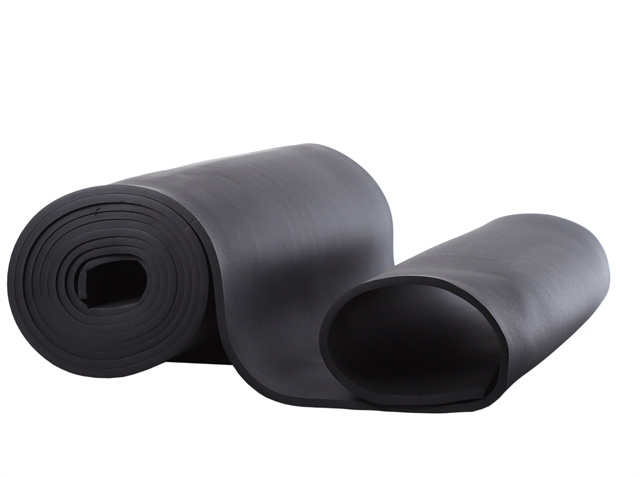
Modern heating, ventilation, and air conditioning systems require reliable insulation to maintain temperature stability and operate efficiently. Whether installed in residential buildings, commercial properties, or industrial facilities, HVAC systems rely on properly insulated pipes, ducts, and equipment to minimize unwanted heat transfer. Without suitable insulation, energy losses can increase, condensation may develop, and mechanical components may experience additional operating stress.
Among the available insulation options, Flex Insulation offers a versatile solution for applications that require flexibility, thermal resistance, and convenient installation. Its adaptable structure makes it suitable for different HVAC configurations, particularly where pipes, fittings, and equipment have complex shapes or limited installation space.
Understanding Flex Insulation
Flex insulation generally refers to flexible insulation materials designed to reduce heat transfer while adapting to different surfaces and equipment configurations.
Elastomeric rubber foam is one commonly used type of flexible insulation. It typically features a closed-cell structure that helps limit moisture penetration and provides thermal resistance.
These materials are available in different product forms, including:
- Flexible insulation tubes for pipes.
- Insulation sheets for equipment and surfaces.
- Insulation rolls for larger coverage areas.
- Preformed components for bends, valves, and fittings.
The appropriate format depends on the application, operating temperature, and installation requirements.
Why Flex Insulation Is Important in HVAC Systems
HVAC systems continuously transfer heated or cooled air and fluids throughout buildings. During this process, temperature differences between pipes, ducts, and surrounding environments can result in unwanted heat exchange.
Flexible insulation helps reduce these losses and supports more stable system operation.
1. Reducing Heat Transfer
One of the main purposes of HVAC insulation is to minimize unwanted heat movement.
In cooling systems, insulation helps prevent external heat from entering chilled water pipes and refrigeration lines. In heating systems, it helps retain thermal energy within hot water distribution networks.
This reduces unnecessary thermal losses and can contribute to improved equipment efficiency.
2. Supporting Condensation Control
Condensation is a common problem in air conditioning and chilled water installations.
It occurs when warm, humid air comes into contact with a surface below the surrounding air’s dew point. Moisture can then collect on cold pipes, potentially damaging nearby ceilings, walls, and equipment.
Closed-cell flexible rubber insulation helps resist water vapor penetration. When correctly installed with properly sealed joints, it can reduce the likelihood of condensation developing on insulated surfaces.
3. Improving Installation Flexibility
HVAC systems often include curved pipes, narrow connections, valves, and irregular equipment surfaces.
Rigid insulation products may require extensive cutting and shaping to accommodate these configurations.
Flexible insulation can adapt more easily to different shapes, helping installers achieve consistent coverage around complicated components.
4. Supporting Energy Conservation
Uninsulated HVAC components can contribute to unnecessary heating and cooling losses.
By reducing unwanted heat transfer, suitable insulation helps systems maintain their intended operating temperatures with less additional energy demand.
Actual savings depend on system design, insulation thickness, operating conditions, and installation quality.
Common Applications of Flex Insulation in HVAC Systems
Flexible insulation materials are used across various heating and cooling installations because of their adaptability.
Air Conditioning Pipework
Air conditioning systems contain refrigerant and chilled water lines that require thermal protection.
Flexible insulation tubes are commonly installed around suitable pipes to reduce heat gain and help prevent condensation.
Their flexibility makes them particularly useful for installations involving bends and connections.
Chilled Water Distribution
Commercial buildings frequently use chilled water systems to distribute cooling throughout different areas.
Insulating these pipelines helps reduce heat absorption from surrounding spaces and supports temperature stability.
Maintaining a continuous vapor barrier is especially important in these applications.
HVAC Ductwork
Duct systems transport conditioned air through buildings. Without suitable insulation, air temperatures can change during distribution.
Flexible insulation sheets and rolls can be used on appropriate duct surfaces to help reduce heat transfer and control condensation.
Heating Systems
Heating installations often distribute hot water through extensive pipe networks.
Flexible insulation tubes help reduce thermal losses from these pipes, allowing more heat to reach the intended locations.
Refrigeration Equipment
Commercial refrigeration and cold storage systems require dependable insulation to maintain low operating temperatures.
Flexible insulation can be used on suitable refrigeration pipes and equipment components to limit unwanted heat gain and moisture-related problems.
Key Benefits of Flexible Insulation Materials
The growing use of flexible insulation in HVAC installations is associated with several practical advantages.
Adaptability
Flexible materials can accommodate different pipe diameters, equipment shapes, and installation configurations.
This makes them suitable for both new construction and renovation projects.
Moisture Resistance
Closed-cell elastomeric insulation can provide resistance to water vapor movement, helping manage condensation in chilled systems.
Proper joint sealing remains necessary to maintain this protection.
Thermal Performance
Flexible insulation helps reduce heat transfer through pipes, ducts, and mechanical equipment.
This contributes to temperature stability and improved energy management.
Installation Convenience
Many flexible insulation products can be cut and shaped using standard installation techniques.
This can simplify work around complicated pipe networks and reduce the need for multiple rigid components.
Equipment Protection
By limiting temperature fluctuations and reducing condensation risks, suitable insulation can help protect mechanical systems and surrounding building materials.
Factors to Consider When Selecting Flex Insulation
Choosing the right insulation requires careful evaluation of the operating environment and technical requirements.
Thermal Conductivity
Thermal conductivity measures how easily heat passes through a material.
Lower thermal conductivity generally indicates better resistance to heat transfer. Comparing manufacturer specifications helps determine whether a product meets the application’s thermal requirements.
Thickness Requirements
Insulation thickness influences thermal resistance and condensation control.
The appropriate thickness depends on operating temperatures, surrounding humidity, ambient conditions, and pipe dimensions.
Temperature Range
Different insulation products are designed for different operating temperature ranges.
The selected material must be suitable for the minimum and maximum temperatures expected during normal system operation.
Water Vapor Resistance
For chilled water and refrigeration systems, water vapor resistance is an important consideration.
Products with suitable vapor resistance help reduce moisture penetration when installed as part of a properly sealed insulation system.
Fire Performance
Commercial and industrial construction projects may have specific fire performance requirements.
Contractors should review relevant product classifications and testing documentation before selecting insulation.
Environmental Exposure
Outdoor HVAC installations may experience sunlight, rain, temperature fluctuations, and mechanical damage.
Additional protective coverings may be necessary to maintain insulation durability under these conditions.
Flex Insulation Compared with Rigid Insulation
Flexible and rigid insulation products serve different purposes within HVAC systems.
Flexible insulation is particularly useful for pipes, curved surfaces, equipment connections, and areas where installation space is limited.
Rigid insulation boards are often selected for flat surfaces, building envelopes, and applications requiring structural stability.
The main differences include:
- Flexibility: Flexible insulation adapts to irregular shapes, while rigid products maintain a fixed structure.
- Installation: Flexible materials are generally easier to fit around bends and complex connections.
- Moisture management: Certain closed-cell flexible products provide useful water vapor resistance.
- Application: Rigid boards are commonly used for walls and large flat surfaces, while flexible products are frequently used in HVAC pipework and equipment insulation.
Neither option is universally better. The correct choice depends on the surface, operating conditions, and project specifications.
Best Practices for Installing Flexible HVAC Insulation
Correct installation is essential for maintaining consistent thermal performance.
Even suitable insulation can become ineffective when joints are poorly sealed or sections are incorrectly fitted.
Installers should follow several important practices:
- Clean and dry all surfaces before applying insulation.
- Measure pipes and equipment accurately.
- Select the appropriate insulation dimensions and thickness.
- Cut sections carefully to avoid unnecessary gaps.
- Use compatible adhesives and sealing accessories.
- Insulate bends, valves, and fittings where required.
- Avoid excessive compression or stretching of the material.
- Inspect completed installations for exposed surfaces and loose joints.
For chilled water systems, maintaining a continuous vapor barrier is particularly important to prevent moisture from entering the insulation.
Maintenance and Long-Term Performance
Regular maintenance helps ensure that flexible insulation continues to perform effectively throughout its service life.
Facility managers should inspect insulated pipes and equipment for cracks, damaged surfaces, loose joints, and signs of moisture accumulation.
Outdoor installations may require additional inspections because sunlight and changing weather conditions can affect exposed insulation materials.
Any damaged areas should be repaired or replaced using compatible products and recommended installation procedures.
Routine inspections are particularly valuable in commercial buildings and industrial facilities where HVAC systems operate for extended periods.
Conclusion
Flex insulation provides a versatile solution for improving thermal performance across modern HVAC systems. Its flexibility, thermal resistance, and moisture-management properties make it suitable for applications involving air conditioning pipes, chilled water networks, heating systems, refrigeration equipment, and selected duct installations.
Choosing the correct material requires consideration of thermal conductivity, thickness, operating temperature, moisture resistance, and fire performance.
When properly selected, installed, and maintained, flexible insulation can help reduce unwanted heat transfer, control condensation, and support more efficient HVAC operation. As buildings continue to prioritize energy conservation and reliable mechanical performance, flexible insulation remains an important component of modern HVAC design.
About Post Author




More Stories
Private Label Notebooks: How to Create Customized Stationery for Your Brand
Why Regular Audit Services Are Essential for Effective Risk Management
What Makes a Good O-Ring Seal Supplier for High-Performance Applications?