

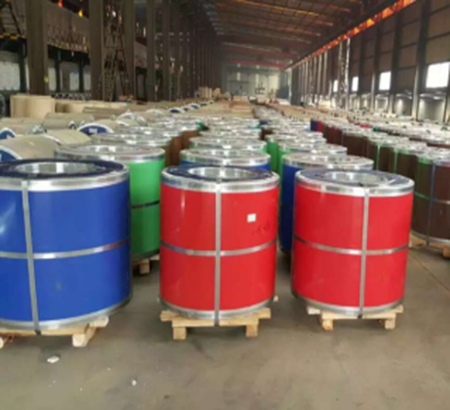
Prepainted galvanized steel coils are widely used in modern construction and manufacturing because they combine the strength of steel with the corrosion protection of zinc and the decorative benefits of a factory-applied paint finish. Their versatility makes them suitable for products that require consistent surface quality, reliable performance, and an attractive appearance. From roofing sheets to industrial panels, these coated materials support a broad range of commercial and industrial applications.
As industries increasingly focus on durable and efficient building materials, the demand for Prepainted Galvanized Steel Coil products continues to grow. These coils are manufactured through a controlled process in which galvanized steel is cleaned, chemically treated, primed, and coated with specialized paint. Understanding how this process works, how the coating protects the steel, and where the finished material is used can help buyers and manufacturers make informed decisions.
What Are Prepainted Galvanized Steel Coils?
Prepainted galvanized steel coils are flat steel products protected by a zinc coating and finished with one or more layers of organic paint. The underlying steel provides strength and structural support, while the zinc layer helps protect the metal from corrosion.
The paint system adds another protective barrier and provides the desired color, gloss, and surface texture. Since the coating is applied in a factory before the steel is fabricated into its final shape, manufacturers can achieve consistent finishes across large production batches.
These coils are commonly supplied in different thicknesses, widths, colors, and coating specifications to meet the requirements of construction, appliance manufacturing, and industrial fabrication.
Manufacturing Process of Prepainted Galvanized Steel Coils
Producing prepainted galvanized steel involves several stages. Each step contributes to the adhesion, appearance, and protective performance of the finished material.
1. Selection of the Steel Substrate
Manufacturing begins with selecting a suitable cold-rolled steel substrate. The required grade, thickness, width, and mechanical properties depend on the intended application.
The steel must have a consistent surface condition because irregularities can affect the quality of the subsequent metallic and paint coatings.
2. Hot-Dip Galvanizing
The steel strip passes through a molten zinc bath during the galvanizing process. A controlled zinc layer forms on the surface, providing protection against corrosion.
The coating weight is selected according to the product specification and the environmental conditions in which the finished steel will be used.
3. Surface Cleaning and Preparation
Before painting, the galvanized surface is cleaned to remove oil, dust, and other contaminants.
Chemical pretreatment may then be applied to improve paint adhesion and support corrosion resistance. Proper surface preparation is essential because poor adhesion can lead to premature coating failure.
4. Primer Application
A primer layer is applied to the prepared galvanized surface. This layer creates a bonding interface between the metallic coating and the final paint finish.
It also contributes to the overall protective performance of the coating system.
5. Topcoat Application
The topcoat provides the visible surface finish and additional protection against weathering, moisture, and sunlight.
Manufacturers can use different paint technologies depending on the required performance. Common options include polyester, silicon-modified polyester, polyurethane, and polyvinylidene fluoride (PVDF).
6. Curing and Cooling
After paint application, the steel strip passes through a curing oven. Controlled heating allows the coating to develop its intended properties.
The material is then cooled and inspected to confirm that the finish meets the specified quality requirements.
7. Recoiling and Packaging
Once the coating process is complete, the steel strip is recoiled into finished coils.
Protective packaging helps prevent scratches, dents, moisture exposure, and other damage during transportation and storage.
Surface Protection Mechanisms
The protective performance of prepainted galvanized steel comes from the combined action of the zinc coating, pretreatment, primer, and topcoat.
Zinc-Based Corrosion Protection
Zinc protects the underlying steel through two main mechanisms. It forms a physical barrier between the steel and the surrounding environment, and it can provide sacrificial protection when small areas of steel become exposed.
Because zinc is more electrochemically active than steel, it preferentially corrodes under suitable conditions. This helps limit corrosion at minor coating defects.
Paint as an Environmental Barrier
The organic paint layers reduce direct contact between the metallic coating and environmental contaminants.
They help protect the surface from moisture, pollutants, and ultraviolet radiation. The effectiveness of this protection depends on paint chemistry, coating thickness, application quality, and exposure conditions.
Improved Surface Adhesion
Chemical pretreatment and primer application help the paint system bond securely to the galvanized surface.
Strong adhesion reduces the risk of peeling, blistering, and premature coating deterioration during fabrication and service.
Protection Against Weathering
A properly selected coating system can withstand many outdoor conditions, including rain, sunlight, and temperature fluctuations.
However, coastal environments, industrial pollution, aggressive chemicals, and prolonged exposure to standing moisture may require more specialized coating specifications.
Common Paint Systems Used in Prepainted Galvanized Steel
Different paint systems provide different combinations of flexibility, hardness, weather resistance, and color retention.
| Paint System | Main Characteristics | Typical Applications |
|---|---|---|
| Polyester (PE) | Economical, versatile, and available in many colors | General roofing and wall cladding |
| Silicon-Modified Polyester (SMP) | Improved surface hardness and weathering performance | Industrial buildings and exterior panels |
| Polyurethane (PU) | Good flexibility and surface durability | Specialized fabricated components |
| PVDF | Strong resistance to UV exposure and long-term color deterioration | Premium architectural applications |
The right paint system should be selected according to the intended service environment, expected lifespan, forming requirements, and project specifications.
Key Advantages of Prepainted Galvanized Steel Coils
1. Enhanced Corrosion Resistance
The zinc layer and paint finish work together to reduce the risk of corrosion.
This combination helps protect steel components in many construction and industrial environments, provided the coating specification is suitable for the exposure conditions.
2. Consistent Surface Appearance
Factory painting provides a more uniform finish than many conventional on-site painting methods.
Manufacturers can select from a wide range of colors, gloss levels, and textures to meet different design requirements.
3. Reduced On-Site Processing
Since the steel arrives with its paint finish already applied, many products do not require additional painting before installation.
This can simplify production schedules and reduce the need for painting operations at the construction site.
4. Efficient Manufacturing
Continuous coil coating processes support high-volume production and consistent quality control.
The finished coils can be supplied to downstream manufacturers for cutting, stamping, roll forming, and other suitable fabrication processes.
5. Design Flexibility
Prepainted galvanized steel is available in different colors, thicknesses, and mechanical grades.
This allows manufacturers and designers to use the material in functional components as well as visible architectural features.
6. Practical Long-Term Value
A suitable coating system can help reduce maintenance requirements by limiting corrosion and surface deterioration.
Actual service life depends on the quality of the product, environmental exposure, installation details, and maintenance practices.
Industrial and Commercial Applications
Prepainted galvanized steel coils are used in multiple sectors where surface protection and visual consistency are important.
Roofing and Wall Cladding
One of the most common applications is the production of roofing sheets and exterior wall panels.
The material can be roll-formed into corrugated profiles, trapezoidal sheets, and other building components. Its paint finish also provides architectural flexibility for residential, commercial, and industrial structures.
Industrial Warehouses and Factories
Warehouses and manufacturing facilities often require large quantities of roofing and wall materials.
Prepainted galvanized steel supports efficient fabrication and installation while providing a consistent appearance across extensive building surfaces.
Home Appliances
Manufacturers use prepainted steel in selected refrigerator panels, washing machine components, air-conditioning housings, and other appliance parts.
The coated surface offers an attractive finish and can help protect components from everyday environmental exposure.
Doors and Interior Panels
The material is suitable for certain metal doors, partitions, ceiling panels, and decorative interior components.
Its range of available finishes makes it useful where appearance is an important design consideration.
Agricultural Buildings
Prepainted galvanized steel can be used in barns, storage buildings, equipment shelters, and agricultural roofing systems.
In facilities exposed to fertilizers, animal waste, or aggressive cleaning chemicals, the coating must be selected carefully to suit the specific environment.
Electrical Cabinets and Enclosures
Industrial electrical cabinets and equipment housings may use prepainted galvanized steel because of its formability, surface consistency, and protective finish.
The exact material specification should reflect the operating environment and enclosure requirements.
Prepainted Galvanized Steel vs. Unpainted Galvanized Steel
Both materials use zinc-coated steel as their foundation, but they differ in their surface finish and additional protection.
| Feature | Prepainted Galvanized Steel | Unpainted Galvanized Steel |
|---|---|---|
| Surface finish | Factory-applied paint coating | Exposed zinc coating |
| Appearance | Available in multiple colors and finishes | Typically metallic grey |
| Surface protection | Zinc coating combined with organic paint | Primarily zinc-based protection |
| Additional painting | Usually unnecessary for the initial finish | May be required for decorative purposes |
| Common uses | Roofing, cladding, appliances, panels | Structural components, ducts, general fabrication |
The most appropriate option depends on whether the project prioritizes decorative appearance, additional surface protection, fabrication requirements, or cost.
Important Factors When Selecting Prepainted Galvanized Steel Coils
Choosing the right product requires attention to several technical and practical details.
- Base metal thickness: Confirm that the steel thickness meets the required structural and fabrication specifications.
- Zinc coating weight: Select a suitable galvanized coating level based on the expected corrosion exposure.
- Paint type: Match the coating chemistry to outdoor weathering, UV exposure, and other operating conditions.
- Paint thickness: Check that the topcoat and primer meet the required technical specifications.
- Mechanical properties: Verify that the steel has sufficient strength and flexibility for the intended forming operations.
- Color consistency: Consider color tolerance, gloss, and finish requirements for projects involving multiple coils.
- Applicable standards: Review relevant ASTM, EN, or other project-specific material standards.
- Quality documentation: Request inspection records and product certificates where required.
Evaluating these factors before purchasing helps reduce fabrication problems and supports reliable performance after installation.
Storage, Handling, and Maintenance Recommendations
Proper handling is essential for maintaining the quality of prepainted galvanized steel.
Coils should be stored indoors or in a dry, well-ventilated area. If temporary outdoor storage is necessary, suitable protection should prevent direct exposure to rain and moisture while allowing ventilation to minimize condensation.
During transportation and fabrication, lifting equipment and handling procedures should prevent surface scratches, dents, and edge damage.
After installation, periodic inspections can help identify coating damage, corrosion around fasteners, or areas where water accumulates. Any damaged surfaces should be repaired using compatible materials and manufacturer-recommended procedures.
Good drainage, appropriate fastening methods, and correct installation practices also contribute to the long-term performance of the coating system.
Conclusion
Prepainted galvanized steel coils offer a practical combination of steel strength, zinc-based corrosion protection, and an attractive factory-applied finish. Their manufacturing process includes galvanizing, surface preparation, primer application, topcoating, and controlled curing to create a consistent protective system.
These properties make the material suitable for roofing, wall cladding, warehouses, appliances, electrical enclosures, and many other industrial and commercial applications.
Selecting the correct steel grade, zinc coating weight, paint system, and surface finish is essential for achieving the desired results. With suitable storage, fabrication, installation, and maintenance, prepainted galvanized steel can provide dependable performance and lasting value across a wide range of projects.
About Post Author




More Stories
Private Label Notebooks: How to Create Customized Stationery for Your Brand
Flex Insulation: Versatile Solutions for Improving Thermal Performance in HVAC Systems
Why Regular Audit Services Are Essential for Effective Risk Management