

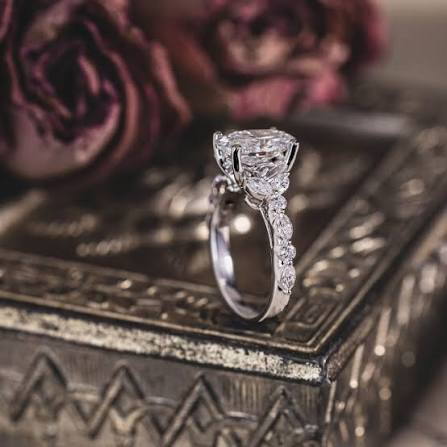
A diamond ring is often worn regularly and may become exposed to hand creams, soap, dust, oils, and everyday dirt. Over time, these substances can collect around the diamond and setting, reducing the stone’s natural brilliance. Regular cleaning and proper maintenance help preserve the ring’s appearance while keeping its setting in good condition.
A Custom Lab Grown Diamond Ring deserves the same care and attention as any other fine diamond jewelry. Lab grown diamonds have essentially the same physical and optical properties as natural diamonds, including their hardness and brilliance. However, the metal band, prongs, and other setting components can still experience wear. Following a suitable cleaning routine and arranging occasional professional inspections can help keep the ring attractive and secure for years.
1. Understand Why Regular Ring Cleaning Matters
Even though diamonds are highly resistant to scratching, their surfaces can collect oils and residue from daily activities. Hand lotion, soap, cooking grease, and cosmetics can create a thin layer that affects how light passes through the stone.
Dirt may also accumulate beneath the center diamond or between small accent stones. These areas can be difficult to clean during ordinary handwashing.
Regular cleaning helps to:
- Restore the diamond’s sparkle.
- Remove oils and everyday residue.
- Keep the metal surface looking clean.
- Prevent dirt from accumulating around the setting.
- Make it easier to notice loose stones or visible damage.
A simple cleaning routine can maintain the ring’s appearance without requiring expensive products or complicated equipment.
2. Use Warm Water and Mild Dish Soap
One of the easiest ways to clean most diamond rings is with warm water and a small amount of mild dish soap.
This method can remove common oils and dirt without requiring strong chemicals.
Follow these steps:
- Fill a small bowl with warm water.
- Add a few drops of mild dish soap.
- Place the ring in the solution for approximately 15–20 minutes.
- Use a soft-bristled brush to gently clean around the diamond and setting.
- Rinse carefully with clean water.
- Dry the ring with a soft, lint-free cloth.
Avoid using very hot water or harsh cleaning products. If the ring includes delicate accent stones, unusual materials, or a specialized setting, check the manufacturer’s care instructions before soaking it.
3. Choose the Right Cleaning Brush
A soft-bristled brush can help remove dirt from areas that are difficult to reach with a cloth.
A clean, soft toothbrush is often suitable for gentle cleaning, provided it has not been used with abrasive toothpaste or other products.
Pay particular attention to:
- The underside of the center diamond.
- Spaces around the prongs.
- Small gaps beneath halo settings.
- Areas between pavé diamonds.
- Decorative sections of the band.
Use gentle movements rather than applying pressure. A hard brush or aggressive scrubbing can scratch some metal finishes or place unnecessary stress on delicate settings.
4. Avoid Harsh Chemicals and Abrasive Products
Not every household cleaning product is suitable for diamond jewelry. Some chemicals can damage metal finishes, affect coatings, or harm certain accent materials.
Avoid cleaning your ring with:
- Bleach and chlorine-based cleaners.
- Abrasive powders.
- Strong household detergents.
- Acetone or paint removers.
- Toothpaste and baking soda used as abrasive cleaners.
- Unverified jewelry-cleaning solutions.
Chlorine exposure is particularly important to avoid because it can affect some jewelry metals and alloys.
When using household cleaning products, it is generally safer to remove your ring first. If you are unsure whether a cleaning solution is suitable, consult the manufacturer or a professional jeweler.
5. Clean Different Ring Settings Carefully
The setting style influences how easily dirt collects and which cleaning methods are most suitable.
Solitaire Settings
Solitaire rings usually have fewer decorative elements, making them relatively straightforward to clean. Gently brush around the prongs and beneath the center diamond.
Halo Settings
Halo rings contain smaller diamonds surrounding the center stone. Dirt can collect between these accent stones, so use a soft brush and light movements.
Pavé Settings
Pavé bands contain multiple small diamonds held by tiny metal structures. Avoid applying strong pressure because loose or damaged accent stones may become dislodged.
Bezel Settings
A bezel setting surrounds the diamond with a metal rim. Clean gently along the edge where dirt may collect between the stone and metal.
Three-Stone Settings
Three-stone rings have several diamond surfaces and settings to maintain. Clean around each stone carefully and check that the side diamonds remain secure.
If a ring has intricate details or unusual construction, professional cleaning may be preferable.
6. Dry Your Ring Properly After Cleaning
Leaving moisture around the setting can cause water spots or allow residue to remain in small spaces. After rinsing, dry the ring carefully.
Use a soft microfiber or lint-free cloth to remove moisture from the band and diamond. Avoid rough towels or tissues that may leave fibers behind.
For rings with intricate settings, allow the jewelry to air-dry completely after gently removing excess water. Make sure the ring is fully dry before storing it in a closed jewelry box.
If the ring has delicate decorative materials or a special finish, follow the care instructions provided by the manufacturer.
7. Remove Your Ring During Certain Activities
Taking off your ring during specific activities can reduce exposure to dirt, chemicals, and accidental impact.
Consider removing it when:
- Cleaning with household chemicals.
- Applying hand creams or thick lotions.
- Gardening or handling soil.
- Exercising with weights or equipment.
- Swimming in chlorinated pools.
- Working with abrasive materials.
- Performing tasks that may expose the ring to hard impacts.
Diamonds are extremely hard, but they are not indestructible. A strong impact can chip a diamond, especially around pointed corners or vulnerable edges. The setting and metal band can also become damaged through repeated contact.
Use a safe, designated storage place whenever you remove the ring.
8. Protect the Ring from Accidental Scratches and Impacts
Although diamonds rank 10 on the Mohs hardness scale, they can still chip or fracture under certain impact conditions. Their hardness means they resist scratching very well, but it does not make them immune to damage.
To protect your ring:
- Avoid wearing it during heavy manual work.
- Keep it away from hard surfaces when possible.
- Do not allow it to knock against other jewelry.
- Check the setting after accidental impacts.
- Store it separately from other diamond jewelry.
Diamonds can scratch other gemstones and some metals, so separate storage is particularly important.
9. Store Your Ring Safely When It Is Not Being Worn
Proper storage helps protect the ring from accidental damage, dust, and contact with other jewelry.
A fabric-lined jewelry box with separate compartments is a practical option. You can also use a soft individual pouch designed for jewelry storage.
Good storage practices include:
Keep it separate: Avoid placing the ring loosely alongside other diamond or gemstone jewelry.
Choose a dry location: Store it away from excessive moisture and direct heat.
Use a secure container: Keep the ring somewhere it cannot easily fall or become misplaced.
Avoid crowded storage: Give the ring enough space to prevent contact with other pieces.
For travel, use a padded jewelry case with a secure closure rather than placing the ring loose in a handbag or suitcase.
10. Arrange Regular Professional Inspections
Home cleaning helps maintain appearance, but it cannot replace professional inspection. A jeweler can examine areas that are difficult to assess without specialized tools.
During an inspection, a professional may check:
- Whether the center diamond is secure.
- Whether prongs are bent, worn, or damaged.
- Whether accent stones are loose.
- Whether the band has become thin or distorted.
- Whether the setting shows signs of impact.
- Whether the ring needs professional cleaning or repair.
For a ring worn daily, an inspection every six to twelve months is a useful general guideline. However, the appropriate schedule depends on the setting, construction, and frequency of wear. Have the ring checked sooner if you notice movement, damage, or an unusual sound.
11. Pay Attention to Prong Wear
Prongs hold the center diamond in place. They are exposed to everyday contact and can gradually become worn, bent, or damaged.
A loose prong may allow the diamond to move within the setting, increasing the risk of losing the stone.
Look for warning signs such as:
- A diamond that moves when gently touched.
- A prong that appears bent or uneven.
- A rough edge that catches on clothing.
- A visible gap between the stone and setting.
- A change in the way the diamond sits.
Do not attempt to bend or repair prongs yourself. If you suspect a loose setting, stop wearing the ring and take it to a qualified jeweler for assessment.
12. Maintain the Metal Band According to Its Material
The diamond may be the main feature of the ring, but the metal band also needs regular care. Different metals have different properties and maintenance requirements.
Yellow Gold
Yellow gold can develop surface scratches through regular wear. Clean it with mild soap and warm water, then dry it with a soft cloth.
White Gold
White gold rings may have a rhodium coating that gives them a bright white finish. This coating can wear over time and may require professional re-plating.
Rose Gold
Rose gold has a warm color created by its metal alloy. Gentle cleaning is usually sufficient, but abrasive products should be avoided.
Platinum
Platinum is durable and naturally white, although it can develop surface marks and a patina over time. Professional polishing can restore a smoother finish if desired.
Always follow metal-specific care instructions, especially when the ring combines different materials.
13. Be Careful with Ultrasonic and Steam Cleaners
Ultrasonic and steam jewelry cleaners are sometimes used by professional jewelers, but they are not suitable for every ring.
Ultrasonic cleaners use vibrations to remove dirt, while steam cleaners use high-temperature vapor. These methods may be inappropriate for rings with loose stones, damaged settings, certain accent gemstones, or delicate construction.
Before using either method, have the ring assessed by a qualified jeweler. A professional can determine whether the setting and all materials are suitable for the cleaning process.
For routine home maintenance, mild soap, warm water, and a soft brush are generally safer options for many diamond rings.
14. Know When Your Ring Needs Professional Cleaning or Repair
Some problems cannot be solved through ordinary cleaning. If the ring continues to look dull after gentle cleaning, dirt may be trapped in difficult-to-reach areas.
Professional attention is also important when you notice:
- A loose center diamond or accent stone.
- Damaged or missing prongs.
- A bent or misshapen band.
- Deep scratches or visible metal damage.
- A chipped diamond.
- Persistent residue beneath the setting.
Avoid wearing a damaged ring until it has been inspected. Early repairs can help prevent more serious problems, including the loss of a diamond.
15. Create a Simple Ring Maintenance Routine
A consistent maintenance schedule makes it easier to protect your ring without spending too much time on cleaning.
| Frequency | Recommended Care |
|---|---|
| After regular wear | Wipe gently with a soft, clean cloth when needed |
| Weekly or as needed | Check for visible dirt and clean with mild soap if appropriate |
| Monthly | Examine the ring for obvious damage or changes in the setting |
| Every 6–12 months | Arrange a professional inspection for regularly worn rings |
| When damage occurs | Stop wearing the ring and seek professional assessment |
The schedule can be adjusted according to how often the ring is worn and the complexity of its design.
16. Common Ring Care Mistakes to Avoid
Even careful owners can accidentally damage jewelry by using unsuitable cleaning methods or overlooking small problems.
Some common mistakes include:
- Using abrasive cleaners: These may damage metal finishes or delicate details.
- Cleaning over an open drain: A ring can easily be lost if it slips from your fingers.
- Ignoring loose stones: Continued wear may cause a loose diamond to fall out.
- Wearing the ring during heavy work: Impacts can damage the diamond or setting.
- Storing jewelry together: Diamonds can scratch other jewelry and may become scratched by other diamonds.
- Using ultrasonic cleaners without assessment: Vibrations may worsen problems in damaged or unsuitable settings.
- Delaying repairs: Small setting issues can become more serious if ignored.
Developing careful habits can reduce these risks and help maintain the ring’s condition.
Conclusion
Maintaining and cleaning a custom lab grown diamond ring does not require complicated equipment or expensive products. Gentle cleaning with warm water, mild dish soap, and a soft brush can remove everyday residue, while careful storage and sensible wearing habits help protect the diamond and setting.
Regular professional inspections are equally important because the metal band and prongs can experience wear even when the diamond itself remains in excellent condition. By following suitable care instructions, avoiding harsh chemicals, and addressing small problems early, owners can preserve the appearance, security, and long-term enjoyment of their ring.
About Post Author





More Stories
Why Regular Audit Services Are Essential for Effective Risk Management
Key Benefits of Wind Power Oil Immersed Transformers in Renewable Energy Systems
How Personalised Notebooks Make Practical and Memorable Promotional Gifts