

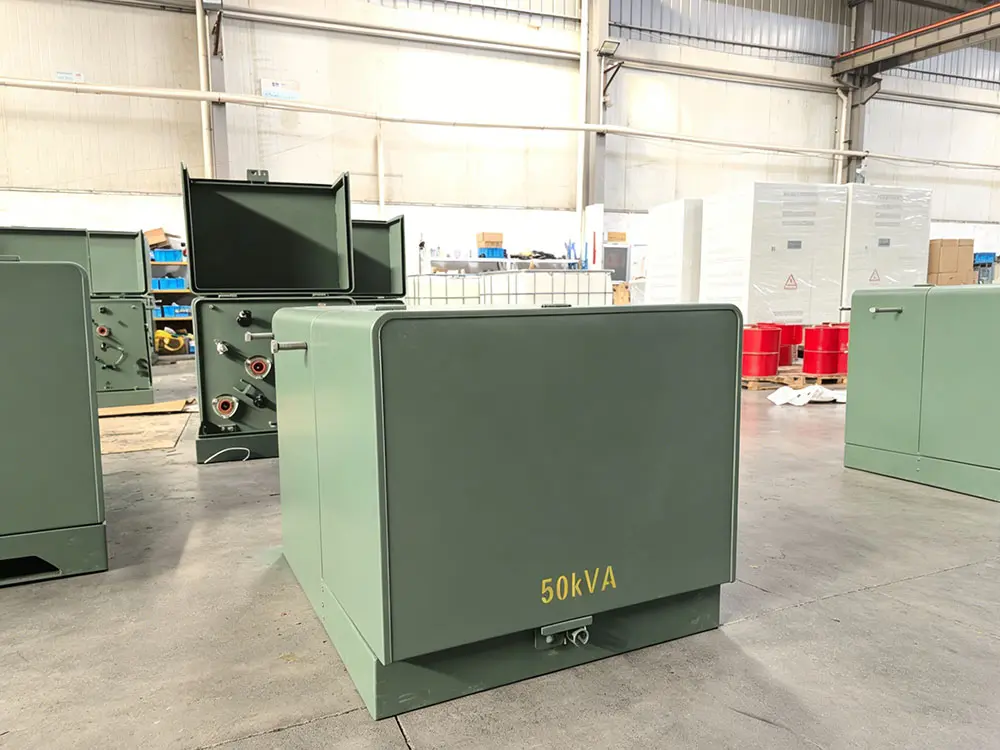
Wind energy has become an important part of the global transition toward cleaner electricity generation. As wind farms expand across coastal regions, open landscapes, and offshore locations, reliable electrical equipment is essential for transferring generated power into the grid. Transformers play a particularly important role because they adjust voltage levels and help maintain efficient electricity transmission from wind turbines to substations and distribution networks.
A Wind Power Oil Immersed Transformer is designed to support the electrical requirements of wind energy installations while using insulating oil for cooling and dielectric protection. Its ability to manage heat, handle demanding operating conditions, and support stable voltage transformation makes it a valuable component in many renewable energy projects. Understanding its benefits and applications can help developers and operators make informed equipment decisions.
What Is a Wind Power Oil Immersed Transformer?
A wind power oil immersed transformer is an electrical transformer designed for use in wind energy systems. It transfers electrical energy between circuits through electromagnetic induction and changes voltage levels according to the requirements of the installation.
The term “oil immersed” refers to the use of insulating liquid, commonly mineral oil or an approved alternative, to provide electrical insulation and help remove heat from the transformer’s internal components.
In wind power applications, these transformers may be installed near individual turbines, within wind farm substations, or at other points in the electrical collection and transmission system.
Their specifications depend on several factors, including turbine output, voltage requirements, installation conditions, cooling arrangements, and grid connection standards.
How Oil Immersed Transformers Work in Wind Energy Systems
Wind turbines convert the kinetic energy of moving air into mechanical energy, which is then converted into electricity by a generator. The generated electricity must pass through several electrical components before reaching the wider power grid.
Oil immersed transformers help manage this process by adjusting voltage levels.
Voltage Transformation
The transformer receives electrical power at one voltage level and delivers it at another. Depending on its position in the wind farm, it may increase the generator output voltage to a higher collection-system voltage or support further transformation at a substation.
Heat Management
Electrical current flowing through transformer windings produces heat due to resistive losses. Magnetic losses in the core also contribute to temperature rise.
Insulating oil circulates through the transformer and transfers heat toward radiators or other cooling surfaces. This helps maintain suitable operating temperatures.
Electrical Insulation
The oil provides dielectric insulation between energized internal components. It helps prevent electrical breakdown and supports reliable operation under the specified voltage conditions.
Power Delivery to the Grid
After voltage transformation, electricity moves through the wind farm’s collection network and associated substations. Further voltage adjustment may take place before the power enters the transmission system.
Key Benefits of Wind Power Oil Immersed Transformers
Oil immersed transformer technology offers several advantages for renewable energy installations. The suitability of these benefits depends on transformer design, operating conditions, and project requirements.
Effective Cooling Performance
One of the main advantages of oil immersed transformers is their ability to manage heat.
Insulating oil absorbs heat from the core and windings and transfers it to the cooling system. Radiators, fans, or other cooling arrangements can improve heat dissipation when required.
Effective temperature control helps reduce thermal stress on insulation materials and supports stable transformer operation.
Reliable Electrical Insulation
The insulating liquid provides an additional dielectric barrier around internal components. This helps maintain electrical separation between windings and other energized parts.
Suitable oil quality and moisture control are important for preserving insulation performance throughout the transformer’s operating life.
Support for High-Power Applications
Wind farms can contain turbines with substantial electrical output, requiring transformers capable of handling demanding power levels.
Oil immersed designs are available across a wide range of ratings, making them suitable for many medium-voltage and higher-capacity applications.
The correct rating must be selected according to turbine output, expected loading, voltage levels, and network conditions.
Stable Operation Under Variable Loads
Wind power generation changes with wind speed and weather conditions. Transformer equipment must therefore accommodate variations in power flow.
Properly designed oil immersed transformers can support changing load conditions within their specified operating limits.
Appropriate thermal design and protection systems help manage the stresses associated with variable generation.
Long Service Life With Proper Maintenance
Transformer service life depends on insulation condition, operating temperature, loading, environmental exposure, and maintenance quality.
Regular oil testing, condition monitoring, and inspection of cooling equipment can help identify developing problems and preserve reliable performance.
Flexible Installation Options
Oil immersed transformers are available in different designs and configurations. They can be specified for suitable indoor or outdoor installations, depending on project requirements.
This flexibility allows engineers to consider factors such as available space, environmental conditions, accessibility, and electrical connection arrangements.
Applications in Wind Power Projects
Oil immersed transformers serve several functions throughout wind energy infrastructure.
Individual Wind Turbines
Some wind turbines use transformers near the generator or within the turbine structure to increase voltage for connection to the wind farm collection network.
The design must account for available space, vibration, temperature, and maintenance access.
Wind Farm Collection Systems
Collection networks gather electricity from multiple turbines and transfer it toward a central substation.
Transformers help adjust voltage levels to support efficient power transfer across these networks.
Wind Farm Substations
Substations use larger transformers to increase voltage before electricity enters the transmission grid.
These units must meet project-specific requirements for power capacity, voltage regulation, insulation, and protection.
Offshore Wind Farms
Offshore wind installations operate in challenging marine environments where moisture, salt exposure, and restricted maintenance access are important considerations.
Suitable oil immersed transformer designs can support offshore applications when their enclosures, accessories, cooling arrangements, and installation methods are engineered for the environment.
Onshore Renewable Energy Facilities
Onshore wind farms also use oil immersed transformers to support turbine connections, collection systems, and grid interconnection facilities.
Their specifications vary according to project size, turbine configuration, and the requirements of the local electricity network.
Important Design Features to Consider
Selecting a transformer for a wind energy project requires careful attention to its electrical and mechanical design.
Rated Power Capacity
The transformer must have sufficient capacity to handle the expected electrical output. Engineers should consider maximum generation, loading patterns, operating conditions, and possible future requirements.
Voltage Ratings
Primary and secondary voltage ratings must match the turbine generator, collection network, or substation connection.
Incorrect voltage selection can affect equipment compatibility and system performance.
Cooling Arrangement
Cooling systems may use natural oil and air circulation or include forced cooling through fans and pumps.
The appropriate arrangement depends on transformer capacity, installation conditions, and expected operating temperatures.
Insulation Oil Quality
Oil properties influence dielectric performance, cooling efficiency, and equipment condition.
The selected insulating liquid should meet applicable specifications and be compatible with the transformer materials.
Protection and Monitoring
Protection devices help detect faults and abnormal operating conditions. Depending on the design, equipment may include temperature indicators, pressure relief devices, oil level indicators, gas protection, and electrical protection relays.
Monitoring systems provide additional information about operating conditions and can support maintenance planning.
Environmental Compatibility
Wind farms may be located in areas exposed to high humidity, temperature variations, dust, salt, or other environmental challenges.
Transformer specifications should account for these conditions to support long-term reliability.
Oil Immersed vs. Dry Type Transformers for Wind Applications
Both oil immersed and dry type transformers can be used in renewable energy projects. Their suitability depends on the installation location, power rating, environmental requirements, and safety considerations.
| Feature | Oil Immersed Transformer | Dry Type Transformer |
|---|---|---|
| Cooling method | Insulating liquid transfers heat | Air-based cooling |
| Insulation | Oil and solid insulation | Solid insulation systems |
| Heat management | Suitable designs offer effective heat dissipation | Depends on airflow and cooling design |
| Maintenance | Requires oil inspection and testing | No insulating oil to test |
| Environmental considerations | Requires appropriate oil containment and leak prevention | Avoids risks associated with insulating oil leaks |
| Typical applications | Many outdoor and higher-capacity installations | Suitable indoor and selected outdoor applications |
Oil immersed transformers may be attractive where cooling performance and higher power capacity are important. Dry type units may be preferred in locations where avoiding insulating oil is a priority.
The final choice should follow a technical assessment rather than relying on a single general advantage.
Maintenance Practices for Wind Power Oil Immersed Transformers
Regular maintenance helps preserve transformer performance and reduce the risk of unexpected interruptions.
Wind farms may have additional maintenance challenges because some turbines are located in remote areas or offshore environments.
Insulating Oil Testing
Oil testing helps evaluate dielectric strength, moisture content, acidity, and other important properties.
Dissolved Gas Analysis (DGA) can also help identify gases associated with overheating, partial discharge, and internal electrical faults.
Temperature Monitoring
Transformer operating temperature should be monitored to identify excessive heating.
Abnormal temperature changes may indicate overloading, cooling system problems, or developing internal faults.
Cooling System Inspection
Radiators, fans, pumps, and associated controls should be inspected to confirm that heat can be removed effectively.
Blocked radiators or malfunctioning cooling equipment may increase internal temperatures.
Leakage and Oil Level Checks
The transformer tank, seals, valves, and pipe connections should be inspected for oil leakage.
Maintaining the correct oil level is important for insulation and cooling performance.
Electrical Testing
Scheduled diagnostic tests can help evaluate winding condition, insulation resistance, turns ratio, and other electrical characteristics.
Testing frequency should be based on the manufacturer’s recommendations, applicable standards, and equipment operating history.
Challenges and Considerations in Wind Energy Installations
Although oil immersed transformers provide several advantages, their use requires attention to certain practical considerations.
Oil management: Insulating oil must be monitored and maintained to preserve its dielectric and cooling properties.
Leak prevention: Tanks, seals, and associated components must be properly maintained to minimize environmental risks.
Transportation and installation: Large transformer units may require specialized transport, lifting arrangements, and suitable foundations.
Environmental exposure: Coastal and offshore locations may require enhanced protection against corrosion, moisture, and salt.
Maintenance access: Remote wind farms can make inspections and repairs more complicated, increasing the value of effective condition monitoring.
Grid compatibility: Transformers must meet voltage, frequency, impedance, protection, and other requirements established by the connected electrical network.
Addressing these factors during project planning helps improve equipment suitability and long-term operational performance.
How to Choose the Right Transformer for a Wind Energy Project
Selecting the right transformer begins with understanding the electrical requirements of the complete wind farm.
Project engineers should evaluate turbine output, generator voltage, collection network configuration, grid connection requirements, installation environment, and expected operating conditions.
They should also consider transformer efficiency, cooling performance, insulation design, protection arrangements, noise limits, maintenance access, and applicable standards.
Working from accurate project specifications helps ensure that the selected equipment can operate safely and efficiently within the renewable energy system.
Conclusion
Wind power oil immersed transformers play an important role in connecting renewable electricity generation with collection networks and the wider power grid. Their insulating oil supports both electrical insulation and heat transfer, while their adaptable designs make them suitable for a variety of wind energy applications.
Effective cooling, reliable insulation, flexible configurations, and the availability of different power ratings make these transformers valuable components in many onshore and offshore projects. With appropriate equipment selection, environmental protection, condition monitoring, and regular maintenance, they can support dependable power delivery and the long-term performance of renewable energy systems.
About Post Author



More Stories
How Personalised Notebooks Make Practical and Memorable Promotional Gifts
How Galvanized Guy Wire Provides Reliable Support for Utility Poles and Communication Towers
Why Stainless Steel Valves Are a Reliable Choice for Industrial Applications