

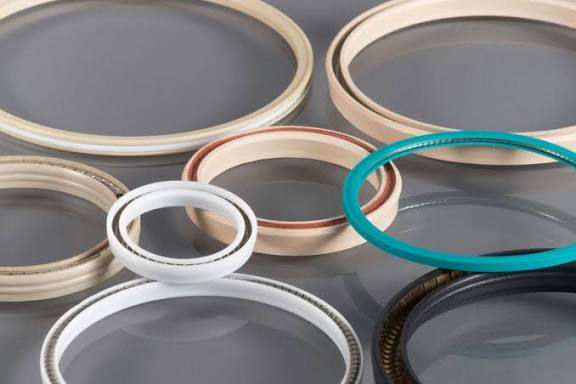
Industrial machinery often operates under challenging conditions, including high pressure, extreme temperatures, continuous movement, chemical exposure, and contact with abrasive materials. Components used in these environments must withstand repeated stress while maintaining reliable performance. Sealing elements are particularly important because they help prevent leakage, protect internal components, and maintain the operating conditions required for efficient machinery function.
Choosing durable DMS Seals requires more than selecting a component based on its dimensions or initial cost. Buyers and maintenance professionals should consider operating conditions, material compatibility, seal design, equipment specifications, and expected service life. A carefully selected seal can help reduce premature failures, minimize maintenance interruptions, and support consistent industrial operations.
Understand the Operating Conditions
The first step in selecting durable industrial seals is understanding the environment in which they will operate. Different applications place different demands on sealing components, so the selection process should begin with an assessment of actual working conditions.
Important factors include:
- Operating pressure and possible pressure fluctuations.
- Minimum and maximum operating temperatures.
- Type of fluid, lubricant, or chemical involved.
- Movement speed and frequency of operation.
- Exposure to dust, moisture, and abrasive particles.
- Static or dynamic sealing requirements.
For example, seals used in hydraulic cylinders may need to withstand high pressure and repeated linear movement. Seals in chemical processing equipment may require stronger chemical resistance, while components in manufacturing machinery may experience continuous friction and frequent operating cycles.
Understanding these conditions helps narrow down suitable materials and designs.
Choose Materials That Match the Application
Material selection has a major influence on seal durability. A material that performs well in one environment may deteriorate quickly in another because of temperature, fluid exposure, or mechanical stress.
Several materials are commonly used in industrial sealing applications.
Nitrile Rubber (NBR)
Nitrile rubber is widely used in applications involving petroleum-based oils and hydraulic fluids. It offers a practical combination of flexibility, sealing ability, and resistance to many common industrial lubricants.
It is often considered for equipment operating within moderate temperature ranges. However, its suitability should be checked when exposure to ozone, weathering, or certain chemicals is expected.
Polyurethane (PU)
Polyurethane is valued for its mechanical strength and resistance to abrasion. These properties make it useful in applications involving repeated movement, friction, and demanding contact conditions.
It is commonly considered for hydraulic rod and piston seals, although the specific formulation must match the operating temperature and fluid requirements.
Fluoroelastomer (FKM)
FKM materials are known for their resistance to many oils, fuels, and chemicals, as well as their ability to operate at relatively high temperatures.
They may be suitable for industrial environments where ordinary elastomers cannot provide the required resistance. Compatibility should still be verified for the particular chemical or fluid involved.
Polytetrafluoroethylene (PTFE)
PTFE offers low friction, strong chemical resistance, and good dimensional stability under suitable operating conditions. It is frequently used in applications where reduced friction or chemical compatibility is important.
Because PTFE has different elastic properties from conventional rubber, some designs use additional components to maintain effective sealing contact.
EPDM and Silicone
EPDM can be useful in applications involving water, steam, and certain environmental conditions, but it is generally unsuitable for many petroleum-based oils. Silicone provides flexibility across a broad temperature range and is used in selected applications where its mechanical properties are appropriate.
The correct choice depends on the complete operating environment rather than one material characteristic alone.
Evaluate Pressure and Temperature Requirements
Pressure and temperature directly affect how sealing materials behave during operation. Excessive pressure can cause deformation, extrusion, or displacement, particularly when equipment clearances are unsuitable.
Temperature extremes may also change material properties. High temperatures can accelerate aging and reduce elasticity, while low temperatures may cause some materials to become less flexible.
Before choosing a seal, consider:
- Normal operating pressure.
- Maximum pressure and sudden pressure spikes.
- Temperature variations during startup and shutdown.
- Heat generated by friction or nearby equipment.
- Whether pressure and temperature fluctuate frequently.
Selecting a component with suitable operating limits helps reduce the risk of deformation and premature deterioration.
Consider the Type of Movement
Industrial seals are designed for different types of movement, and their construction must match the application.
Static Sealing
Static seals are used between surfaces that do not move relative to each other. Examples include flange connections, covers, housings, and pipe fittings.
Their performance depends on appropriate compression, surface condition, and material compatibility.
Reciprocating Sealing
Reciprocating seals operate in components that move back and forth, such as hydraulic cylinders and pneumatic actuators. They must maintain sealing contact while accommodating repeated sliding motion.
Wear resistance, friction, lubrication, and pressure handling are important selection factors.
Rotary Sealing
Rotary seals are used around rotating shafts in pumps, motors, gearboxes, and similar equipment. Their performance depends on rotational speed, shaft finish, temperature, and lubrication conditions.
Using a seal designed for the correct movement type helps maintain reliable contact and reduces unnecessary wear.
Select the Appropriate Seal Design
Material alone does not determine durability. The seal profile and construction also influence how well the component performs under industrial conditions.
Common industrial seal designs include:
- O-rings: Used in many static and selected dynamic applications because of their simple design and versatility.
- Rod seals: Help prevent fluid from escaping around moving rods in hydraulic and pneumatic cylinders.
- Piston seals: Maintain pressure between different chambers inside cylinders.
- Wiper seals: Remove dust, dirt, and other contaminants from exposed moving surfaces.
- Rotary shaft seals: Help retain lubricants and prevent contaminants from entering rotating equipment.
- Backup rings: Provide additional support in suitable applications to help reduce extrusion under pressure.
The correct design depends on equipment geometry, pressure direction, movement, and installation space. Selecting the wrong profile can lead to leakage even when the material itself is suitable.
Check Dimensional Accuracy and Equipment Compatibility
A durable seal must fit the equipment correctly. Incorrect dimensions can cause insufficient compression, excessive friction, or uneven contact with surrounding surfaces.
Before purchasing replacement components, verify the required dimensions and specifications. These may include inner diameter, outer diameter, cross-section, groove width, groove depth, and installation clearance.
It is also important to consider the condition of the mating surfaces. Scratches, corrosion, rough finishes, and worn grooves can reduce sealing effectiveness.
Whenever possible, use equipment documentation or the original component specifications to confirm compatibility. If the application has been modified, the sealing arrangement may need to be reviewed rather than simply replacing the old component with an identical size.
Assess Resistance to Chemicals and Contamination
Industrial environments may expose seals to hydraulic oils, cleaning agents, fuels, coolants, solvents, process chemicals, and other substances. Not every material is compatible with every fluid.
Chemical incompatibility can cause swelling, shrinking, softening, hardening, or cracking. These changes may affect the seal’s dimensions and ability to maintain contact.
Contamination creates another challenge. Dust, metal particles, moisture, and abrasive materials can damage sealing surfaces or interfere with normal movement.
When selecting a seal, identify all substances it may contact during operation, cleaning, and maintenance. Consider whether additional protective elements, such as wipers or dust barriers, are needed to reduce contamination risks.
Prioritize Wear Resistance and Friction Control
Industrial machinery may operate for long periods with frequent movement and repeated loading. Under these conditions, friction and abrasion can gradually reduce seal performance.
A material with suitable wear resistance can help extend service life in demanding applications. However, friction should also be controlled because excessive resistance can generate heat and increase energy consumption.
Several factors influence wear and friction:
- Seal material and surface properties.
- Mating surface finish.
- Operating speed and movement frequency.
- Lubrication quality and availability.
- Pressure and contact force.
- Alignment of moving components.
A suitable combination of material, design, and equipment condition can help maintain effective sealing without creating unnecessary mechanical resistance.
Consider Installation and Maintenance Requirements
Even a durable seal can fail early if it is installed incorrectly or maintained poorly. Installation conditions should therefore be part of the selection process.
Some designs require specialized tools or careful positioning. Others may need particular lubrication or precise groove dimensions. Choosing a component that can be installed correctly using available procedures and equipment can help reduce maintenance difficulties.
Maintenance teams should also consider inspection requirements and replacement intervals. Seals used in critical machinery may need more frequent monitoring, especially when operating conditions are severe.
Useful maintenance practices include regular leakage checks, surface inspections, fluid condition monitoring, and timely replacement of damaged components.
Compare Quality, Specifications, and Supplier Support
When evaluating industrial sealing products, buyers should review technical information rather than relying only on price or general product descriptions.
Useful details to request or verify include:
- Material specifications and compatibility information.
- Operating pressure and temperature limits.
- Dimensional tolerances.
- Seal design and application recommendations.
- Relevant testing or quality documentation.
- Storage and installation instructions.
- Availability of replacement components.
Supplier support can also be important when the application involves unusual temperatures, chemicals, pressure levels, or machinery configurations. Access to accurate technical guidance helps buyers make better decisions and avoid unsuitable substitutions.
Balance Initial Cost with Long-Term Performance
A lower purchase price does not always result in lower operating costs. A seal that wears out quickly may require frequent replacement, additional labor, and repeated equipment shutdowns.
Durability should therefore be evaluated in relation to the total cost of ownership. Factors such as service life, replacement frequency, installation time, leakage risks, and the cost of equipment downtime all influence the long-term value of a sealing component.
For critical industrial machinery, selecting a suitable seal based on verified operating requirements can be more economical than choosing the least expensive option.
Conclusion
Selecting durable industrial seals requires a clear understanding of equipment conditions, material properties, pressure and temperature limits, movement type, and dimensional requirements. Chemical compatibility, contamination resistance, friction control, and installation needs also play important roles in determining long-term performance.
By evaluating these factors carefully, industrial buyers and maintenance professionals can choose sealing components that meet their application requirements and reduce avoidable failures. A well-matched seal, combined with correct installation and regular maintenance, helps protect machinery, limit downtime, and support reliable industrial operations.
About Post Author


More Stories
A Guide to Choosing the Right Flag Banner Stand for Your Marketing Needs
How to Clean and Maintain a Neoprene Beach Bag After Beach Trips
U Type Sheet Pile: Features, Benefits, and Applications in Foundation Projects