

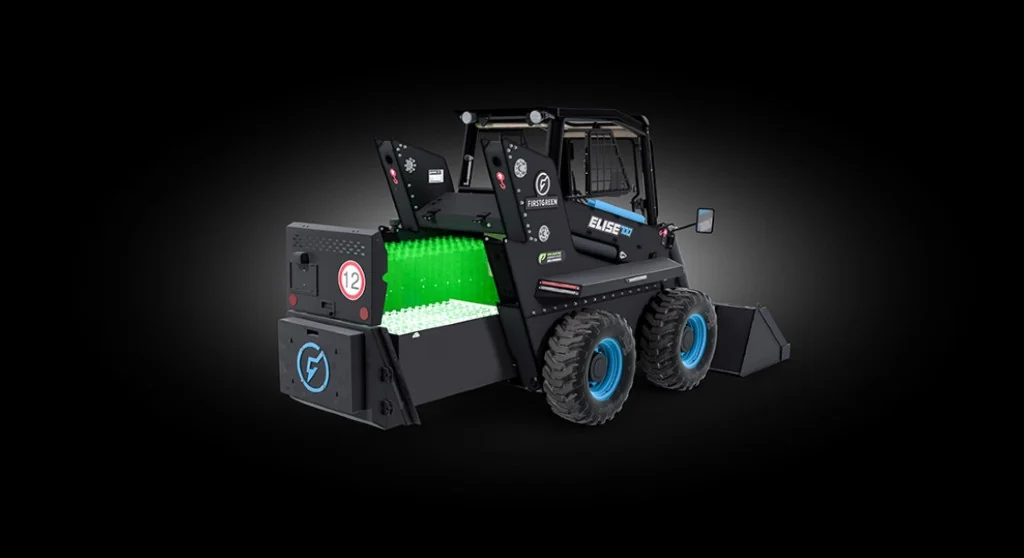
Modern construction projects require equipment that delivers reliable performance, reduces operating costs, and supports increasingly demanding environmental standards. As contractors look for more efficient ways to manage daily operations, electric-powered machinery is becoming an important option. Electric construction equipment can help businesses improve productivity while creating quieter and cleaner working environments.
Among these developments, the electric skid steer loader offers practical advantages for construction companies, contractors, and equipment operators. By combining compact dimensions with electric power, these machines can perform a variety of material-handling and site preparation tasks while reducing dependence on conventional fuel-powered equipment.
1. Lower Operating Costs
One of the main advantages of electric skid steer loaders is their potential to reduce daily operating expenses. Traditional diesel-powered machines require regular fuel purchases, engine oil changes, and other maintenance associated with combustion engines.
Electric models use battery-powered systems, which can reduce certain routine maintenance requirements. They also eliminate the need for diesel fuel during operation.
For construction businesses that use compact loaders regularly, these savings can contribute to better long-term equipment economics. However, actual operating costs depend on electricity prices, battery capacity, charging infrastructure, and usage patterns.
2. Improved Performance in Indoor Construction Areas
Many construction projects involve working inside warehouses, factories, commercial buildings, and other enclosed spaces. Traditional diesel machinery can create exhaust emissions that require additional ventilation and careful site management.
Electric skid steer loaders produce no exhaust emissions at the point of operation. This makes them particularly useful for indoor applications where local ventilation and air quality are important considerations.
They can support tasks such as moving construction materials, clearing debris, and transporting supplies within suitable indoor work areas.
3. Reduced Noise Levels
Construction equipment can generate significant noise, affecting workers, nearby residents, and businesses operating around a project site.
Electric skid steer loaders generally operate more quietly than comparable diesel-powered machines because they do not rely on conventional combustion engines.
Lower operating noise can be beneficial in residential construction, commercial renovation, and projects conducted near hospitals, schools, or occupied buildings.
Although hydraulic systems, tires, and attachments still produce sound, reduced engine noise can create a more comfortable working environment.
4. Efficient Operation in Confined Spaces
Skid steer loaders are designed for maneuverability, making them suitable for construction sites with limited working space.
Their compact structure and ability to turn within a small area allow operators to navigate around obstacles, work near walls, and move materials through restricted access points.
Electric versions retain these practical characteristics while offering the advantages of battery-powered operation.
They can be useful for:
- Indoor renovation and remodeling.
- Landscaping and property development.
- Warehouse material handling.
- Small-scale excavation and site preparation.
- Construction projects with restricted access.
Selecting the correct machine dimensions and operating capacity is essential for safe and efficient performance.
5. Reduced Maintenance Requirements
Maintenance has a direct impact on equipment availability and construction schedules. Machines that require frequent servicing may create additional costs and interrupt ongoing work.
Electric skid steer loaders typically have fewer engine-related maintenance requirements because they do not use conventional combustion engines.
Depending on the model, operators may avoid routine engine oil changes, fuel filter replacements, and certain exhaust-system maintenance tasks.
However, electric machines still require regular inspections. Battery systems, electrical connections, tires, hydraulic components, cooling systems, and safety equipment should be maintained according to the manufacturer’s recommendations.
A preventive maintenance schedule helps protect equipment performance and extend its service life.
6. Consistent Power Delivery
Electric motors can provide responsive power delivery, which is valuable when operators perform repeated lifting, pushing, and material-handling tasks.
Depending on the machine’s design, electric power systems can deliver controlled movement and smooth operation.
This can help operators manage materials accurately, particularly when working in tight areas or performing repetitive tasks.
Before purchasing a machine, contractors should evaluate rated operating capacity, hydraulic performance, travel speed, lifting height, and compatibility with the attachments required for their projects.
7. Support for More Sustainable Construction Practices
Environmental considerations are becoming increasingly important in the construction industry. Contractors may need to meet project-specific emissions requirements or demonstrate progress toward sustainability objectives.
Electric skid steer loaders produce no direct exhaust emissions during operation. When charged using electricity from renewable sources, their overall environmental impact may be reduced further.
The total environmental footprint still depends on battery manufacturing, electricity generation, transportation, and equipment lifespan.
Nevertheless, electric machinery can be a useful part of a broader strategy to reduce emissions and improve environmental performance on construction sites.
8. Greater Flexibility Across Different Applications
A major strength of skid steer loaders is their compatibility with different attachments. Depending on the model, operators may use buckets, forks, sweepers, augers, and other specialized tools.
This versatility allows one machine to perform multiple tasks, reducing the need to purchase or rent separate equipment for every application.
For electric models, buyers should confirm hydraulic flow, attachment compatibility, electrical capacity, and manufacturer-approved operating limits before selecting accessories.
Using the right attachment can improve productivity and make better use of the machine’s capabilities.
9. Improved Working Conditions for Operators
Construction productivity is influenced by more than machine specifications. The working environment also affects operator comfort, concentration, and efficiency.
Reduced engine noise and the absence of direct exhaust emissions can create a more pleasant environment, particularly during indoor operations.
Modern equipment may also include ergonomic seating, intuitive controls, clear visibility, and operator protection features.
When comparing machines, contractors should assess cabin design, control layout, visibility, access points, and safety systems to determine whether the equipment meets their operational needs.
10. Better Suitability for Urban Construction Projects
Urban construction sites often face restrictions involving noise, air quality, access, and operating hours.
Electric skid steer loaders can help contractors address some of these challenges because they generally produce less operating noise and no direct exhaust emissions.
They may be particularly useful for renovation projects, underground parking facilities, indoor demolition preparation, and construction work near occupied properties.
However, businesses should review local regulations and project requirements before choosing equipment. Charging access and operating duration must also be considered when planning daily work.
11. Charging and Battery Management Improve Operational Planning
Battery management is an important part of using electric construction equipment effectively.
Unlike diesel machines that can be refueled relatively quickly, electric loaders require charging periods that must be included in work schedules.
Contractors should consider battery capacity, expected operating hours, charging speed, available power supply, and the possibility of charging between shifts.
Planning charging arrangements in advance can help prevent unnecessary downtime.
For demanding projects, it may also be useful to evaluate whether additional charging equipment or another machine is needed to maintain continuous operations.
12. How to Choose the Right Electric Skid Steer Loader
Selecting suitable equipment requires matching machine specifications with the actual demands of a construction project.
Important factors include:
- Rated operating capacity: Make sure the machine can safely handle the expected loads.
- Battery capacity: Evaluate whether the battery can support the required working duration.
- Charging time: Check how quickly the machine can recharge under available conditions.
- Hydraulic performance: Confirm compatibility with the attachments and tasks you plan to use.
- Machine dimensions: Ensure the loader can access and operate within the intended work areas.
- Safety features: Review operator protection, visibility, braking, and stability systems.
- After-sales support: Check parts availability, technical assistance, and warranty coverage.
Comparing these factors can help contractors select equipment that delivers practical value rather than focusing on specifications alone.
13. Consider the Long-Term Return on Investment
The initial purchase price of an electric skid steer loader may differ from that of a conventional diesel model. However, evaluating equipment costs over its entire service life provides a more complete picture.
Businesses should consider purchase price, electricity expenses, maintenance, battery replacement, charging infrastructure, expected utilization, and resale value.
The financial benefits will vary depending on local energy prices and how frequently the machine is used.
For projects involving regular indoor operation or substantial daily working hours, the potential savings and operational advantages may make electric equipment an attractive investment.
Conclusion
Electric skid steer loaders are helping modern construction businesses improve efficiency through reduced operating noise, lower engine-related maintenance requirements, and zero direct exhaust emissions during operation. Their compact design, attachment versatility, and suitability for indoor environments make them useful across a wide range of construction applications.
To achieve the best results, contractors should carefully evaluate battery capacity, charging requirements, lifting performance, hydraulic compatibility, and after-sales support. With proper equipment selection and operational planning, electric skid steer loaders can become a valuable part of a more productive and sustainable construction fleet.
About Post Author



More Stories
A Guide to Choosing the Right Flag Banner Stand for Your Marketing Needs
How to Clean and Maintain a Neoprene Beach Bag After Beach Trips
U Type Sheet Pile: Features, Benefits, and Applications in Foundation Projects