

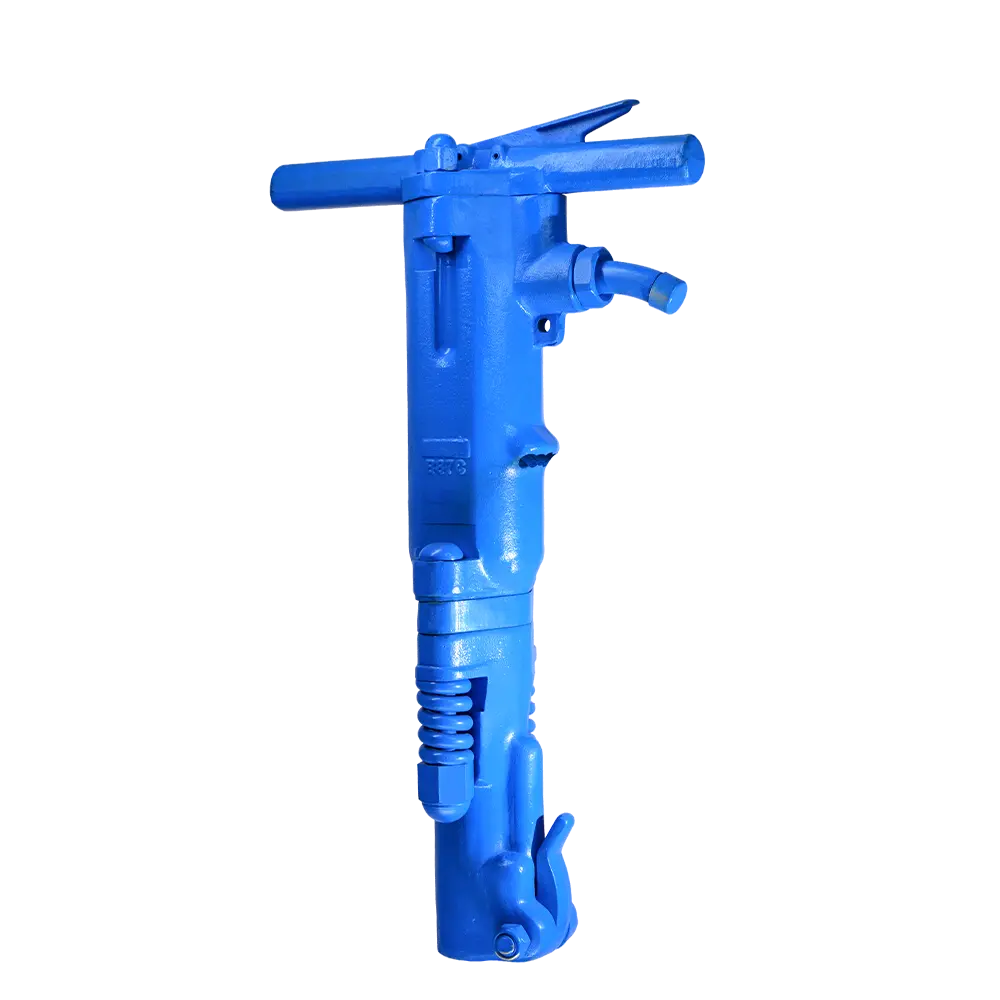
Heavy-duty industrial work often requires equipment that can break hard materials, loosen compacted ground, and withstand repeated use in demanding environments. Pneumatic tools are widely used for these tasks because they convert compressed-air energy into mechanical impact force. The B87 air pick is a handheld pneumatic tool used in selected construction, mining, quarrying, and industrial maintenance applications where controlled, repeated impacts are required.
When evaluating a China B87 Air Pick, buyers should consider the tool’s operating pressure, air consumption, impact performance, construction quality, and maintenance requirements. Specifications can vary between manufacturers, so confirming the technical details of the exact model is essential. A suitable tool can help improve work efficiency when its capabilities match the material and operating conditions.
What Is a B87 Air Pick?
A B87 air pick is a pneumatic tool that uses compressed air to drive an internal piston. The piston produces repeated impacts that transfer energy to an attached pointed bit or chisel, helping break, chip, or loosen suitable materials.
Its handheld construction can make it useful for localized breaking tasks where larger demolition equipment is difficult to position. Depending on the model and working conditions, it may support concrete removal, selected excavation work, and maintenance activities in industrial facilities.
The B87 designation alone does not guarantee identical specifications across different suppliers. Buyers should verify the product’s dimensions, rated performance, and operating requirements through the manufacturer’s documentation.
Technical Specifications of a B87 Air Pick
Understanding the technical specifications of a B87 air pick helps determine whether it is appropriate for a particular workload. Important parameters include the following.
Operating Air Pressure
The operating pressure determines the conditions under which the pneumatic mechanism is designed to work. The compressor and air-delivery system must maintain the pressure recommended by the manufacturer.
Operating outside the specified range can affect performance, increase component wear, and create safety risks.
Air Consumption
Air consumption indicates how much compressed air the tool requires during operation. This information is important when selecting a compressor, particularly at industrial sites where several pneumatic tools may share the same air supply.
An undersized compressor may cause inconsistent performance and unnecessary interruptions.
Impact Frequency and Energy
Impact frequency describes how often the tool delivers blows, while impact energy indicates the energy transferred during each impact under specified test conditions. Both characteristics influence material-breaking performance.
Their practical effectiveness depends on material hardness, tool-bit design, operator technique, and the condition of the equipment.
Weight and Dimensions
Tool weight and overall dimensions affect maneuverability, transportation, and operator fatigue. Buyers should consider the working position, duration of use, and accessibility of the work area before selecting a model.
Tool-Bit Compatibility
The tool bit transfers impact energy to the working surface. Confirm the correct shank dimensions, retaining mechanism, and availability of compatible chisels or pointed bits before purchasing the equipment.
Because specifications vary, buyers should request a model-specific data sheet instead of relying on generic figures.
Heavy-Duty Applications of the B87 Air Pick
B87 pneumatic picks can support various applications when their rated performance matches the task.
Mining and Quarrying
In suitable mining environments, pneumatic picks may help loosen coal, break certain rock formations, and carry out localized excavation. Their suitability depends on geological conditions, material hardness, ventilation, and the availability of an adequate compressed-air supply.
They are not a universal substitute for specialized drilling equipment or heavy rock-breaking machinery.
Construction and Demolition
Construction teams may use B87 air picks to break concrete sections, remove masonry, and loosen compacted material during renovation and repair projects. Their handheld design can be useful when work is limited to a specific area or access is restricted.
For large-scale structural demolition, heavier equipment may provide greater productivity.
Road Maintenance
Road maintenance crews may use pneumatic picks to remove damaged concrete, break localized pavement sections, and prepare surfaces for repair. Portable tools can be practical for smaller jobs where mobilizing larger machinery would be inefficient.
Industrial Maintenance
Manufacturing facilities and industrial workshops may use pneumatic picks for selected breaking, material-removal, and repair tasks. The correct attachment and operating conditions should be determined according to the material and the manufacturer’s recommendations.
Performance Advantages of Chinese-Made B87 Air Picks
Chinese manufacturers supply pneumatic equipment for different industrial markets. The advantages of a particular B87 air pick depend on its design, component quality, production standards, and supplier support.
Potential benefits include:
- Portable construction: A handheld design can make the tool easier to transport and position in confined work areas.
- Repeated impact capability: The pneumatic piston mechanism supports continuous breaking and loosening tasks when an adequate air supply is available.
- Flexible applications: Suitable models can be used for selected construction, mining, road repair, and maintenance operations.
- Serviceable components: Routine inspection, lubrication, and replacement of worn parts can help maintain performance.
- Purchasing flexibility: Comparing suppliers can help buyers evaluate specifications, accessories, pricing, and after-sales support.
These benefits should be verified against the specific product. Country of manufacture alone does not establish quality, durability, or compliance with applicable requirements.
How to Choose the Right China B87 Air Pick
Selecting a suitable tool requires a careful comparison of technical requirements, supplier reliability, and long-term operating costs.
Verify the Product Data Sheet
Request specifications covering operating pressure, air consumption, impact performance, tool weight, dimensions, and compatible accessories. Confirm that the information relates to the exact model being supplied.
Match the Tool to the Compressor
Ensure that the compressor can provide the required airflow at the specified operating pressure. Hose diameter, hose length, fittings, and other connected equipment can affect the air available at the tool.
Assess Construction Quality
Review component materials, assembly quality, manufacturing consistency, and inspection procedures. Where possible, request relevant test documentation and verify that the product meets applicable safety and quality requirements.
Check Spare-Part Availability
Replacement bits, seals, and service components can influence maintenance costs and downtime. Suppliers that provide clear maintenance documentation and compatible replacement parts can make long-term equipment management easier.
Compare Total Operating Costs
The purchase price is only one part of equipment ownership. Compressor energy consumption, lubrication, servicing, replacement accessories, and downtime should also be considered when comparing products.
Maintenance and Safety Guidelines
Proper maintenance helps preserve the performance of a B87 air pick and reduces the risk of unexpected equipment failure. Inspect the tool body, air hose, connections, and bit-retaining mechanism before use.
Follow the manufacturer’s lubrication schedule and service instructions. Disconnect the compressed-air supply before replacing accessories or performing repairs, and never exceed the specified operating pressure.
Pneumatic picks generate noise, vibration, and flying debris. Operators should wear suitable eye, hearing, hand, and foot protection and follow workplace procedures for dust control and vibration exposure.
Before breaking concrete or excavating, identify underground utilities and assess surrounding structures for potential hazards. Only trained personnel should operate the equipment in accordance with established safety procedures.
Conclusion
The China B87 air pick is a pneumatic tool suited to selected heavy-duty breaking, excavation, and maintenance tasks. Its repeated-impact mechanism and handheld design can provide practical benefits in construction, mining, road repair, and industrial environments.
For an informed purchasing decision, buyers should verify the model’s technical specifications, compressor compatibility, build quality, accessory availability, and maintenance support. Matching the tool to the intended workload and following appropriate safety procedures can help improve productivity and support reliable long-term operation.
About Post Author




More Stories
Wudu Basin Installation: Important Measurements and Plumbing Considerations
Enjoy Smooth, Creamy Coffee Creations with an Efficient Electric Milk Frother
How to Choose Inflatable Sports Games for Indoor and Outdoor Events