

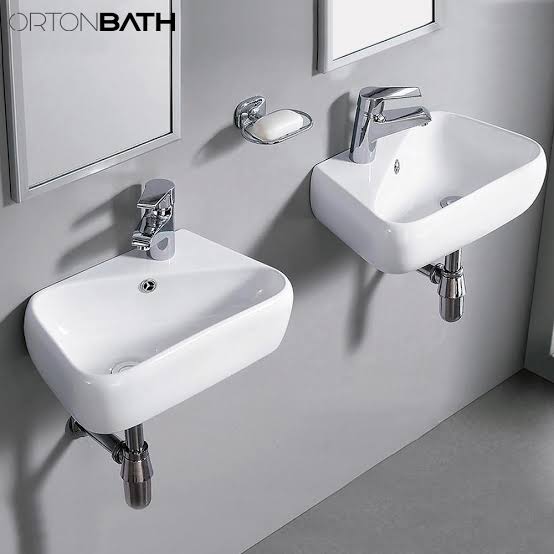
What Are the Benefits of Wall-Mounted Small Hand Basins for Toilets?
Designing a compact toilet requires careful planning to ensure every fixture serves a practical purpose without making the room feel crowded. A wall-mounted basin is an excellent option for small spaces because it attaches directly to the wall and leaves the floor beneath it open. This design creates a cleaner appearance while providing a convenient place for handwashing.
For homeowners, interior designers, and property developers, choosing the right basin involves balancing functionality, durability, and appearance. Modern Small Hand Basins for Toilets are available in different shapes, sizes, and finishes, making it easier to find a wall-mounted option that suits a compact layout. Understanding the benefits of this installation style can help you decide whether it is the right choice for your bathroom.
1. Saves Valuable Floor Space
One of the biggest advantages of a wall-mounted hand basin is its space-saving design. Unlike traditional pedestal basins or floor-standing vanity units, it does not require a bulky base or cabinet beneath the bowl.
This feature is particularly useful in narrow toilets where every inch of floor space matters. By keeping the area underneath the basin open, the room can feel less congested and easier to navigate.
Wall-mounted basins are available in shallow designs that project only a short distance from the wall. These models can be especially helpful in small guest toilets, apartment bathrooms, and compact washrooms in commercial buildings.
Practical tip: Measure the basin’s projection from the wall as well as its width. A narrower design may improve movement around the toilet and reduce the risk of accidental contact in a tight space.
2. Creates a More Spacious Appearance
A small toilet can feel cramped when large fixtures occupy much of the visible floor area. Wall-mounted basins help create a lighter visual effect because their exposed underside allows the floor to remain visible.
This uninterrupted floor line can make a compact room appear more open, even when its actual dimensions remain unchanged. The effect becomes more noticeable when the basin is paired with light-colored flooring, simple wall finishes, and a well-positioned mirror.
Minimalist designs with clean edges and slim profiles also help maintain a neat appearance. They work well in contemporary interiors where unnecessary visual clutter is avoided.
Practical tip: Choose a basin shape that complements the room’s layout. A slim rectangular model may suit a narrow wall, while a softly curved basin can create a gentler appearance.
3. Makes Floor Cleaning Easier
Cleaning a compact toilet can be challenging when fixtures have bulky bases or awkward corners. A wall-mounted basin reduces these obstacles by leaving the floor beneath it accessible.
This makes it easier to sweep, mop, and wipe the surrounding area without moving furniture or working around a pedestal. The open space can also reduce the accumulation of dust and debris around the basin’s base.
For households with busy routines, this straightforward cleaning arrangement can make regular maintenance less time-consuming. It can also be beneficial in offices, restaurants, hotels, and other facilities where washrooms need frequent cleaning.
However, wall-mounted basins still require routine cleaning around the bowl, faucet, drain, and wall connections.
Practical tip: Inspect the area where the basin meets the wall and clean it regularly to prevent moisture, soap residue, and dirt from building up.
4. Offers a Modern and Minimalist Design
Wall-mounted basins are popular in contemporary bathroom design because their simple installation creates a streamlined appearance. Without a pedestal or bulky vanity, the basin becomes a clean, functional feature rather than an oversized visual element.
They are available in a variety of styles, including square, rectangular, oval, and asymmetrical shapes. This range allows homeowners to match the basin with different interior themes, from minimalist and Scandinavian to industrial and modern luxury.
Finishes also influence the overall effect. Glossy white basins provide a timeless appearance, while selected matte or solid-surface finishes can introduce a more distinctive design element.
Practical tip: Coordinate the basin with the faucet, mirror, lighting, and other bathroom hardware. Consistent finishes and simple shapes help create a balanced interior.
5. Provides Flexible Installation Heights
Another advantage of wall-mounted basins is the flexibility they offer during installation. Depending on the product specifications, wall structure, and intended users, the basin can often be positioned at a suitable height for comfortable handwashing.
This can be useful in family homes, accessible washrooms, and commercial spaces with specific design requirements. A carefully planned height can improve convenience while making the basin easier to approach.
Nevertheless, installation height should not be selected without considering the surrounding fixtures and the basin’s dimensions. Faucet placement, drain connections, and the available wall structure must all be taken into account.
Practical tip: Determine the intended users and confirm applicable accessibility requirements before installation. For accessible toilets, consider knee clearance, approach space, pipe protection, and local building standards.
6. Works Well in Narrow and Awkward Layouts
Not every toilet has a convenient rectangular layout or a large uninterrupted wall. Some spaces include narrow passageways, doors close to fixtures, or limited room between the toilet and washbasin.
A compact wall-mounted basin can help address these challenges by reducing the amount of space occupied at floor level. Shallow models are particularly useful where a deeper basin would obstruct movement.
The wide range of basin shapes also makes it possible to find a design that works with unusual layouts. A narrow rectangular basin may fit a tight wall, while a compact asymmetrical design can provide a useful washing area in a restricted location.
Practical tip: Check the clearance between the basin, toilet, doorway, and nearby fittings before purchasing. The basin should provide comfortable access without obstructing movement.
7. Allows More Freedom in Bathroom Flooring Design
Because a wall-mounted basin does not sit on the floor, the flooring remains visible beneath it. This creates more continuity in the room’s design and can help decorative flooring patterns remain uninterrupted.
Large-format tiles, stone-look finishes, and simple neutral flooring can all benefit from this arrangement. The visible floor also helps maintain a consistent appearance when the same flooring extends throughout a small bathroom.
In addition, the absence of a pedestal makes it easier to clean the flooring around the basin. This can be useful in spaces where hygiene and regular maintenance are important.
Practical tip: Plan the flooring and plumbing layout together. The basin’s mounting height and drain position should be finalized before completing the wall and floor finishes.
8. Can Reduce the Need for Bulky Furniture
A conventional vanity cabinet may provide useful storage, but it can occupy valuable space in a small toilet. A wall-mounted basin offers a simpler alternative when storage is not the main priority.
By eliminating the cabinet, homeowners can preserve more open space and maintain a less cluttered appearance. This is particularly beneficial in guest toilets where only basic handwashing facilities are required.
If storage is necessary, a compact wall shelf, recessed niche, or slim cabinet can be installed separately, provided it does not interfere with the basin or restrict movement.
Practical tip: Decide which items actually need to be stored in the toilet before choosing a basin. Avoid adding unnecessary furniture that reduces the benefits of the wall-mounted design.
9. Supports Better Use of Small Commercial Washrooms
Wall-mounted hand basins can be practical in commercial environments such as offices, cafes, restaurants, retail stores, and hospitality facilities. These settings often need compact fixtures that support frequent use while remaining easy to clean.
Their open-floor design can simplify routine cleaning, while their streamlined appearance suits modern commercial interiors. Multiple basins can also be arranged along a wall where the available space and plumbing layout allow.
For commercial applications, appearance should not be the only consideration. The basin must be suitable for the expected frequency of use, cleaning procedures, and applicable plumbing requirements.
Practical tip: Review product specifications for durability, mounting requirements, cleaning compatibility, and replacement-part availability before selecting basins for a commercial project.
10. Offers a Wide Range of Material and Style Options
Wall-mounted basins are available in different materials and finishes, allowing buyers to choose according to budget, design preferences, and maintenance expectations.
Common options include ceramic, porcelain, glass, natural stone, and solid-surface materials. Each offers different advantages in terms of appearance, weight, maintenance, and installation requirements.
Ceramic and porcelain are widely used because their smooth surfaces are generally easy to clean. Solid-surface materials may provide additional design flexibility, while natural stone can create a distinctive appearance but may require more specialized care.
The material also affects installation. Heavier basins may need stronger mounting support, and certain materials require specific cleaning products to protect their finish.
Practical tip: Compare the manufacturer’s installation instructions, weight limits, maintenance recommendations, and warranty terms before making a final decision.
Important Considerations Before Installing a Wall-Mounted Basin
Although wall-mounted basins offer many benefits, proper installation is essential for safety, durability, and everyday convenience.
Check the Wall Structure
The wall and mounting system must be capable of supporting the basin and the loads it will experience during normal use. Depending on the construction, installation may require suitable reinforcement or a dedicated support frame.
Do not assume that every wall can safely support a basin using ordinary fixings. A qualified installer should assess the structure and select the appropriate mounting hardware.
Plan the Plumbing Connections
Water supply lines, the faucet, and the waste outlet must align with the basin’s design. Some models allow more flexibility than others, so reviewing the technical drawing before installation can help avoid costly adjustments.
Concealed plumbing can create a cleaner appearance, but it requires careful planning and suitable access for future maintenance.
Choose the Right Basin Dimensions
A basin that is too large may restrict movement, while one that is too small may provide insufficient washing space. Compare the overall width, depth, bowl dimensions, and projection from the wall.
Consider the location of the toilet, the door swing, and nearby accessories before finalizing the position.
Consider Water Splashing
A compact basin should still provide a usable bowl depth. The faucet’s height and reach should match the basin to direct water into the bowl and reduce splashing onto the floor or wall.
The position of the drain and the shape of the bowl can also affect everyday usability.
Review Maintenance Requirements
Different materials and finishes may require different cleaning methods. Follow the manufacturer’s recommendations and avoid abrasive products unless they are specifically approved for the surface.
Check the faucet connections, drain, and wall junction periodically to identify leaks or moisture problems early.
Are Wall-Mounted Small Hand Basins Right for Every Toilet?
Wall-mounted basins are an excellent option for many compact toilets, but they are not automatically the best choice for every space.
They are particularly suitable when floor space is limited, a modern appearance is preferred, or easy floor cleaning is a priority. They can also work well in commercial washrooms that need straightforward, space-efficient fixtures.
However, a different basin style may be more suitable when substantial storage is needed or when the existing wall cannot provide adequate support without major alterations. In such situations, a compact vanity basin or a pedestal model may offer a more practical solution.
The decision should depend on the room’s dimensions, structural conditions, plumbing arrangement, storage requirements, and intended use.
Conclusion
Wall-mounted small hand basins offer several practical benefits for compact toilets, including better use of floor space, a more open appearance, easier floor cleaning, and flexible design options. Their simple profiles make them suitable for modern homes, guest toilets, and many commercial washrooms.
To achieve the best results, choose a basin with appropriate dimensions, a comfortable bowl depth, and a finish that suits your maintenance preferences. Proper planning of the wall support, plumbing connections, faucet position, and installation height is equally important.
By balancing style with practical requirements, homeowners and designers can create a compact toilet that feels organized, comfortable, and easy to maintain. A well-selected wall-mounted basin can make a meaningful difference without requiring extensive space or unnecessary furniture.
About Post Author





More Stories
Why Thermal Receipt Printers Are Popular in Small and Medium-Sized Businesses
Cowboy Hat Plush Designs for Unique and Playful Fashion Looks
Exploring Color, Texture, and Finish Options in KKR Solid Surface Materials