

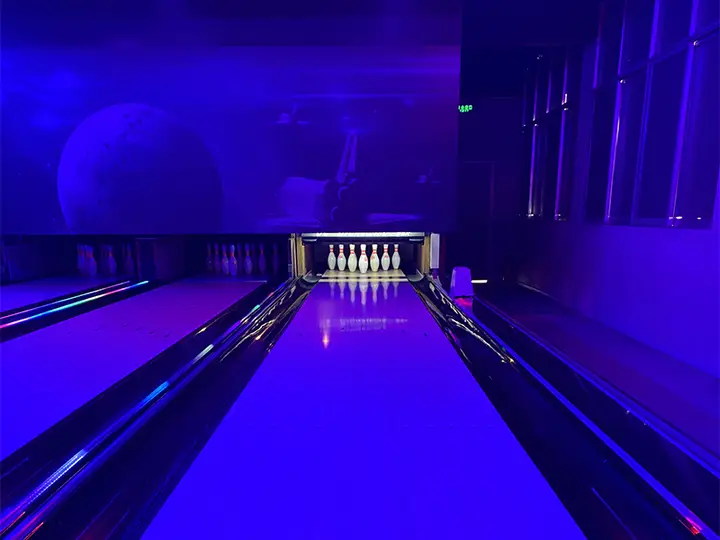
Budgeting for a bowling center involves more than calculating the initial equipment purchase. Pre-owned systems can have different maintenance histories and operating conditions, so future expenses should be considered alongside the purchase price.
When planning a budget for Used Bowling Equipment, buyers should account for inspection, transportation, installation, repairs, replacement components, and ongoing servicing. Looking at the complete ownership cost can make it easier to plan realistically and avoid unexpected expenses.
Start With the Equipment Purchase Price
The purchase price provides the starting point for the equipment budget, but it should not be treated as the complete investment.
Compare equipment based on condition, age, specifications, included components, and maintenance history rather than focusing only on the listed price.
Include Inspection Costs
A professional inspection can help identify mechanical, electrical, and structural issues before equipment is installed.
Although inspection adds an upfront expense, it can provide useful information for estimating repairs and replacement requirements.
Estimate Transportation Expenses
Bowling equipment can be large, heavy, and difficult to move. Transportation costs may include removal, loading, packaging, shipping, unloading, and handling at the new facility.
Request transportation estimates early so these costs are included in the project budget.
Plan for Installation
Installation can represent a significant portion of the overall investment. Equipment may require positioning, mechanical connections, electrical work, alignment, calibration, and system integration.
If professional installation is required, obtain an estimate before finalizing the equipment purchase.
Budget for Initial Repairs
Pre-owned equipment may need repairs before returning to regular operation. Common expenses can include worn belts, bearings, motors, sensors, switches, cables, and other components.
Create a preliminary repair allowance based on the inspection results rather than assuming the equipment will require no immediate work.
Consider Replacement Parts
Some older equipment may require specialized or less commonly available components. Before purchasing, identify the parts most likely to require replacement over time.
A parts budget should account for both routine wear items and higher-cost components that may eventually need attention.
Calculate Routine Maintenance Costs
Routine maintenance helps protect equipment performance and can reduce avoidable downtime. Depending on the equipment, maintenance may include cleaning, lubrication, adjustments, inspections, and component replacement.
Estimate these costs based on the manufacturer’s recommendations and the expected operating schedule.
Account for Labor
Maintenance expenses are not limited to replacement parts. Technician labor, troubleshooting, installation, calibration, and emergency service can also affect operating costs.
If the facility has in-house maintenance staff, factor in labor requirements. Otherwise, establish a budget for outside technical support.
Build a Preventive Maintenance Budget
Preventive maintenance is easier to manage when it has a dedicated budget. Set aside funds for scheduled inspections and servicing rather than waiting until equipment develops a major problem.
A preventive maintenance plan can also help spread expenses more evenly throughout the year.
Prepare for Unexpected Repairs
Even well-maintained equipment can experience unexpected failures. A maintenance reserve provides financial flexibility when urgent repairs are required.
The reserve can cover emergency labor, replacement components, transportation, or temporary equipment-related expenses.
Consider Equipment Age
Age can influence both maintenance requirements and parts availability. Older systems may require more frequent attention or have components that are harder to source.
When comparing equipment, consider expected remaining service life rather than focusing only on its current condition.
Evaluate Operating Volume
A bowling center with high customer traffic may place greater demands on equipment than a lower-volume facility.
Higher usage can increase wear on mechanical components and create a greater need for regular inspections and replacement parts. Budgeting should reflect the expected operating schedule.
Plan for Technology Upgrades
Some older equipment may eventually require upgrades to remain compatible with modern scoring, control, or customer-facing systems.
Include potential technology upgrades in longer-term financial planning, particularly if the existing equipment uses older interfaces or systems.
Track Maintenance Expenses
Once the bowling center is operating, record maintenance expenses by equipment type and component.
Tracking repair frequency and costs can help identify recurring issues and make future budgeting more accurate.
Create a Long-Term Replacement Plan
No equipment lasts indefinitely. A long-term plan should identify which components may eventually need major repair or replacement.
Instead of treating these expenses as unexpected events, estimate their likely timing and gradually allocate funds for them.
Example Budget Categories
A practical budget can be divided into several categories:
- Equipment purchase
- Inspection and assessment
- Transportation
- Installation
- Initial repairs
- Replacement parts
- Routine maintenance
- Technician labor
- Emergency repairs
- Technology upgrades
- Long-term equipment replacement
Separating these categories makes it easier to identify areas where additional funds may be required.
Review the Budget Regularly
A budget should evolve as more information becomes available. Inspection results, actual maintenance costs, operating volume, and equipment performance can all change future estimates.
Review the maintenance budget periodically and adjust it according to real operating data.
Final Thoughts
Budgeting for pre-owned bowling equipment requires a broader view than simply comparing purchase prices. Inspection, transportation, installation, repairs, replacement components, labor, and routine servicing can all contribute to the total cost of ownership.
By creating separate short-term and long-term maintenance budgets, bowling center owners can better prepare for routine expenses and unexpected repairs. A detailed financial plan can also make it easier to evaluate whether a particular equipment setup fits the facility’s operational needs.
About Post Author

More Stories
Wudu Basin Installation: Important Measurements and Plumbing Considerations
Enjoy Smooth, Creamy Coffee Creations with an Efficient Electric Milk Frother
China B87 Air Pick: Specifications, Heavy-Duty Applications, and Performance Advantages