

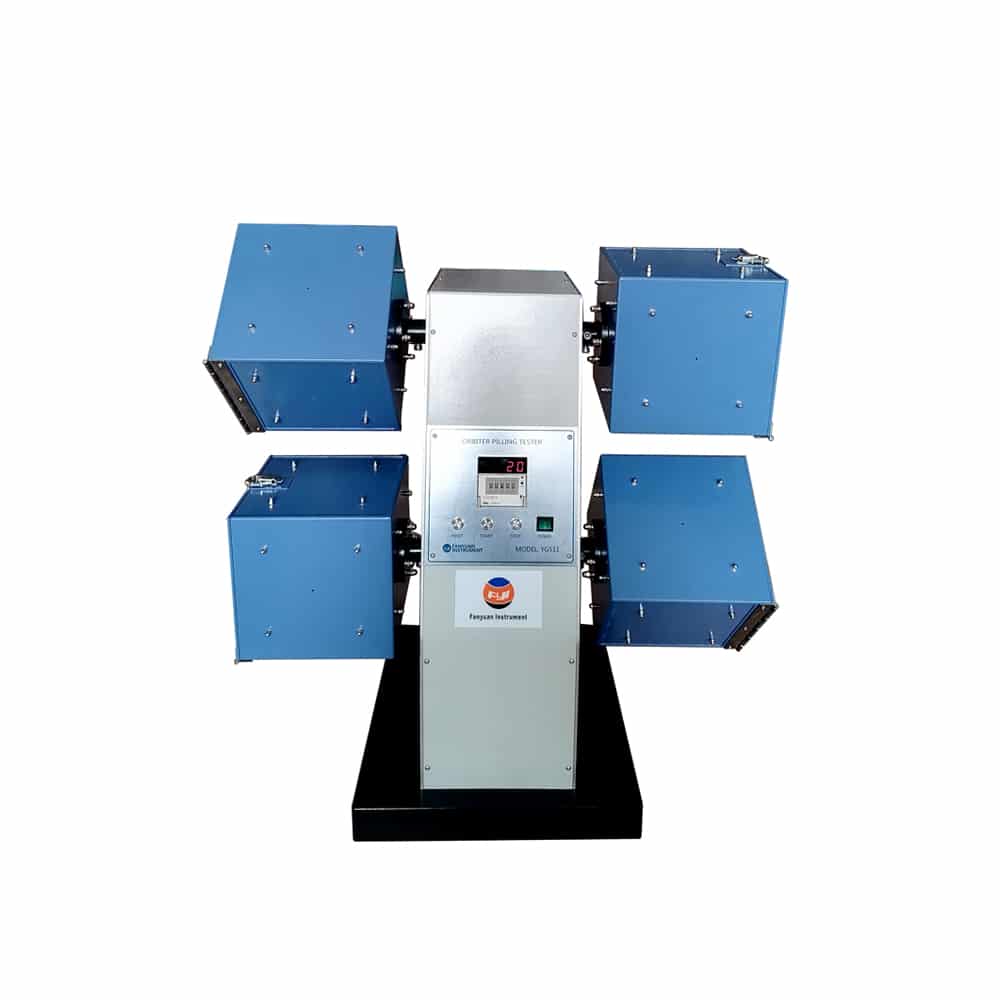
Fabric quality is judged not only by its strength and comfort but also by how well it maintains its appearance over time. One of the most common issues affecting textiles is pilling, where loose fibers on the fabric surface become tangled into small balls after repeated friction. Although pilling does not usually reduce a fabric’s structural integrity, it can significantly affect its visual appeal and customer satisfaction.
To evaluate this characteristic accurately, textile laboratories use the ici pilling test method. This internationally recognized testing procedure simulates everyday wear under controlled conditions, allowing manufacturers to measure a fabric’s resistance to pilling and ensure consistent quality before products reach the market.
Table of Contents
ToggleWhat Is the ICI Pilling Test Method?
The ICI Pilling Test Method is a standardized laboratory procedure used to assess how likely a fabric is to develop surface pills during normal use. The test recreates the rubbing action that occurs during wearing and handling, helping manufacturers predict how a textile will look after prolonged use.
Fabric specimens are mounted on polyurethane tubes and placed inside cork-lined rotating boxes. As the boxes rotate, friction causes fibers to loosen and form pills, which are then evaluated using standardized grading scales.
Why Is Pilling Assessment Important?
A fabric that pills quickly may appear worn even if it remains structurally sound. Assessing pilling resistance helps manufacturers improve product quality and customer satisfaction.
Benefits of pilling assessment include:
- Improving fabric appearance retention
- Supporting product development
- Comparing different textile materials
- Reducing customer complaints
- Meeting quality standards and buyer requirements
Regular testing also helps identify production issues before products enter the market.
How the ICI Pilling Test Method Works
The testing procedure follows a series of standardized steps to ensure reliable and repeatable results.
Sample Preparation
Fabric specimens are cut according to the required dimensions specified by the testing standard. Samples should be free from defects that could influence the results.
Conditioning
Before testing, the specimens are conditioned under controlled temperature and humidity. This ensures that all samples begin the test under consistent environmental conditions.
Mounting the Specimens
Each fabric specimen is wrapped smoothly around a polyurethane tube and secured without wrinkles or excessive tension. Proper mounting is essential for accurate testing.
Simulating Fabric Wear
The mounted specimens are placed inside cork-lined rotating boxes. Continuous rotation creates controlled friction that mimics the abrasion fabrics experience during everyday use.
Visual Evaluation
After the required number of rotations, the samples are removed and compared with standardized photographic grading references. The amount of pilling observed determines the fabric’s final rating.
Understanding the Pilling Rating System
Most laboratories use a five-grade rating system to evaluate pilling resistance.
| Grade | Fabric Condition |
|---|---|
| Grade 5 | No visible pilling |
| Grade 4 | Slight pilling |
| Grade 3 | Moderate pilling |
| Grade 2 | Noticeable pilling |
| Grade 1 | Severe pilling |
Higher grades indicate better resistance to pilling and improved appearance retention.
Factors That Affect Test Results
Several characteristics influence how fabrics perform during the ICI Pilling Test.
Fiber Composition
Synthetic fibers often retain pills because of their strength, while natural fibers may shed pills more easily after they form.
Yarn Construction
Higher yarn twist generally reduces the number of loose surface fibers, improving pilling resistance.
Fabric Structure
Knitted fabrics are usually more prone to pilling than woven fabrics because of their flexible construction.
Fabric Finishing
Anti-pilling finishes, enzyme treatments, and other finishing processes can significantly improve resistance to surface fuzzing.
Industries That Use the ICI Pilling Test Method
The ICI Pilling Test Method is widely used across the textile industry.
Common applications include:
- Apparel manufacturing
- Knitwear production
- Sportswear development
- Home textiles
- Upholstery fabrics
- Automotive interior textiles
- Textile research laboratories
These industries depend on standardized testing to ensure consistent product quality.
Best Practices for Accurate Testing
To achieve reliable and repeatable results, laboratories should follow established testing procedures.
Recommended practices include:
- Condition specimens before testing.
- Prepare samples according to international standards.
- Calibrate testing equipment regularly.
- Replace worn cork liners when necessary.
- Evaluate specimens under standardized lighting.
- Ensure grading is performed by trained personnel.
Following these practices improves the consistency and accuracy of pilling assessments.
Advantages of the ICI Pilling Test Method
The ICI Pilling Test Method offers several benefits for manufacturers and quality control laboratories.
Key advantages include:
- Reliable and repeatable results
- Standardized testing procedures
- Objective comparison of fabric performance
- Improved product development
- Compliance with international standards
- Better quality assurance throughout production
These benefits help manufacturers produce fabrics that retain their appearance over time.
Conclusion
The ICI Pilling Test Method is one of the most trusted procedures for assessing a fabric’s resistance to pilling. By simulating everyday wear under controlled laboratory conditions, it provides manufacturers with valuable insight into how textiles will perform throughout their service life.
Using this standardized method as part of routine quality control enables manufacturers to compare materials accurately, improve fabric development, and ensure products meet both international standards and customer expectations for durability and appearance.


More Stories
Wudu Basin Installation: Important Measurements and Plumbing Considerations
Enjoy Smooth, Creamy Coffee Creations with an Efficient Electric Milk Frother
China B87 Air Pick: Specifications, Heavy-Duty Applications, and Performance Advantages