

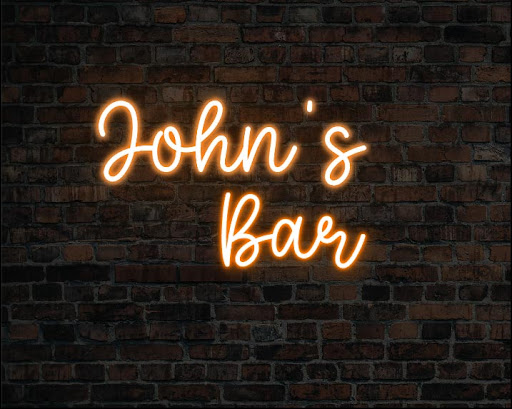
Lighting has become an essential part of modern interior design, branding, and event decoration. Among the most popular decorative lighting options today are LED neon signs, known for their flexibility, durability, and eye-catching glow. Businesses, homeowners, and event planners increasingly use neon-style lighting to create memorable visual experiences while maintaining energy efficiency.
One major reason for the growing demand for custom led neon lights is the wide range of materials, colors, and design styles available. Unlike traditional neon tubes made from fragile glass, LED-based neon designs provide more customization opportunities while offering improved safety and lower maintenance requirements.
Table of Contents
ToggleUnderstanding the Materials Used in LED Neon Signs
The materials used in LED neon products play an important role in appearance, flexibility, and durability. Modern manufacturing techniques allow these signs to mimic the classic neon glow while using more practical components.
Flexible Silicone Tubing
One of the most common materials used in LED neon signs is silicone tubing. Silicone offers several advantages:
- Strong resistance to heat
- Flexible shaping capabilities
- Smooth and even light diffusion
- Better weather resistance
Because of its flexibility, silicone tubing can create curved lettering, artistic shapes, and intricate decorative patterns without breaking easily.
PVC Neon Housing
PVC is another widely used material in LED neon manufacturing. It provides structural support while helping protect internal LED strips from dust and moisture.
PVC-based neon designs are often lightweight and suitable for indoor decorative installations. They also help maintain affordability while supporting a clean visual finish.
Acrylic Backboards
Most LED neon signs are mounted onto acrylic backboards for support and presentation. These backboards are available in multiple styles, including:
- Transparent acrylic
- Colored acrylic
- Cut-to-shape designs
- Full rectangular panels
The choice of backboard can significantly influence the overall visual effect of the sign.
Popular Color Options for LED Neon Lighting
Color selection is one of the most exciting aspects of custom neon design. Different shades can completely change the atmosphere of a room or commercial environment.
Warm and Soft Tones
Warm colors create a comfortable and welcoming ambiance. These tones are especially popular in homes, cafés, and event venues.
Common warm shades include:
- Warm white
- Soft pink
- Golden yellow
- Orange
These colors work well in cozy spaces where relaxed lighting is preferred.
Bold and Vibrant Colors
Bright neon colors are frequently used for retail stores, bars, gaming setups, and promotional displays because they attract immediate attention.
Popular vibrant options include:
- Electric blue
- Bright red
- Neon green
- Purple
- Hot pink
These colors often become focal points within a space.
RGB and Color-Changing Effects
Advanced LED systems now allow RGB functionality, enabling users to switch between multiple colors using remote controls or mobile apps.
RGB neon lighting offers:
- Dynamic lighting effects
- Adjustable brightness
- Multiple mood settings
- Enhanced event customization
This option is especially useful for entertainment spaces and modern commercial interiors.
Style Variations in Custom Neon Design
LED neon signs are available in countless artistic styles. The flexibility of modern LED technology allows for highly personalized creations suited to different aesthetics.
Minimalist Typography
Simple text-based neon signs remain one of the most popular design choices. Clean fonts paired with neutral colors create a modern and elegant appearance.
Minimalist styles are commonly used in:
- Home offices
- Bedrooms
- Coffee shops
- Boutique stores
Short phrases or names often work best for this design approach.
Artistic Shapes and Symbols
Many users choose custom graphics instead of text. Artistic neon elements can include:
- Abstract line art
- Nature-inspired designs
- Animal outlines
- Geometric patterns
- Music or gaming icons
These styles help create visually distinctive spaces while functioning as decorative artwork.
Retro and Vintage Styles
Classic neon aesthetics continue to influence modern LED sign design. Retro-inspired signs often feature bold script fonts and bright colors reminiscent of vintage diners and entertainment venues.
This style works particularly well for:
- Restaurants
- Bars
- Music studios
- Themed entertainment spaces
The nostalgic appearance creates a memorable visual atmosphere.
Modern Commercial Branding
Businesses increasingly use LED neon signs as branding tools. Company logos, slogans, and custom graphics can be transformed into illuminated displays that improve customer engagement and brand recognition.
Modern branding-focused neon designs prioritize:
- Clear readability
- Strong contrast
- Consistent brand colors
- Professional presentation
These signs are frequently installed behind reception desks or storefront windows.
Indoor and Outdoor Design Considerations
Not every LED neon sign is intended for outdoor use. Outdoor-rated products typically include waterproof materials and enhanced durability features.
When selecting a design, users should consider:
- Exposure to weather
- Sunlight intensity
- Mounting surface
- Power accessibility
Indoor signs generally focus more on decorative appearance, while outdoor signs emphasize weather resistance and visibility.
Final Thoughts
Custom LED neon lighting offers a unique combination of creativity, personalization, and functionality. From silicone tubing and acrylic backboards to vibrant RGB color systems and artistic design styles, modern neon solutions provide endless possibilities for homes, businesses, and events.
By understanding the available materials, color options, and style variations, users can create lighting designs that match their personal taste while enhancing the visual appeal of any environment.

More Stories
Wudu Basin Installation: Important Measurements and Plumbing Considerations
Enjoy Smooth, Creamy Coffee Creations with an Efficient Electric Milk Frother
China B87 Air Pick: Specifications, Heavy-Duty Applications, and Performance Advantages