

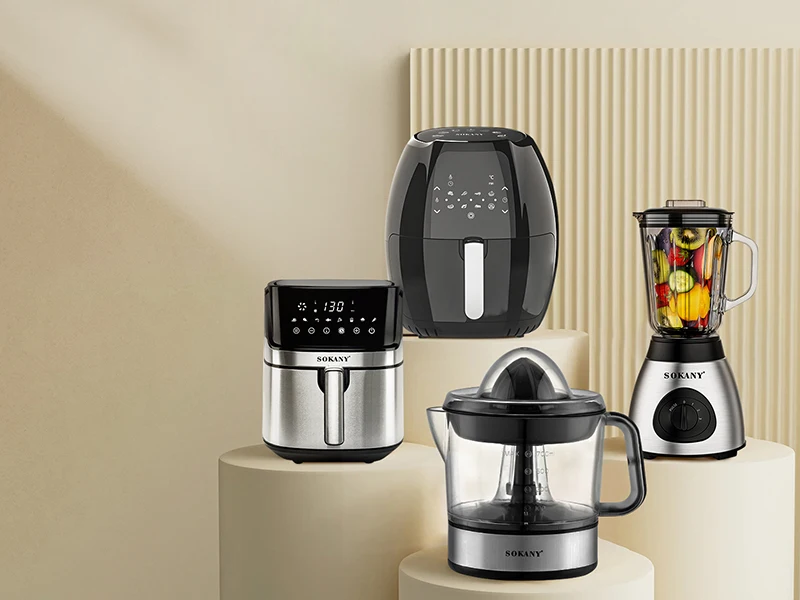
As small household appliances become increasingly integrated into everyday life, safety and regulatory compliance have become critical factors in their production and distribution. From kitchen devices to personal care tools, these products must meet strict standards to ensure they are safe, reliable, and suitable for international markets. For businesses operating in this sector, understanding certification requirements is essential for maintaining product credibility and avoiding legal or trade barriers.
In this context, working with experienced small appliance suppliers helps ensure that products are manufactured in accordance with global safety standards and regulatory frameworks. These suppliers play a vital role in ensuring that appliances not only perform efficiently but also comply with regional certification requirements before reaching consumers.
Table of Contents
ToggleWhy Certification Matters in the Small Appliance Industry
Certification is a formal process that verifies whether a product meets established safety, quality, and performance standards. In the small appliance industry, certification is especially important because these products often involve electricity, heating elements, or mechanical components that can pose risks if not properly regulated.
Key reasons certification is essential include:
- Ensuring user safety during everyday operation
- Meeting import and export regulations in different countries
- Building trust with retailers and end consumers
- Reducing liability risks for brands and distributors
Without proper certification, products may face shipment delays, customs rejection, or even market bans in certain regions.
Common International Safety Standards
Small appliances must comply with different certification systems depending on the target market. Each region has its own regulatory framework designed to ensure product safety and environmental responsibility.
CE Certification (Europe)
CE marking indicates that a product meets European Union safety, health, and environmental protection standards. It is mandatory for most electrical appliances sold in the EU.
RoHS Compliance
RoHS restricts the use of hazardous substances in electrical and electronic equipment, ensuring environmentally safer production practices.
UL Certification (United States)
UL certification focuses on product safety standards in the U.S., particularly for electrical and fire hazards.
FCC Compliance
FCC certification ensures that electronic devices do not cause harmful electromagnetic interference in communication systems.
ISO Standards
ISO certifications relate to quality management systems and manufacturing processes, ensuring consistent production standards across facilities.
Role of Suppliers in Ensuring Compliance
Small appliance suppliers are responsible for integrating certification requirements into the manufacturing process. Compliance is not an afterthought—it is built into every stage of production, from design to final inspection.
Their responsibilities typically include:
- Designing products according to international safety standards
- Using certified materials and components
- Conducting internal testing and quality inspections
- Coordinating third-party certification audits
- Maintaining documentation for regulatory approval
By managing these processes, suppliers help ensure that products can be legally sold in multiple global markets without additional modification.
Product Testing and Quality Assurance Processes
Before certification is granted, small appliances must undergo rigorous testing to evaluate safety, durability, and performance. These tests simulate real-world usage conditions to identify potential risks.
Common testing procedures include:
- Electrical safety testing for overheating or short circuits
- Mechanical durability tests for long-term use
- Performance testing under different voltage conditions
- Material safety analysis for toxic or hazardous substances
These evaluations help ensure that appliances meet both regulatory requirements and consumer expectations.
Risks of Non-Compliance
Failure to meet certification and safety standards can have serious consequences for businesses. Non-compliant products may face:
- Customs rejection or shipment delays
- Financial penalties or legal action
- Product recalls and brand reputation damage
- Loss of access to key international markets
For this reason, businesses must carefully verify that their suppliers adhere to all relevant compliance requirements before entering distribution agreements.
Evolving Global Regulations
Safety and certification standards are constantly evolving as new technologies and environmental concerns emerge. Governments and regulatory bodies frequently update requirements to address issues such as energy efficiency, electronic waste reduction, and consumer protection.
This creates ongoing challenges for manufacturers and suppliers, who must continuously adapt their production processes. Staying updated with regulatory changes is essential for maintaining market access and competitiveness.
Conclusion
Certification and safety compliance are fundamental aspects of the small appliance industry, ensuring that products are safe, reliable, and suitable for global distribution. From international certifications like CE and UL to internal quality assurance processes, every stage of production plays a role in meeting regulatory standards. By working with knowledgeable suppliers, businesses can navigate complex compliance requirements and confidently deliver safe, high-quality products to global consumers.



More Stories
Essential Mining Substation Equipment for Safe and Reliable Power Distribution
How TikTok Creator Tools Help Creators Analyze Performance and Increase Engagement
Wudu Basin Installation: Important Measurements and Plumbing Considerations