

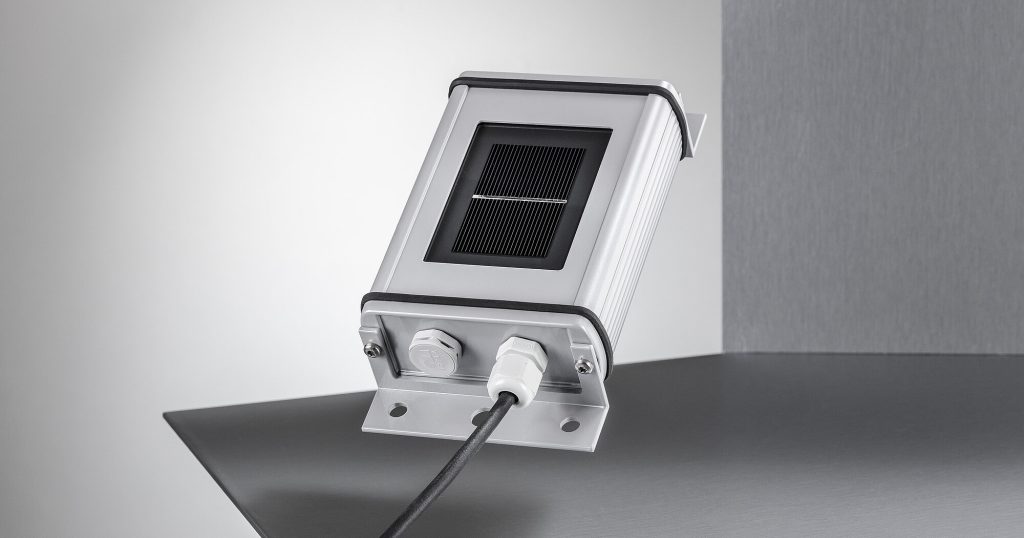
The field of solar energy is rapidly evolving, and with it, the technology behind irradiance sensors is experiencing significant advancements. Irradiance sensors play a crucial role in measuring solar radiation, enabling accurate monitoring, forecasting, and optimization of solar energy systems. As the demand for renewable energy grows, innovations in sensor technology are essential to enhance efficiency, reliability, and precision in solar power applications. Understanding emerging trends and future developments in this field can provide insights into how solar energy systems will become more intelligent and effective.
One of the key areas of innovation in irradiance sensor technology is the improvement of accuracy and sensitivity. Advanced sensors are being developed to measure not only global solar irradiance but also diffuse and direct components of sunlight with higher precision. The Irradiance Sensor represents a step forward in this direction, offering precise measurements suitable for both research and commercial solar energy applications. Future models are expected to feature enhanced spectral response, enabling them to more closely match the response of photovoltaic cells and provide more accurate predictions of energy output.
Table of Contents
ToggleMiniaturization and Compact Design
As technology advances, irradiance sensors are becoming smaller, lighter, and more compact. Miniaturized sensors reduce installation complexity and allow for deployment in locations where space is limited, such as urban solar installations or rooftop solar panels. Compact sensors also consume less power, making them ideal for remote or off-grid solar projects. This trend in miniaturization will enable more widespread use of irradiance sensors, supporting a larger network of solar monitoring points and enhancing data granularity for energy forecasting and system optimization.
Integration with Smart Technologies
The integration of irradiance sensors with smart technologies is another significant trend. Future sensors are expected to work seamlessly with the Internet of Things (IoT), artificial intelligence (AI), and cloud-based data platforms. This integration will enable real-time monitoring, predictive analytics, and automated control of solar energy systems. For example, AI algorithms can analyze irradiance data alongside weather forecasts and panel performance metrics to optimize energy output dynamically. The combination of smart sensors and advanced software will facilitate highly efficient solar systems capable of adapting to changing environmental conditions.
Enhanced Durability and Environmental Resistance
Future irradiance sensors are being designed to withstand harsher environmental conditions while maintaining accuracy. Innovations in materials and protective coatings aim to make sensors more resistant to extreme temperatures, humidity, dust, and UV exposure. Enhanced durability ensures long-term reliability, particularly in large-scale solar farms or regions with challenging climates. Sensors that maintain calibration over extended periods reduce maintenance costs and provide consistent, dependable data for energy management.
Multi-Parameter Sensing
Emerging irradiance sensor technologies are increasingly capable of measuring multiple parameters simultaneously. Beyond solar irradiance, sensors are being developed to track temperature, humidity, wind speed, and other environmental factors that influence solar panel performance. Multi-parameter sensors offer a more comprehensive understanding of the conditions affecting solar energy systems, enabling operators to make more informed decisions and implement more effective optimization strategies.
Wireless Communication and Energy Harvesting
Future irradiance sensors are expected to adopt wireless communication technologies, reducing the need for extensive cabling and simplifying installation. Low-power wireless sensors can transmit real-time data to monitoring systems or cloud platforms efficiently. Additionally, energy-harvesting technologies are being integrated into sensors, allowing them to power themselves using solar energy or ambient light. This innovation ensures continuous operation, even in remote or off-grid locations, and reduces reliance on external power sources.
Advancements in Calibration and Self-Adjustment
Next-generation irradiance sensors may feature self-calibration and adaptive adjustment capabilities. These sensors will automatically correct for drift, aging, or environmental changes, maintaining high accuracy without manual recalibration. Self-adjusting sensors simplify maintenance, reduce operational costs, and ensure reliable performance over long periods. For large-scale solar installations, this innovation is particularly valuable, as it allows operators to maintain optimal sensor accuracy across hundreds or thousands of units with minimal effort.
Contribution to Renewable Energy Research
Innovations in irradiance sensor technology are not limited to commercial applications; they also advance renewable energy research. High-precision, smart, and multi-parameter sensors provide researchers with detailed data on solar radiation patterns, environmental effects, and photovoltaic performance. These insights support the development of more efficient solar technologies, better forecasting models, and sustainable energy strategies worldwide.
Conclusion
The future of irradiance sensor technology promises to revolutionize solar energy monitoring and optimization. Key trends include enhanced accuracy, miniaturization, integration with smart technologies, improved durability, multi-parameter sensing, wireless communication, and self-calibration. These advancements will enable solar energy systems to operate more efficiently, reduce operational costs, and provide precise data for both research and commercial applications. As innovations continue, irradiance sensors will become indispensable tools in maximizing the potential of solar energy, driving the transition toward a more sustainable and intelligent energy landscape.





More Stories
Instagram PVA Accounts: Complete Professional Guide for Safe Scaling, Marketing Performance, and Account Trust Building
A Detailed Look at the Top 10 Excavator Manufacturers in China
The Importance of Choosing the Right Mini Excavator Manufacturer