

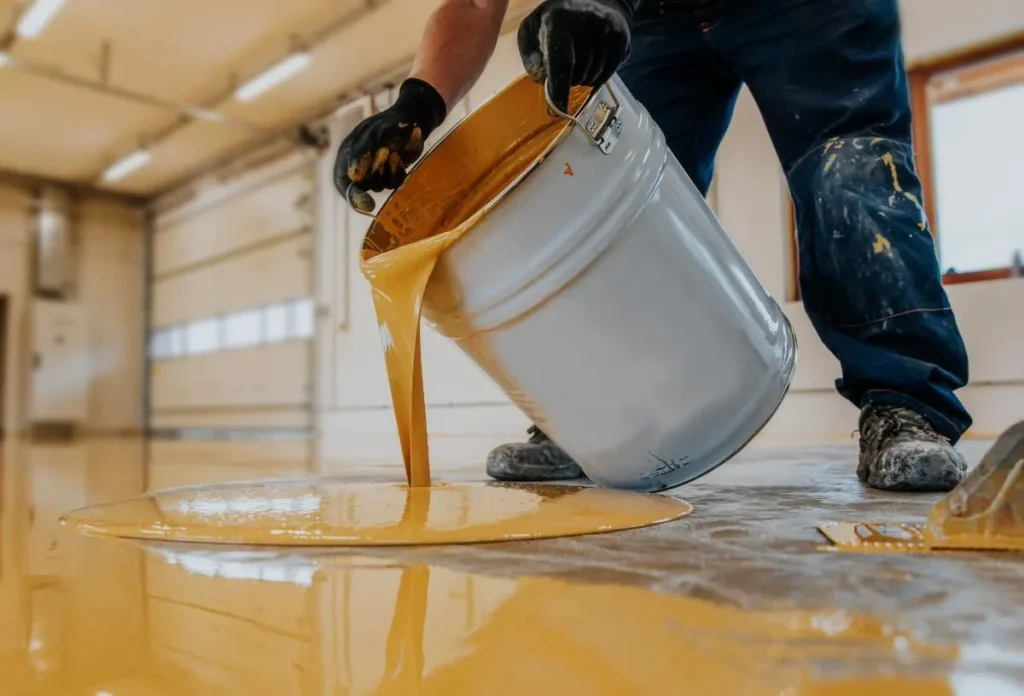
Upgrading a basement floor is one of the most impactful ways to improve your home’s appearance, functionality, and value. Epoxy flooring has become a top choice among homeowners due to its durability, water resistance, and modern finish. It protects the concrete underneath while providing a smooth, easy-to-clean surface. Understanding the costs and factors involved in epoxy flooring ensures a successful project that fits your budget.
When considering Epoxy Basement Floor Cost, it is important to account for variables like the type of epoxy, basement size, labor charges, surface preparation, and any decorative enhancements. Knowing these factors allows homeowners to plan efficiently and achieve a high-quality, long-lasting finish without unexpected expenses.
What Is Epoxy Basement Flooring?
Epoxy basement flooring is a durable coating applied over concrete floors, creating a seamless and high-gloss surface. It is made from epoxy resin mixed with a hardener, which chemically bonds to the concrete. The result is a floor that resists moisture, stains, chemicals, and heavy wear. Epoxy floors are available in various finishes, including solid colors, metallic coatings, and decorative flakes, giving homeowners both protection and aesthetic flexibility.
Key benefits of epoxy basement flooring:
-
Long-lasting durability and protection
-
High resistance to moisture and chemical damage
-
Easy to clean and maintain
-
Wide selection of colors and textures
-
Modern aesthetic that enhances home value
Epoxy flooring is particularly suitable for basements that are prone to dampness or high foot traffic, combining practicality with visual appeal.
Factors Affecting Epoxy Basement Floor Cost
Several important factors determine the total cost of installing an epoxy basement floor:
1. Type of Epoxy
Different types of epoxy affect both price and durability:
-
Water-based epoxy: Budget-friendly and easy to apply, ideal for light-use areas
-
Solvent-based epoxy: More durable and moisture-resistant, mid-range cost
-
100% solids epoxy: Premium option with superior durability, suitable for heavy-use areas
2. Basement Size
The total square footage is a primary cost factor. Larger basements require more material and labor, which naturally increases the overall cost. On average, epoxy flooring ranges from $3 to $12 per square foot, depending on type and complexity.
3. Surface Preparation
Proper preparation ensures a smooth finish and long-lasting adhesion:
-
Cleaning and degreasing the concrete
-
Grinding or shot-blasting uneven surfaces
-
Repairing cracks and holes
-
Applying a primer layer
Though this adds to labor costs, it prevents peeling, bubbling, and uneven surfaces over time.
4. Labor Costs
Hiring professional installers guarantees a uniform finish and proper curing. Labor costs vary depending on project size, complexity, and location. While small areas may allow DIY installation, professional application ensures superior results and durability.
5. Decorative Options
Decorative features like metallic finishes, colored flakes, or anti-slip textures increase cost but create a custom, attractive finish that can elevate the basement’s look.
Average Epoxy Basement Floor Cost
Cost varies depending on size, epoxy type, labor, and decorative options:
-
Small basements (100–300 sq. ft.): $400–$2,500
-
Medium basements (300–600 sq. ft.): $2,500–$5,500
-
Large basements (600+ sq. ft.): $5,500–$10,000+
Cost per square foot: $3–$12 for standard epoxy; decorative finishes can reach $15 per sq. ft.
Comparing Epoxy with Other Basement Flooring
| Feature | Epoxy | Carpet | Vinyl | Tile |
|---|---|---|---|---|
| Durability | High | Low | Medium | Medium-High |
| Moisture Resistance | Excellent | Poor | Good | Good |
| Maintenance | Low | Medium | Low | Medium |
| Cost | $3–$12/sq. ft. | $1–$5/sq. ft. | $2–$7/sq. ft. | $5–$15/sq. ft. |
| Style Options | Wide | Limited | Medium | Wide |
Epoxy stands out for durability, low maintenance, moisture resistance, and versatile design options, making it ideal for basement applications.
Tips to Reduce Epoxy Basement Floor Cost
-
DIY Surface Preparation: Cleaning, degreasing, and minor repairs yourself can reduce labor costs.
-
Select mid-range epoxy: Balances affordability with durability.
-
Limit decorative options: Simple coatings are budget-friendly yet stylish.
-
Compare multiple quotes: Ensures competitive pricing.
-
Schedule during off-season: Contractors may offer discounts in slower months.
Installation Timeline
Most epoxy basement floor projects take 2–5 days, depending on size and complexity.
Installation steps:
-
Remove existing flooring if needed
-
Clean and prepare concrete surface
-
Repair cracks and imperfections
-
Apply primer layer
-
Coat with epoxy (multiple layers)
-
Add decorative finishes if desired
-
Allow proper curing before use
Maintaining Epoxy Basement Floors
Epoxy floors are low-maintenance, but following a few best practices maximizes longevity:
-
Sweep or vacuum regularly
-
Mop occasionally with gentle cleaner
-
Wipe spills immediately
-
Use protective pads under heavy furniture
-
Reapply topcoat every few years
With proper care, epoxy floors can last 10–20 years while retaining shine and durability.
Voice Search-Friendly FAQ
Q: How much does epoxy basement flooring cost?
A: Small basements cost $400–$2,500, medium $2,500–$5,500, and large basements $5,500–$10,000+.
Q: Is epoxy suitable for basements?
A: Yes, it is durable, moisture-resistant, and perfect for high-traffic or damp areas.
Q: Can I install epoxy flooring myself?
A: DIY is possible for small areas, but professional installation ensures durability and a flawless finish.
Q: How long do epoxy floors last?
A: With proper care, epoxy basement floors can last 10–20 years.
Q: Are decorative epoxy floors more expensive?
A: Yes, metallic coatings, colored flakes, and textured options increase the cost.
Final Thoughts
Epoxy basement flooring is a smart investment, providing durability, low maintenance, and a modern look that enhances both functionality and property value. By understanding the factors that affect Epoxy Basement Floor Cost—including material type, labor, basement size, and decorative options—homeowners can plan effectively and achieve a professional-quality result. With proper installation and care, epoxy floors can remain functional and attractive for decades, making them one of the most reliable basement flooring solutions available today.
About Post Author




More Stories
15 Benefits of Partnering with a Professional Commercial Furniture Manufacturer
Why Global Buyers Prefer Experienced Meditation Seat Manufacturers
How to Compare Different Living Room Furniture Manufacturers