

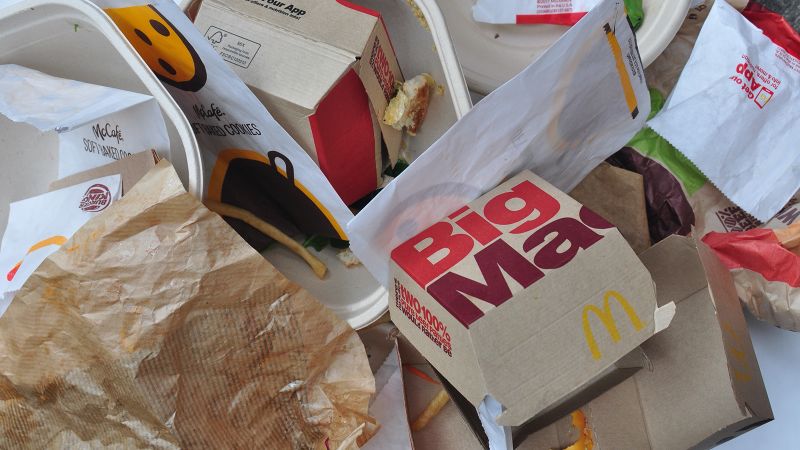
Fast food packaging is a vital element of the foodservice industry, affecting everything from food quality and presentation to sustainability and customer experience. Among the various types of packaging available, paper, cardboard, and biodegradable fast food boxes are the most commonly used. Understanding the differences between these materials helps businesses choose the right packaging that balances durability, functionality, and environmental responsibility.
One practical solution for versatile packaging is fast food boxes. These boxes are available in different materials, allowing businesses to select options that suit specific menu items, operational needs, and sustainability goals. Comparing paper, cardboard, and biodegradable boxes highlights their unique features and benefits, helping businesses make informed decisions.
Paper Fast Food Boxes
Paper-based fast food boxes are lightweight, cost-effective, and highly versatile. They are often used for lightweight meals, snacks, or single-portion items such as sandwiches and small pastries. Paper boxes can be coated with a thin layer of wax or polyethylene to resist grease and moisture, making them suitable for slightly oily or moist foods.
The main advantage of paper boxes is their affordability and ease of customization. Businesses can print logos, brand colors, and promotional messages directly on the surface. However, paper boxes are less durable than other materials and may not be suitable for heavy or liquid-containing meals. They are best used for short-term applications where minimal insulation and structural support are required.
Cardboard Fast Food Boxes
Cardboard fast food boxes are thicker and sturdier than paper, providing better insulation, protection, and durability. They are ideal for both hot and cold meals, such as burgers, fries, pasta, and salads. Cardboard can be corrugated or single-layered, with corrugated boxes offering additional strength for heavier items or multiple portions.
Cardboard boxes are also easy to customize with printing and branding. They maintain food structure during transport, reducing the risk of spills or damage. Some cardboard boxes come with features like vents for steam release or compartmentalization to separate different components of a meal. Although slightly more expensive than paper boxes, cardboard provides superior performance in terms of durability and protection.
Biodegradable Fast Food Boxes
Biodegradable fast food boxes have gained popularity due to increasing environmental awareness. These boxes are typically made from renewable materials such as sugarcane bagasse, cornstarch, bamboo fiber, or recycled paper. Biodegradable boxes are designed to break down naturally over time, reducing environmental impact and contributing to sustainable business practices.
Biodegradable boxes offer durability comparable to cardboard and can handle both hot and cold meals. They are often moisture- and grease-resistant, making them suitable for a wide variety of menu items. Additionally, eco-friendly packaging can enhance a brand’s reputation, appealing to environmentally conscious consumers who value sustainable practices. While biodegradable boxes are generally more expensive than paper or cardboard, the environmental benefits and positive brand perception often outweigh the additional cost.
Durability and Protection Comparison
When comparing durability, paper boxes rank lowest, cardboard offers medium durability, and biodegradable boxes provide high durability while also being eco-friendly. Paper boxes are more prone to collapsing under heavy weight or absorbing moisture, which can compromise the integrity of the food. Cardboard boxes handle moderate to heavy meals effectively, while biodegradable options can match or exceed cardboard in strength for most food applications.
Protection during transport is another important factor. Cardboard and biodegradable boxes provide superior resistance to crushing and spillage, while paper boxes are best suited for lightweight or dry items. Businesses that frequently offer delivery or takeout services may benefit more from cardboard or biodegradable options due to their enhanced stability and protective qualities.
Environmental Impact
Environmental considerations are increasingly important for foodservice businesses. Paper boxes are recyclable but may require additional processing if coated with plastic or wax. Cardboard boxes are also recyclable and widely accepted in waste management systems, though their production consumes more resources compared to paper. Biodegradable boxes, made from renewable resources, decompose naturally and reduce landfill waste, making them the most environmentally friendly choice.
Choosing biodegradable packaging can also boost brand image and attract customers who prioritize sustainability. For businesses committed to reducing their ecological footprint, investing in biodegradable fast food boxes is a strategic decision that balances performance with responsibility.
Conclusion
Paper, cardboard, and biodegradable fast food boxes each offer unique advantages. Paper boxes are lightweight and affordable, suitable for smaller, less complex meals. Cardboard boxes provide greater durability and protection, ideal for hot or heavy meals and delivery services. Biodegradable boxes combine durability with environmental responsibility, making them a sustainable choice for modern foodservice operations.
Understanding these differences allows businesses to select the right packaging for their menu items, operational requirements, and sustainability goals. By choosing the appropriate fast food boxes, restaurants can ensure food arrives fresh, maintains its quality, and leaves a positive impression on customers, all while supporting eco-friendly practices.
About Post Author





More Stories
Instagram PVA Accounts: Complete Professional Guide for Safe Scaling, Marketing Performance, and Account Trust Building
A Detailed Look at the Top 10 Excavator Manufacturers in China
The Importance of Choosing the Right Mini Excavator Manufacturer