

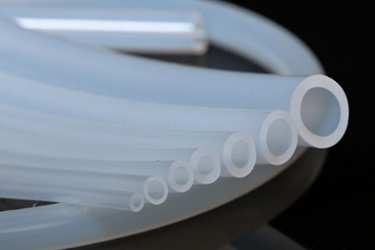
Medical silicone tubing is a critical component in healthcare, widely used in devices such as catheters, IV lines, respiratory systems, and laboratory equipment. Its unique combination of flexibility, durability, and biocompatibility makes it an ideal material for transporting fluids, gases, and medications safely. However, not all silicone tubes are the same. Understanding the differences between various types of medical silicone tubing and their specific applications is essential for healthcare providers and device manufacturers.
Medical silicone tubes are available in a range of types, each engineered to meet distinct performance requirements. Some tubes are designed for high flexibility, while others prioritize structural strength or chemical resistance. In many clinical and laboratory settings, Medical Silicone Tube is selected based on its compatibility with sterilization processes, fluid types, and intended duration of use. The correct tube type ensures optimal performance, patient safety, and device longevity, making it critical to match the tube specifications with the specific medical application.
Table of Contents
ToggleStandard vs. Reinforced Silicone Tubes
One of the primary distinctions in medical silicone tubing is between standard and reinforced types. Standard silicone tubes are flexible, lightweight, and ideal for general fluid or gas transfer in low-pressure applications. They are commonly used in IV lines, feeding tubes, and basic laboratory setups where gentle fluid handling is required. These tubes are highly biocompatible and can endure repeated sterilization cycles, making them suitable for both single-use and reusable applications.
Reinforced silicone tubes, on the other hand, are designed to withstand higher pressures and mechanical stress. They often contain embedded fibers or mesh layers to prevent kinking and maintain structural integrity during bending or stretching. Reinforced tubes are frequently used in applications such as ventilators, dialysis machines, and infusion pumps, where consistent flow and pressure resistance are critical. The added reinforcement ensures durability and reliability in demanding clinical environments.
Lined and Multi-Lumen Silicone Tubes
Another important category of medical silicone tubing is lined tubes. These tubes feature a smooth inner lining that enhances fluid flow and reduces the risk of contamination or buildup inside the tube. Lined silicone tubes are particularly valuable in applications involving blood, medications, or other sensitive fluids, as the lining prevents reaction with the tubing material and ensures accurate delivery.
Multi-lumen silicone tubes are designed with two or more channels within a single tube. This configuration allows multiple fluids or gases to be transported simultaneously without mixing, streamlining procedures and reducing the number of separate tubes required. Multi-lumen tubes are commonly used in complex procedures such as anesthesia delivery, cardiac surgery, and laboratory experiments requiring parallel fluid flow. Their design improves workflow efficiency while maintaining safety and precision.
High-Temperature and Chemical-Resistant Tubes
Medical procedures often require exposure to high temperatures or chemical solutions. High-temperature silicone tubes are engineered to withstand extreme heat, making them suitable for autoclaving, sterilization, and applications involving hot fluids. These tubes maintain their flexibility and structural integrity even after repeated exposure to heat, ensuring long-term reliability.
Chemical-resistant silicone tubes are formulated to resist degradation from medications, saline solutions, or cleaning agents. This type of tubing is essential in laboratory environments, pharmaceutical manufacturing, and medical devices where exposure to reactive substances is frequent. Selecting chemical-resistant tubing minimizes the risk of material failure, contamination, or altered fluid properties, which can directly impact patient safety and experimental accuracy.
Specialty Tubes for Specific Applications
Some medical silicone tubes are designed for highly specialized applications. For example, ultra-soft silicone tubing is used in neonatal care and other situations where gentle contact with tissues is necessary. Its softness reduces the risk of irritation or injury during extended use.
Colored and coded silicone tubes are also available for applications that require clear identification of different fluids or gases. These tubes enhance safety by helping medical staff quickly distinguish between lines, reducing the risk of errors during complex procedures.
Considerations for Choosing the Right Silicone Tube
When selecting medical silicone tubing, several factors must be considered. Material quality, compliance with regulatory standards, sterilization compatibility, chemical resistance, flexibility, and pressure tolerance are all critical. The intended application—whether for fluid transfer, gas delivery, or laboratory use—should guide the choice of tube type.
Additionally, dimensions such as inner diameter, wall thickness, and length are essential to ensure compatibility with connectors and medical equipment. Customized solutions may be necessary for complex devices or specialized procedures, emphasizing the importance of working with reputable suppliers who provide detailed specifications and technical support.
Conclusion
Medical silicone tubing comes in a variety of types, each designed to meet specific clinical and laboratory needs. Standard, reinforced, lined, multi-lumen, high-temperature, chemical-resistant, and specialty tubes all have unique advantages that make them suitable for particular applications. Understanding these differences is critical for healthcare providers and device manufacturers to ensure patient safety, device performance, and operational efficiency. By carefully evaluating the intended use and matching it with the appropriate silicone tube type, medical facilities can achieve reliable and effective outcomes in patient care and laboratory operations.




More Stories
Unlocking Growth Through Discipleship Training Malaysia
Pet Vaccination: Protecting Your Pets for a Healthy Life
Martial Arts Sydney: A Path to Strength, Discipline, and Confidence