

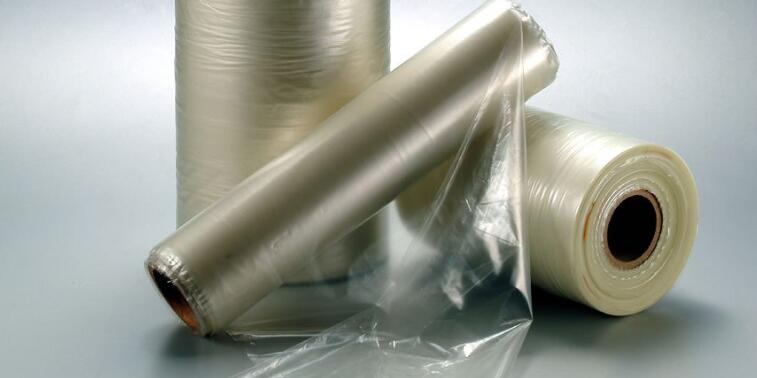
The global push toward sustainability has prompted businesses to explore innovative solutions to reduce waste and minimize environmental impact. Packaging waste, particularly from single-use plastics, is a major contributor to pollution in landfills, waterways, and oceans. As companies strive to achieve zero-waste goals, materials that are fully biodegradable, safe, and versatile are becoming essential. Water soluble film has emerged as a key solution in these efforts, offering both practical functionality and environmental benefits.
Water soluble film is primarily made from polyvinyl alcohol (PVA), a polymer that dissolves completely in water without leaving harmful residues. Its unique properties make it ideal for zero-waste packaging initiatives across industries ranging from consumer goods to pharmaceuticals and agriculture. By replacing conventional plastics with water soluble film, companies can significantly reduce packaging waste, simplify disposal processes, and contribute to a more sustainable circular economy.
Eliminating Single-Use Plastic Waste
One of the most significant ways water soluble film supports zero-waste packaging is by replacing traditional single-use plastics. Products such as detergent pods, oral medications, beverage powders, and pre-measured agricultural chemicals often rely on plastic pouches, bottles, or sachets. These conventional plastics are difficult to recycle and contribute heavily to landfill accumulation.
Water soluble film dissolves completely during use, eliminating the need for disposal and reducing the volume of waste generated. For example, laundry or dishwasher pods packaged in water soluble film release their contents in water, while the film itself disappears, leaving no residual material to pollute the environment. This approach allows companies to achieve zero-waste objectives while maintaining the convenience and functionality consumers expect.
Enhancing Efficiency in Packaging Design
Water soluble film is highly versatile and can be customized to suit different product requirements, which further supports zero-waste initiatives. Manufacturers can adjust film thickness, strength, dissolution rate, and barrier properties to match the specific needs of the product. This precision ensures that only the necessary amount of material is used, minimizing excess packaging and preventing unnecessary waste.
Customizable films also allow for pre-measured doses, which not only reduces product spillage and waste but also enhances consumer convenience. For industries such as pharmaceuticals, agriculture, and household cleaning, this combination of precise dosing and complete solubility ensures that zero-waste goals are met without compromising product performance or safety.
Reducing Environmental Impact Across Industries
The benefits of water soluble film extend across multiple industries. In pharmaceuticals, oral strips or single-dose medications packaged in water soluble film eliminate plastic blister packs, reducing waste in healthcare facilities. In agriculture, fertilizers, pesticides, and seed coatings can be wrapped in water soluble film, minimizing packaging waste while ensuring controlled release of active ingredients. Household cleaning products benefit similarly, with detergent and cleaning pods packaged in films that dissolve entirely during use.
By replacing conventional plastic packaging in these sectors, water soluble film contributes to a significant reduction in environmental pollution. It prevents microplastic contamination, lowers landfill accumulation, and supports broader sustainability initiatives aimed at achieving zero waste.
Supporting Circular Economy Principles
Zero-waste initiatives are closely aligned with circular economy principles, which emphasize the reuse, recycling, and safe decomposition of materials. Water soluble film supports these principles because it dissolves completely in water, leaving no harmful residues, and can often be combined with other biodegradable materials in packaging systems.
This characteristic allows businesses to design packaging solutions that integrate seamlessly into existing waste management and recycling processes. By adopting water soluble film, companies can contribute to a circular economy model where materials are efficiently used and safely returned to the environment.
Regulatory Compliance and Consumer Demand
As governments worldwide introduce stricter regulations on single-use plastics and packaging waste, adopting water soluble film becomes not only an environmental choice but also a strategic business decision. Regulations in the European Union, the United States, and many Asian countries now encourage or mandate reductions in plastic usage. By using water soluble film, businesses can comply with these regulations while advancing zero-waste objectives.
Moreover, consumer awareness of environmental issues is driving demand for sustainable packaging solutions. Products packaged in water soluble film appeal to environmentally conscious consumers, enhancing brand reputation and market competitiveness while supporting zero-waste initiatives.
Conclusion
Water soluble film plays a crucial role in advancing zero-waste packaging initiatives across multiple industries. Its ability to dissolve completely in water, combined with customizable strength, thickness, and solubility, allows businesses to replace single-use plastics, reduce environmental impact, and support circular economy principles. From pharmaceuticals and household cleaning products to agricultural applications, water soluble film offers a practical and eco-friendly solution that aligns with regulatory requirements and consumer expectations. By integrating water soluble film into packaging strategies, companies can make meaningful progress toward zero-waste goals while maintaining product performance, convenience, and sustainability.
About Post Author





More Stories
Noise and Privacy Considerations in Condo Living
Your Guide to Shopping Safely at a Trusted US Online Marketplace
Transform Your Property with Professional Jersey City Exterior Facade Cleaning