

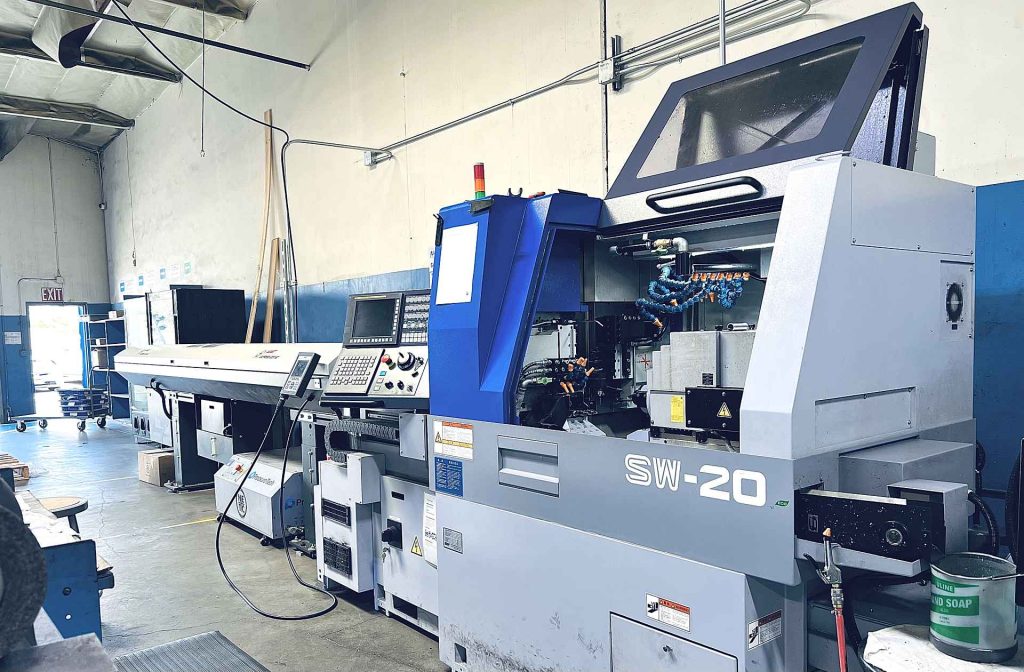
Maximizing output efficiency is a priority for manufacturers seeking to reduce production costs while maintaining high-quality standards. Swiss lathe machines, known for their precision and versatility, provide an ideal solution for producing small, intricate components efficiently. Leveraging the capabilities of these machines can significantly enhance workflow and overall productivity.
Streamlined Setup and Programming
One of the key factors in maximizing efficiency is minimizing setup time. Swiss lathe machines with programmable tool offsets, automatic tool changers, and user-friendly CNC interfaces allow operators to quickly configure jobs. Efficient programming ensures that the machine performs multiple operations without manual intervention, reducing delays between batches. By investing time in proper programming and setup, manufacturers can achieve smoother operations and higher throughput.
Automation for Continuous Production
Automation is crucial for optimizing output. Features such as bar feeders, part loaders, and live tooling allow Swiss lathe machines to operate continuously with minimal supervision. Automated material handling reduces the need for manual intervention, decreases the risk of human error, and maintains consistent production speed. A high-performance swiss lathe machine integrates these automated systems to enable long unattended runs, which is particularly beneficial for high-volume or time-sensitive jobs.
Optimizing Tooling and Workpiece Support
Proper tooling selection and workpiece support are essential for maintaining efficiency. Swiss lathe machines utilize guide bushings that stabilize the material near the cutting tool, reducing vibration and deflection. This precise support allows for faster cutting speeds and improved surface finishes. Additionally, selecting appropriate cutting tools and ensuring they are correctly aligned minimizes downtime caused by tool wear or misalignment, allowing production to continue smoothly.
Scheduling and Workflow Management
Efficient production scheduling ensures that machines operate at optimal capacity without unnecessary downtime. Organizing jobs to minimize tool changes, material swaps, and setup adjustments can enhance throughput. For small-batch production, grouping similar parts together allows the Swiss lathe machine to run multiple operations with minimal intervention. Advanced monitoring systems can help track machine performance and identify bottlenecks, enabling adjustments that further improve efficiency.
Maintenance and Preventive Care
Routine maintenance is vital for sustaining high output efficiency. Regular lubrication, calibration, and inspection prevent unexpected breakdowns that could disrupt production. Implementing a preventive maintenance schedule ensures that the Swiss lathe machine continues to operate reliably, maintaining speed, accuracy, and overall productivity. Clean and well-maintained machines also reduce the likelihood of scrap or defective parts.
Leveraging Multi-Axis Capabilities
Modern Swiss lathe machines with multi-axis functionality can perform turning, milling, drilling, and threading in a single setup. Utilizing these capabilities reduces the need for secondary operations and machine transfers, saving time and resources. Multi-axis operations also improve part consistency and quality, which minimizes rework and further contributes to efficient production.
Monitoring and Data Utilization
Integrating monitoring systems provides valuable insights into machine performance. Tracking spindle load, cycle times, tool wear, and operational parameters allows operators to make informed adjustments to maintain efficiency. Data-driven decision-making enables manufacturers to optimize cutting speeds, feed rates, and scheduling, ensuring that the Swiss lathe machine operates at peak productivity while reducing waste.
Operator Training and Expertise
Well-trained operators contribute significantly to output efficiency. Familiarity with machine controls, programming, and troubleshooting allows operators to respond quickly to issues, make adjustments, and maintain consistent workflow. Investing in training ensures that personnel can maximize the capabilities of the Swiss lathe machine, reducing delays and enhancing overall productivity.
Conclusion
Maximizing output efficiency with a Swiss lathe machine involves a combination of streamlined setup, automation, optimized tooling, effective workflow management, preventive maintenance, multi-axis utilization, data monitoring, and skilled operators. By leveraging these strategies, manufacturers can achieve higher throughput, maintain consistent quality, and reduce production costs. Implementing best practices ensures that Swiss lathe technology delivers its full potential in modern precision manufacturing environments.
About Post Author





More Stories
Noise and Privacy Considerations in Condo Living
Your Guide to Shopping Safely at a Trusted US Online Marketplace
Transform Your Property with Professional Jersey City Exterior Facade Cleaning