

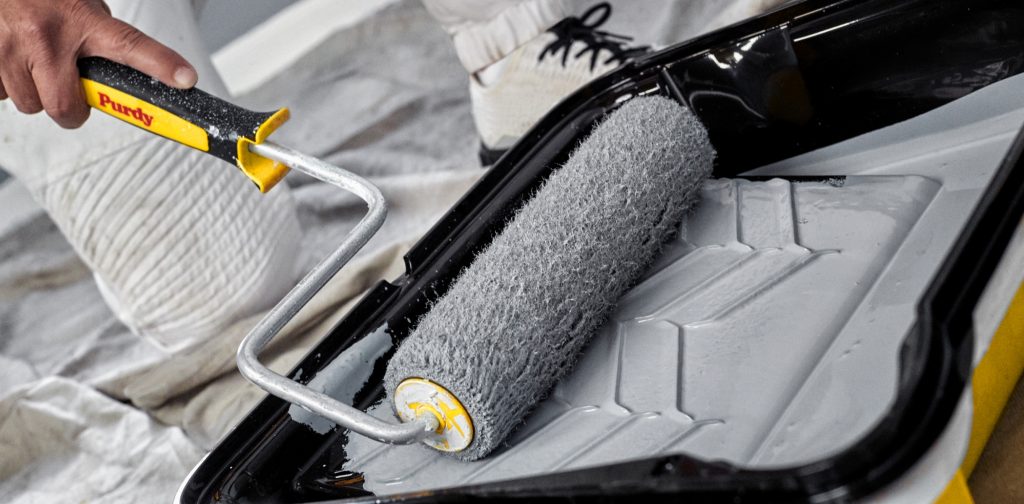
When it comes to achieving a smooth, professional paint finish, one of the most critical factors often overlooked is paint retention in the roller. Paint retention refers to the roller’s ability to hold and distribute paint evenly across a surface. A roller that retains paint effectively reduces the number of dips into the tray, ensures consistent coverage, and minimizes streaks or uneven textures. Understanding how paint retention works can help both DIY enthusiasts and professional painters maximize efficiency and achieve superior results.
For those seeking high-quality painting tools, platforms like Paint in Roller offer durable rollers and accessories designed to optimize paint retention. Using the right roller not only improves coverage but also reduces paint waste and makes the application process smoother and faster.
The Importance of Paint Retention
Paint retention directly affects the quality and speed of your painting project. Rollers with high retention hold more paint, allowing for longer strokes and reducing the need for constant reloading. This ensures a more uniform coat, minimizing lap marks and streaks. Conversely, rollers with poor retention require frequent dips, which can lead to uneven coverage and increased drying time.
High-quality rollers are designed with fibers that balance absorption and release. This balance allows the roller to hold enough paint for coverage while releasing it evenly onto the surface. Choosing a roller with the right fiber density and nap length is crucial for different types of paints and surfaces.
Factors That Influence Paint Retention
Several factors determine how well a roller retains paint, including the type of roller cover, nap length, and material.
1. Roller Cover Material
Rollers come in natural fibers, synthetic fibers, or blended options.
-
Natural fibers: Ideal for oil-based paints, they hold more paint and release it evenly for a smooth finish.
-
Synthetic fibers: Best for water-based or latex paints, providing good retention and easy cleaning.
-
Blended fibers: Offer versatility for both types of paint while maintaining adequate retention.
2. Nap Length
The nap length, or thickness of the roller cover, affects how much paint the roller can hold.
-
Short nap (1/4 to 3/8 inch): Suitable for smooth surfaces and thin paints. Retains less paint but ensures a fine finish.
-
Medium nap (1/2 inch): Works well for semi-smooth surfaces and provides balanced paint retention.
-
Long nap (3/4 inch or more): Ideal for textured surfaces, allowing the roller to hold more paint and reach into crevices effectively.
3. Surface Texture
The surface you are painting influences how much paint the roller deposits. Rough or textured surfaces require rollers with longer naps and higher retention to ensure complete coverage without excessive strokes.
Effects of Poor Paint Retention
Using a roller that does not retain paint well can lead to several issues:
-
Inconsistent Coverage: Frequent reloading can cause uneven paint layers and lap marks.
-
Increased Paint Consumption: More trips to the paint tray result in wasted paint.
-
Longer Project Time: Inefficient rollers slow down the painting process, increasing labor time.
-
Surface Imperfections: Streaks, roller marks, and patchy finishes are more likely with poor retention.
Techniques to Improve Coverage
Even with a high-retention roller, proper technique is essential for optimal results:
-
Load the Roller Correctly: Dip the roller about one-third into the paint tray and roll it back and forth to evenly distribute paint.
-
Work in Sections: Cover small areas at a time to maintain a wet edge and blend strokes seamlessly.
-
Use the Right Roller for the Paint: Match the roller type and nap length to the paint and surface texture.
-
Apply Consistent Pressure: Avoid pressing too hard, which can squeeze paint out unevenly, or too lightly, which may leave thin spots.
Cleaning and Maintenance
Proper cleaning and maintenance of the roller also affect its ability to retain paint for future use. Clean rollers immediately after use according to the paint type. For water-based paints, warm soapy water is sufficient, while oil-based paints require mineral spirits or paint thinner. Store rollers in a dry, protected space to maintain the fibers’ integrity.
Final Thoughts
Understanding Paint in Roller retention is key to achieving smooth, even coverage and a professional finish. Selecting a roller with the right material, nap length, and density ensures efficient paint application while minimizing waste. Coupled with proper technique, surface preparation, and maintenance, high-retention rollers make painting faster, easier, and more effective. By paying attention to this often-overlooked factor, painters can achieve better results, save time, and ensure a durable and visually appealing finish.
About Post Author





More Stories
Noise and Privacy Considerations in Condo Living
Your Guide to Shopping Safely at a Trusted US Online Marketplace
Transform Your Property with Professional Jersey City Exterior Facade Cleaning