


In modern manufacturing, efficiency, precision, and consistency are crucial for producing high-quality products. One machine that has become indispensable in achieving these goals is the Power Press. This versatile equipment is widely used in metalworking, automotive, aerospace, and electronics industries, among others. By applying controlled pressure to shape, cut, or form materials, power presses ensure high productivity and uniformity in mass production. Understanding the advantages of using a power press can help businesses make informed decisions about their manufacturing processes and improve overall operational efficiency.
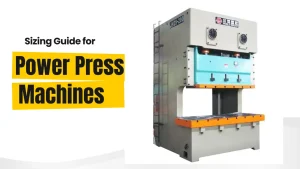
A power press operates by converting mechanical, hydraulic, or servo-driven energy into a controlled downward force applied via a ram and punch onto a workpiece placed on a die. The precision and repeatability of this process make it highly desirable for industries where uniformity and accuracy are paramount. Manufacturers seeking detailed information and specifications about power presses can refer to Power Press to explore various models and their applications. Using this equipment not only improves production output but also reduces operational errors, saving both time and resources.
Table of Contents
ToggleHigh Efficiency and Productivity
One of the most significant advantages of a power press is its ability to enhance production efficiency. Mechanical and hydraulic presses can perform repeated operations at high speeds, making them ideal for large-scale manufacturing. Unlike manual presses, which rely on human effort, power presses can operate continuously without fatigue, reducing downtime and increasing throughput. This efficiency is particularly beneficial in industries such as automotive manufacturing, where thousands of components must be produced with consistent quality.
Additionally, power presses allow for simultaneous operations, such as punching, blanking, bending, and forming, within a single machine setup. This multi-functionality streamlines the production process and minimizes the need for multiple machines, resulting in faster turnaround times and reduced floor space requirements.
Precision and Consistency
A critical advantage of using a power press is its precision and consistency. The machine exerts uniform force during each stroke, ensuring that every product meets exact specifications. This repeatability is essential for industries that require high tolerances, such as aerospace and electronics, where even minor deviations can lead to product failures or safety hazards.
Modern power presses, especially servo-driven models, offer advanced control over ram speed, stroke length, and applied pressure. This capability allows manufacturers to adjust the machine for different materials and operations while maintaining consistent results. The precise control reduces material wastage, enhances product quality, and ensures compliance with stringent industry standards.
Versatility in Applications
Power presses are highly versatile and can handle a wide range of materials, including steel, aluminum, copper, and plastics. Their ability to perform multiple operations—such as cutting, shaping, bending, and forming—makes them suitable for diverse industries. For instance, in the automotive sector, power presses are used to manufacture car body panels, brackets, and chassis components. In electronics, they produce connectors, terminals, and casings. Even household appliances and construction components can be efficiently produced using power presses, demonstrating their broad utility.
The adaptability of power presses also extends to handling different material thicknesses. Hydraulic presses, for example, can manage thicker or tougher materials that mechanical presses may struggle with, while pneumatic presses are ideal for lightweight, high-speed operations. This flexibility ensures that manufacturers can rely on a single type of machine for various production requirements, optimizing cost and space.
Cost-Effectiveness
While power presses require an initial investment, they offer long-term cost savings. By increasing production speed and reducing manual labor requirements, these machines lower operational costs. The high efficiency and precision of power presses also minimize material wastage and reduce the likelihood of defective products, saving money on rework and scrap.
Moreover, the durability and robust construction of power presses ensure that they can withstand continuous heavy-duty operations, reducing the frequency of maintenance and replacement. This longevity further contributes to cost-effectiveness, making power presses a smart investment for manufacturers seeking sustainable production solutions.
Enhanced Safety
Modern power presses come equipped with safety features such as emergency stop buttons, light curtains, and safety interlocks, which protect operators from accidents. These safety mechanisms, combined with controlled and predictable machine movement, make the operation of power presses safer than manual alternatives. Safe operations also reduce downtime due to accidents and improve workplace compliance with occupational safety standards.
Conclusion
The advantages of using a power press in manufacturing are clear: increased efficiency, precision, versatility, cost-effectiveness, and enhanced safety. By enabling high-speed and repeatable operations, power presses help manufacturers meet the demands of mass production while maintaining strict quality standards. Their adaptability across various industries, from automotive to electronics and household appliances, makes them an indispensable tool in modern manufacturing. For companies looking to optimize their production processes and invest in reliable machinery, understanding the benefits of power presses is essential for achieving long-term success and operational excellence.



More Stories
Quality Standards Followed by Continuous Inkjet Printer Manufacturers
How to Choose the Right PETG Film for Your Application
How CNC Lathe Factories Improve Efficiency in Large-Scale Production