

Construction equipment is evolving as businesses respond to changing project requirements, environmental expectations, and operational challenges. Contractors are increasingly evaluating machinery not only for its ability to complete a task but also for how it fits into the surrounding work environment, affects operating costs, and supports long-term business objectives. Electrification is one development influencing equipment selection across several construction categories.
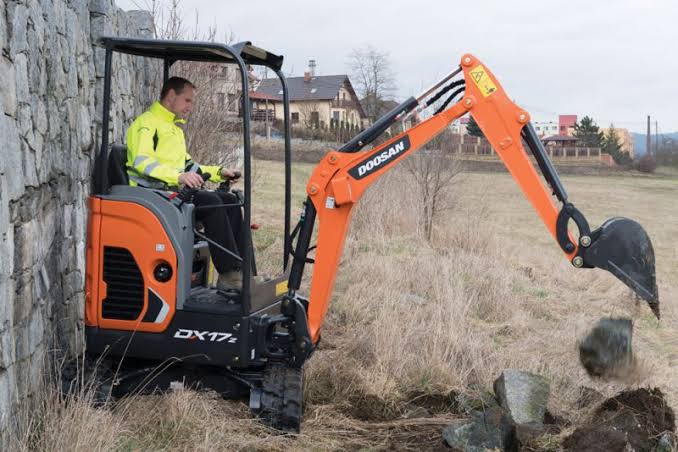
The electric mini excavator has attracted attention because it combines compact excavation capability with an alternative power system. Its potential relevance extends beyond environmental considerations, offering contractors another way to approach projects involving limited space, noise-sensitive surroundings, and changing equipment requirements. Understanding the reasons behind this interest helps businesses evaluate the technology realistically.
Changing Expectations Across the Construction Industry
Construction companies operate under a range of pressures. Project owners may expect contractors to minimize disruption, work within restricted hours, manage environmental considerations, and complete activities within increasingly organized schedules. At the same time, businesses must control costs, maintain equipment reliability, and ensure workers have suitable machinery.
These expectations encourage contractors to examine alternatives to traditional equipment. Electrification is not necessarily appropriate for every application, but it may offer practical advantages in selected environments.
Compact electric machinery is particularly relevant where equipment size and operating conditions are important. A smaller machine can help address access limitations, while electric power may provide additional benefits when exhaust emissions and engine-related noise are concerns.
The Appeal of Electric Power
One reason electric construction equipment is receiving attention is its operating characteristics. Electric motors can provide power without producing exhaust emissions directly from the machine during use. This feature may be valuable when work takes place near occupied buildings, in enclosed or semi-enclosed areas, or in locations where local requirements restrict conventional engine operation.
Electric power can also reduce some engine-related noise. Construction work may take place near homes, schools, offices, or other facilities where noise management is important. Although electric machines are not silent, their sound profile may be more suitable for certain projects.
These advantages must be evaluated alongside energy availability, battery capacity, charging time, and operating demands. Electric machinery is most practical when its energy requirements can be accommodated by the project’s schedule and infrastructure.
Compact Equipment for Space-Constrained Projects
Urban construction, property renovation, landscaping, and utility work often involve restricted access. Larger excavators may be difficult to transport into a narrow work area or position near the excavation. Compact equipment provides another option when its working dimensions and capabilities meet the project’s requirements.
A mini excavator can help contractors undertake smaller excavation tasks without bringing a machine that occupies unnecessary space. Its compact design may also make it easier to coordinate with workers, material deliveries, and other equipment.
The appropriate size still depends on the job. Contractors must consider digging depth, reach, lifting requirements, ground conditions, and safe operating clearance rather than selecting machinery based on dimensions alone.
Operational Planning and Energy Management
Electric machinery introduces energy planning into equipment management. Contractors need to understand the expected operating duration, charging requirements, available power sources, and the time needed to recharge between work periods.
Projects with predictable work cycles may be easier to organize around charging. For example, a machine could undertake scheduled excavation during a shift and recharge during planned downtime, provided the charging system and battery capacity support that arrangement.
Businesses should avoid assuming that advertised operating duration will match every project. Intensive digging, heavy attachments, challenging soil, and environmental conditions may affect energy consumption.
Maintenance and Equipment Ownership
Electrification may change certain maintenance requirements, but it does not eliminate routine equipment care. Excavators still contain tracks, hydraulic systems, structural components, attachments, and electrical systems that require attention.
A contractor considering electric machinery should review the manufacturer’s maintenance schedule, service procedures, warranty provisions, parts availability, and technical support arrangements. Battery-related service requirements should be understood before purchase.
The overall ownership cost should include acquisition, charging infrastructure, energy use, maintenance, transportation, insurance, and potential downtime. A comprehensive evaluation provides a better basis for comparison than purchase price alone.
Making an Informed Transition
Businesses do not need to replace every existing machine to explore electrification. They can identify projects where electric equipment may provide clear advantages and assess whether a particular model meets their needs. Trial use, operator feedback, and comparisons with existing equipment may help establish realistic expectations.
Conclusion
Electric mini excavator technology is gaining attention because construction businesses are looking for equipment that can adapt to different working environments and operational priorities. Compact dimensions, reduced direct exhaust emissions, potential noise advantages, and alternative maintenance considerations make electric models worth evaluating. Careful planning around charging, performance, service support, and project requirements helps contractors determine whether electrification is a practical step for their operations.
About Post Author


More Stories
Emerging Trends Shaping the Future of the Global Receipt Printer Manufacturing Industry
Understanding Receipt Printer Connectivity Options and Compatibility
Why Thermal Receipt Printers Are Popular in Small and Medium-Sized Businesses