

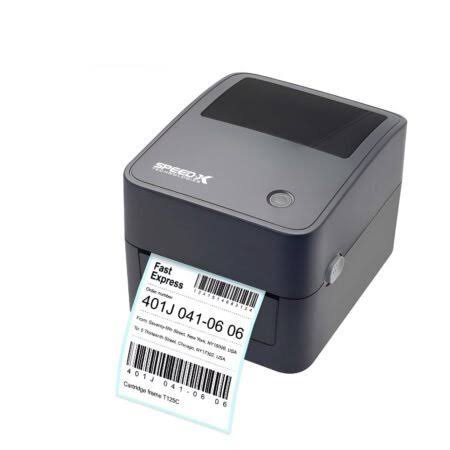
The global receipt printer manufacturing industry is evolving as businesses adopt new payment technologies, digital commerce platforms, and increasingly connected point-of-sale systems. Although receipt printers remain essential in retail, hospitality, transportation, and other commercial environments, customer expectations are changing. Businesses now look for equipment that offers reliable performance, flexible connectivity, compact designs, and compatibility with modern software systems.
These developments are encouraging manufacturers to improve product engineering, production methods, and printing technologies. An innovative Receipt Printer Manufacturer must consider not only current market requirements but also emerging technologies that may influence future product development. Understanding these trends helps businesses recognize how the industry is preparing for changing commercial and technological demands.
1. Growing Adoption of Wireless Receipt Printing
Wireless connectivity is becoming increasingly important as businesses move toward flexible POS environments. Traditional receipt printers often rely on wired connections, which can limit device placement and create additional cable management requirements.
Modern printers may support Bluetooth, Wi-Fi, or other wireless communication technologies, depending on their design.
Benefits of Wireless Printing
Wireless receipt printers can help businesses position equipment in locations that are more convenient for employees and customers. Restaurants, delivery services, mobile retailers, and temporary sales locations may benefit from reduced dependence on fixed connections.
Wireless printing can also support mobile POS systems, allowing employees to process transactions using compatible tablets or smartphones.
Future Manufacturing Developments
Manufacturers are likely to continue improving wireless communication stability, device compatibility, and connection management. Better integration with mobile applications and business software may also make wireless receipt printing more practical across different industries.
2. Integration with Cloud-Based POS Systems
Cloud-based POS platforms allow businesses to manage transactions, inventory, sales information, and other operations through connected software services.
As more businesses adopt these systems, receipt printers must communicate reliably with different devices and applications.
Changing Connectivity Requirements
Modern receipt printers may need to support different operating systems, communication protocols, and printer command languages. Compatibility is especially important for businesses operating multiple locations or using cloud-managed POS platforms.
Opportunities for Manufacturers
Manufacturers can respond by developing printers with flexible interfaces, improved firmware, and better software compatibility. Clear technical documentation and software development resources can also help system integrators connect printers with different business platforms.
3. Continued Development of Thermal Printing Technology
Thermal printing remains widely used because it offers fast output, relatively quiet operation, and a straightforward printing mechanism. Direct thermal printers use heat-sensitive paper, eliminating the need for traditional ink or toner cartridges.
However, the technology continues to develop as businesses seek better print clarity, consistent output, and improved operating efficiency.
Improvements in Printhead Performance
The thermal printhead is one of the most important components in a receipt printer. Advances in printhead design and manufacturing can help improve heating consistency, printing precision, and component durability.
More Efficient Printing Mechanisms
Manufacturers are also examining ways to improve paper-feeding systems, power management, and mechanical coordination. These improvements can support reliable printing in environments where devices handle frequent transactions.
4. Compact and Space-Saving Printer Designs
Businesses increasingly value equipment that fits into limited workspaces. Small retail counters, food-service stations, mobile checkout areas, and self-service kiosks often require compact printing solutions.
This demand is encouraging manufacturers to develop printers with smaller footprints while maintaining essential functionality.
Engineering Challenges
Reducing printer dimensions requires careful internal component arrangement. Engineers must consider the placement of the printhead, control board, paper compartment, motor, and power components.
Compact designs must also provide sufficient structural strength, heat management, and convenient paper loading.
Future Design Priorities
Future products may focus on simplified housing structures, improved component integration, and more flexible installation options. These developments can help businesses use available counter space more efficiently.
5. Increased Demand for Mobile Receipt Printers
Mobile receipt printers are becoming useful in applications where transactions occur away from fixed checkout counters. Delivery services, field sales teams, transportation operators, and outdoor businesses may require portable printing equipment.
These devices often use rechargeable batteries and wireless connections to support printing while employees are moving between locations.
Improvements in Battery Performance
Battery efficiency is an important consideration in portable printer development. Manufacturers may focus on reducing power consumption and improving charging systems to support longer operating periods.
Durability and Portability
Mobile printers must also withstand regular handling and transportation. Compact housings, secure paper compartments, and suitable protective designs can help improve usability in demanding environments.
6. Automation in Receipt Printer Manufacturing
Automation is transforming manufacturing operations across the electronics industry. Receipt printer factories are increasingly able to use automated equipment for selected assembly, component placement, inspection, and packaging activities.
Improved Assembly Consistency
Automated production equipment can perform repetitive tasks with controlled movements and consistent positioning. This helps reduce certain assembly variations and supports repeatable production results.
Higher Production Efficiency
Automation can help manufacturers coordinate production stages and increase output capacity. It may also reduce unnecessary handling and improve the use of factory resources.
However, skilled technicians remain important for equipment maintenance, process supervision, engineering adjustments, and quality verification.
7. Artificial Intelligence and Smart Manufacturing
Artificial intelligence and data analytics are creating new opportunities for manufacturing process management. Connected machinery can collect information about equipment performance, production output, and process conditions.
Manufacturers can analyze this information to identify inefficiencies and investigate recurring defects.
Predictive Maintenance
AI-supported monitoring systems may help identify unusual machine behavior that indicates potential equipment problems. Early detection can allow maintenance teams to schedule repairs before unexpected breakdowns interrupt production.
Data-Driven Quality Management
Production data can also help manufacturers recognize patterns associated with assembly errors or component failures. By examining these patterns, engineering teams can improve manufacturing procedures and reduce repeated defects.
The usefulness of AI depends on the quality of collected data, system integration, and the ability of staff to interpret the results.
8. Greater Focus on Product Reliability and Durability
Businesses depend on receipt printers for daily transaction processing. A malfunctioning printer can slow checkout operations, interrupt order preparation, and create additional maintenance requirements.
As a result, reliability remains a major priority for product development.
Stronger Component Selection
Manufacturers may focus on more durable printheads, reliable motors, improved rollers, and suitable electronic components. Component quality must be evaluated alongside cost, compatibility, and intended operating conditions.
More Comprehensive Testing
Testing procedures may include repeated printing cycles, paper-feeding assessments, cutter evaluations, and environmental testing. These checks help identify potential weaknesses before products are distributed.
Improved testing also supports greater consistency between manufacturing batches.
9. Sustainable Materials and Environmentally Responsible Production
Sustainability is becoming an important consideration across electronics manufacturing. Businesses increasingly examine how products are made, packaged, transported, and maintained throughout their service life.
Receipt printer manufacturers can explore several ways to improve environmental performance.
More Efficient Material Usage
Precision manufacturing and better production planning can help reduce material waste. Manufacturers may also evaluate recyclable packaging and materials with suitable environmental characteristics.
Energy-Efficient Manufacturing
Modern machinery and improved production monitoring can help reduce unnecessary energy consumption. Preventive maintenance may also keep manufacturing equipment operating efficiently.
Longer Product Lifecycles
Producing reliable printers that require fewer replacements can reduce material consumption over time. Availability of replacement parts and appropriate maintenance support can contribute to longer equipment use.
Sustainability improvements should be assessed through actual production practices rather than broad environmental claims.
10. Integration with Self-Service Kiosks and Automated Retail
Self-service technology is changing how customers interact with businesses. Supermarkets, restaurants, airports, entertainment venues, and transportation facilities increasingly use kiosks and automated checkout systems.
Receipt printers remain relevant in these environments because customers may need physical transaction records, order tickets, or collection information.
Specialized Printer Requirements
Printers used in kiosks may require compact dimensions, suitable mounting arrangements, reliable paper handling, and compatibility with automated systems.
Some installations may also require features such as paper-out detection and easy maintenance access.
Future Manufacturing Opportunities
Manufacturers may develop specialized printer configurations for self-service applications. Better integration with kiosk controllers and software platforms can support more reliable automated transactions.
11. Improved Connectivity and Interface Flexibility
Different businesses use different POS hardware and software environments. A receipt printer that supports only one communication method may not meet the needs of every customer.
For this reason, interface flexibility remains an important product development area.
Future printer models may continue to combine traditional connections such as USB and serial interfaces with Ethernet and wireless communication options.
Manufacturers must also consider driver availability, operating system compatibility, firmware stability, and supported printer commands.
12. Customization and Private-Label Manufacturing
Businesses that sell printing equipment under their own brands may require customized product designs, packaging, and technical configurations. OEM and ODM manufacturing services allow companies to work with production partners to develop products for specific markets.
Branding and Appearance
Customization may involve logo placement, housing colors, product labels, and retail packaging. These options help businesses maintain consistent brand presentation.
Technical Modifications
Depending on the manufacturer’s capabilities, projects may also involve selected changes to connectivity, firmware, paper handling, or product dimensions.
Faster Market Development
Using an established printer platform can reduce some of the engineering work required to introduce a new product line. However, businesses should confirm customization limits, design ownership, minimum order quantities, and testing requirements before beginning production.
13. Global Supply Chain Diversification
The receipt printer manufacturing industry depends on international suppliers for electronic components, mechanical parts, raw materials, and production equipment. Disruptions in any part of the supply chain can affect manufacturing costs and delivery schedules.
Recent attention to supply chain resilience is encouraging manufacturers to review sourcing strategies and inventory management practices.
Multiple Supplier Relationships
Working with several qualified suppliers for suitable components can reduce dependence on a single source. However, alternative components must be evaluated to ensure they meet the required technical specifications.
Improved Inventory Planning
Digital inventory systems can help manufacturers monitor component availability and anticipate procurement needs. Better forecasting may reduce production interruptions caused by unexpected shortages.
Regional Manufacturing Considerations
Some companies may explore regional sourcing or additional production locations to improve supply flexibility. These decisions depend on operating costs, technical capabilities, logistics, and market demand.
14. Greater Attention to Product Safety and Regulatory Compliance
As receipt printers are sold across international markets, manufacturers must consider different product safety and electromagnetic compatibility requirements.
Requirements vary according to the destination market, printer configuration, and applicable regulations.
Manufacturers may need to evaluate electrical safety, electromagnetic emissions, materials, labeling, and technical documentation. Compliance planning is becoming an important part of product development rather than a task left until the end of production.
Businesses purchasing printers should verify that relevant declarations and test reports apply to the exact model being supplied.
15. The Growing Importance of Research and Development
Research and development supports long-term innovation in receipt printer manufacturing. Engineering teams investigate new materials, electronic components, printing mechanisms, communication technologies, and production methods.
R&D can also help manufacturers respond to changing customer requirements, such as demand for compact printers, improved wireless performance, and specialized industry applications.
Collaboration between product engineers, software developers, component suppliers, and business customers can help identify practical opportunities for improvement.
How Businesses Can Prepare for Changes in the Receipt Printer Industry
As manufacturing technology develops, businesses should consider how future trends may influence their equipment purchasing decisions.
The following factors can help guide product selection:
- Connectivity: Choose interfaces that work with existing and planned POS systems.
- Printing performance: Evaluate speed, clarity, paper compatibility, and expected transaction volume.
- Reliability: Review component quality, testing procedures, and warranty coverage.
- Application requirements: Consider whether standard, portable, kiosk, or specialized printers are appropriate.
- Software support: Confirm driver availability and compatibility with the intended operating environment.
- Supplier capabilities: Examine production experience, customization options, and after-sales support.
- Long-term availability: Consider replacement parts, product consistency, and future procurement needs.
Planning around these factors can help businesses avoid compatibility problems and select equipment that remains useful as their operations evolve.
Conclusion
The global receipt printer manufacturing industry is being shaped by wireless connectivity, cloud-based POS integration, thermal printing improvements, compact product designs, automation, artificial intelligence, and sustainable production practices. At the same time, reliability, customization, supply chain management, and regulatory compliance continue to influence how manufacturers develop and produce printing equipment.
As business technology advances, manufacturers will need to balance innovation with affordability, compatibility, and dependable performance. Businesses that understand these emerging trends can make more informed purchasing decisions and select receipt printing solutions that support their current operations as well as future requirements.
About Post Author


More Stories
Understanding Receipt Printer Connectivity Options and Compatibility
Why Thermal Receipt Printers Are Popular in Small and Medium-Sized Businesses
Fire Spray Nozzle: Applications and Benefits in Fire Protection Systems