

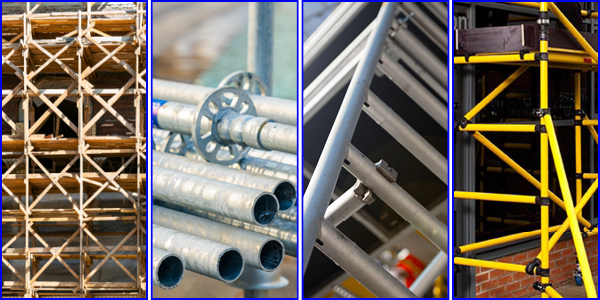
Construction projects depend on reliable temporary structures to provide safe access to elevated working areas. Whether workers are building residential properties, maintaining industrial facilities, or completing large infrastructure developments, the quality of the equipment used can significantly influence site safety and productivity. One of the most important considerations when selecting access equipment is the material used in its construction.
Choosing appropriate Scaffolding Materials involves evaluating strength, durability, weight, corrosion resistance, and suitability for different working environments. Each material offers specific advantages, making it important for contractors to understand its characteristics before purchasing or installing equipment. A well-informed selection can improve structural reliability, reduce maintenance requirements, and support long-term project efficiency.
Why Material Selection Matters in Scaffolding
Scaffolding structures must withstand different types of loads and environmental conditions throughout construction activities. Workers, tools, building materials, and equipment all contribute to the total weight supported by the structure.
Material quality directly affects how individual components perform under these conditions. Poor-quality materials or unsuitable specifications can increase the likelihood of deformation, corrosion, and premature equipment failure.
Several factors make material selection particularly important:
- Structural strength: Components must safely support their intended loads.
- Durability: Materials should withstand repeated assembly, dismantling, and transportation.
- Environmental resistance: Outdoor equipment must tolerate moisture, temperature changes, and other exposure conditions.
- Handling requirements: Component weight can influence installation time and transportation costs.
- Maintenance needs: Suitable materials and protective treatments can reduce deterioration over time.
Considering these characteristics helps contractors select equipment appropriate for their construction requirements.
Common Materials Used in Scaffolding Systems
Different materials are used to manufacture scaffold frames, tubes, platforms, braces, and connection accessories. Steel and aluminum are among the most widely used options, although timber and certain composite materials also have specific applications.
1. Steel Scaffolding
Steel is commonly selected for construction projects that require strong and durable structural components. Its mechanical properties make it suitable for supporting substantial loads when the system is properly designed.
Steel scaffolding is frequently used in commercial buildings, industrial facilities, infrastructure development, and other demanding applications.
Key advantages include:
- High structural strength.
- Good resistance to physical damage.
- Suitability for repeated use.
- Compatibility with different modular system designs.
- Availability in various component dimensions and configurations.
One important consideration is corrosion. Steel can deteriorate when exposed to moisture and unsuitable environmental conditions, so protective treatments and regular inspections are necessary.
2. Aluminum Scaffolding
Aluminum is valued for its relatively low weight and convenient handling characteristics. Components manufactured from aluminum are generally easier to transport and reposition than comparable steel alternatives.
This makes aluminum useful for maintenance activities, smaller construction projects, and applications where frequent equipment movement is required.
Its main benefits include:
- Lightweight construction.
- Good corrosion resistance under suitable conditions.
- Easier transportation and handling.
- Convenient installation for compatible systems.
- Reusability when properly maintained.
However, aluminum and steel have different structural properties. Contractors must evaluate the manufacturer’s load ratings and technical specifications rather than assuming that lighter equipment offers the same capacity as heavier alternatives.
3. Timber Scaffolding Components
Timber has traditionally been used for certain scaffold platform applications. Wooden boards can provide working surfaces when they meet appropriate grading, dimensional, and structural requirements.
Timber is relatively easy to handle and can be suitable for specific construction environments. However, its condition can change significantly with moisture exposure, splitting, decay, and physical damage.
For this reason, wooden components require careful inspection and should only be used when they meet the applicable requirements for scaffold platforms.
4. Composite Materials
Composite materials combine different substances to achieve specific performance characteristics. Some specialized access equipment uses composite components to reduce weight or improve resistance to particular environmental conditions.
Fiberglass is another material used in certain ladder and access applications, especially where electrical insulation properties are relevant.
These materials are not universal replacements for traditional scaffold components. Their suitability depends on product design, engineering approval, and manufacturer specifications.
The Importance of Protective Coatings and Surface Treatments
Even high-quality materials can deteriorate when exposed to harsh construction environments. Protective treatments help improve equipment durability and reduce maintenance requirements.
Hot-Dip Galvanization
Hot-dip galvanization involves coating steel components with zinc to provide protection against corrosion.
The zinc layer acts as a protective barrier and can also provide sacrificial protection if the coating becomes locally damaged.
Galvanized steel is commonly used in outdoor construction environments where equipment may experience regular exposure to moisture.
Powder Coating
Powder coating applies a dry protective finish to metal surfaces through a controlled manufacturing process.
It can improve surface appearance and provide additional protection against environmental exposure. However, damaged coatings should be inspected and addressed appropriately to prevent deterioration underneath.
Surface Preparation
Before applying protective treatments, metal surfaces generally require suitable preparation to remove contaminants and improve coating adhesion.
Proper manufacturing procedures help ensure that protective finishes perform as intended throughout the equipment’s service life.
How Material Quality Influences Structural Stability
Scaffolding stability depends on the complete structural arrangement rather than the material alone. Vertical standards, horizontal ledgers, diagonal braces, platforms, connections, and foundations must work together according to an appropriate design.
Material properties influence how these components respond to loading and environmental conditions.
For example, steel members can provide substantial strength, while aluminum components offer lower weight. However, both materials require suitable dimensions, connection details, and structural calculations.
Several additional factors affect overall performance:
Component dimensions: Tube diameter, wall thickness, and member length influence structural behavior.
Connection quality: Welds, couplers, locking mechanisms, and attachment points must meet relevant specifications.
Foundation conditions: Loads must be transferred safely to the supporting ground through suitable base arrangements.
Bracing and ties: Correctly positioned structural restraints help control movement and improve stability.
Selecting materials without considering these factors can result in an unsuitable installation.
Choosing the Right Material for Different Construction Applications
The best material depends on the nature of the project, the working environment, and the required equipment configuration.
Residential Construction
Residential projects often involve exterior finishing, masonry, painting, and renovation work. Steel frame systems are commonly used because they provide durable structural support and can be reused across multiple projects.
Aluminum options may be suitable for smaller maintenance activities where easier handling is beneficial.
Commercial Building Projects
Commercial developments frequently require equipment for multiple working levels and larger exterior surfaces.
Steel and modular systems can provide suitable arrangements depending on platform requirements, working heights, and engineering specifications.
Industrial Facilities
Industrial construction and maintenance projects may involve heavy equipment, complicated structural layouts, and demanding environmental conditions.
Steel systems are often considered for these applications because of their strength and durability. Protective finishes and regular inspections are particularly important in environments exposed to moisture or chemicals.
Infrastructure Development
Bridge construction, transportation projects, and other infrastructure activities can require specialized access structures.
Material selection should account for project-specific loading conditions, environmental exposure, and structural design requirements.
Factors to Evaluate Before Purchasing Scaffolding Materials
Purchasing construction equipment involves more than comparing prices. Contractors should evaluate product specifications and supplier reliability before making procurement decisions.
Important considerations include:
- Material specifications: Confirm the grade, composition, and dimensions of the materials.
- Manufacturing quality: Review production procedures, welding quality, and dimensional consistency.
- Load ratings: Check whether the components are suitable for the intended structural arrangement.
- Corrosion protection: Evaluate coatings and protective treatments according to the working environment.
- System compatibility: Ensure that components are designed to work together.
- Technical documentation: Request relevant specifications, inspection information, and product certifications.
- Maintenance requirements: Consider the expected service life and ongoing inspection needs.
A reliable supplier should be able to provide clear product information and explain the intended applications of its equipment.
Maintenance Practices for Long-Term Performance
Regular maintenance helps preserve equipment condition and identify problems before they affect site operations.
Scaffold components should be inspected before use and at suitable intervals throughout their service life. Additional checks may be necessary after transportation damage, modifications, or exposure to severe weather.
Maintenance procedures should include:
- Checking steel components for rust, cracks, and deformation.
- Inspecting aluminum members for dents, damaged connections, and structural defects.
- Examining timber boards for splitting, decay, and excessive moisture damage.
- Checking welds, couplers, locking devices, and connection points.
- Cleaning equipment before storage.
- Separating damaged components to prevent accidental reuse.
Storage conditions also influence durability. Equipment should be organized in suitable areas that minimize unnecessary moisture exposure and physical damage.
How Modern Manufacturing Improves Material Performance
Manufacturing technology continues to influence the quality and consistency of construction equipment. Modern production facilities use improved cutting, forming, welding, and finishing processes to produce components with more controlled dimensions.
Quality-control procedures may include material verification, dimensional measurements, weld inspections, and testing of relevant structural components.
Digital manufacturing tools can also help improve production monitoring and reduce inconsistencies between batches.
These developments allow manufacturers to focus on product reliability while meeting the different requirements of domestic and international construction markets.
Sustainable Material Choices in the Scaffolding Industry
Sustainability is becoming an increasingly important consideration in construction equipment manufacturing.
Reusable metal components can support more efficient resource management because they may be used across multiple projects when properly maintained. Recycling steel and aluminum can also help reduce the demand for newly extracted raw materials.
Equipment lifespan is another important consideration. Products designed for durability, supported by appropriate protective treatments, and maintained regularly can reduce unnecessary replacement.
Contractors can contribute to more responsible equipment management by selecting suitable materials, maintaining inventory records, and following proper recycling procedures when components reach the end of their usable life.
Conclusion
The materials used in scaffolding systems play an essential role in determining strength, durability, stability, and long-term performance. Steel offers considerable structural strength, aluminum provides lightweight handling advantages, and timber and composite materials serve specific applications.
However, reliable performance depends on more than material selection. Manufacturing quality, protective treatments, component compatibility, proper installation, and regular maintenance are equally important.
By evaluating project requirements carefully and selecting materials according to their intended applications, construction professionals can make informed equipment decisions and support safer, more efficient working environments.
About Post Author



More Stories
Private Label Notebooks: How to Create Customized Stationery for Your Brand
Flex Insulation: Versatile Solutions for Improving Thermal Performance in HVAC Systems
Why Regular Audit Services Are Essential for Effective Risk Management